As a VSO volunteer, I have been working since July 2012 at Community Self Reliance Centre (CSRC), a Nepali NGO engaged in 53 districts in the areas of land and agrarian reform, livelihoods and women’s empowerment. The organization implements a ground-up philosophy, i.e. approximately 2,400 Village Land Rights Forums (VLRFs) feed into District Land Rights Forums (DLRFs), feeding into the National Land Rights Forum (NLRF) in Chitwan. CSRC’s base is in Kathmandu, but the real action occurs at the village and district levels, and the staff are constantly in the field.
Most recently, I had the opportunity to visit some land rights activists in Pravas, Palpa District. The two women that I visited, and who, along with their families, hosted me, are the staff of the Palpa DLRF, working with approximately 22 VLRFs.
I set out from Kathmandu with some other CSRC staff, our first major stop occurring in Rupandehi District where we attended a peaceful sit-in of at least 50 people of all ages. They had recently been evicted from forestry land which they had inhabited for a number of generations. It was a cool, overcast day, and the people were sitting on a plastic tarp, many seemingly without very warm coverings. As one member of our group spoke to the people in tones of solidarity, I wondered if they would be able to go back to their homes and land.
Unaware of why these people had been evicted, it was difficult to draw any conclusions. But in a country where there are many landless and tenant farmers, what really is the rationale for making people homeless? Maybe the land was being occupied illegally, and setting a precedent would impact many, but if someone has occupied a piece of land for generations and has made it productive, why not let it be, and/or assist people in making their occupation legal, possibly through a long term lease? The bigger question is, where will these people go? Will they be able to start over? Or will some of them be forced to immigrate in order to maintain and provide for their families?

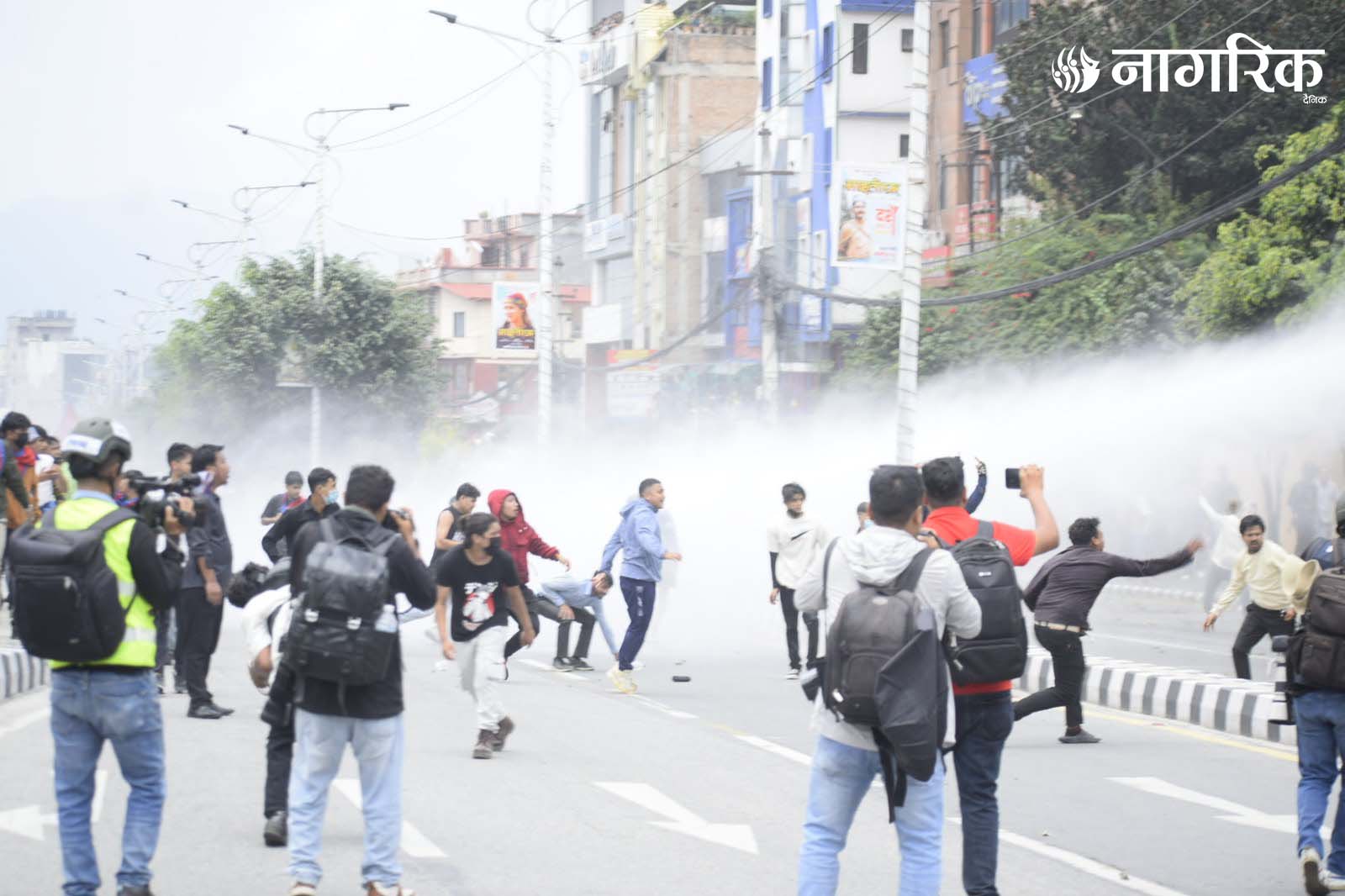
PHOTO: DEMOTIX.COM
We had to leave, and we headed for Butwal where I would be dropped off in order to take a bus to Pravas. My colleagues would be heading to Surkhet for further work regarding women vis-à-vis land rights.
Arriving in Pravas, I was initially greeted by a woman who lived at the bus stop. The Land Rights Activists soon arrived, and we went to their one-room office where district strategies are formulated. After this we walked to the home of one of the activists. For three days I was able to experience rural Nepal: what it is like to drink fresh buffalo milk daily, eat food cooked over a mud stove with wood fire, take a somewhat warm bath in an outhouse, sleep in a frigid room without glass on the windows, and enjoy the hospitality of the friendly people in this country. I even met a priest at the front yard of an activist who tried to sell us a stone.
On the second day of my visit, the two activists and I walked for about an hour past a football field, the Lumbini Medical College Teaching Hospital, and through some lush “jungle” to the site of the Kunsare VLRF. We were greeted by five men, and a map of the village was produced showing the location of all 70 families. Over the course of the 2.5 hour meeting, the group of people huddled on the porch of the venue grew to about 35, of which 20 were women. People came and left, but anyone could join in the conversation. Everyone listened attentively and spoke freely regarding the land issues of this particular village. There seemed to be quite a bit of sharing as to how to take issues forward.
Although my Nepali language skills are questionable, the feeling I had is that through the VLRF, people were being given a forum to voice their opinions, which were opportunities for them to become empowered and make consensual decisions. Many organizations speak of “empowerment” in their vision and mission statements, but in reality, sufficient opportunities may not be provided. Given that women do provide much of the agricultural effort in Nepal, it was very comforting to see so many women in attendance, not just listening but giving their opinions.
From what I’ve been able to garner through reading and talking to people in the land rights movement, there is a long road ahead and major changes need to occur at all levels of society. But I do marvel at how this movement seems to be “walking the talk” and not just paying lip service to those most impacted, who seem to be the ones truly driving things. Someday things may even get to the point of there being very few landless/tenant farmers and people truly feeling that they have alternatives, other than having to immigrate for their livelihoods or to take care of their families. Jay Jamin!
The author has been a VSO Nepal volunteer since June 2012, working as a partnership builder in the corporate and media sectors.
Michael.Rosenkrantz@vsoint.org
Related story
Heart to Heart with Malvika