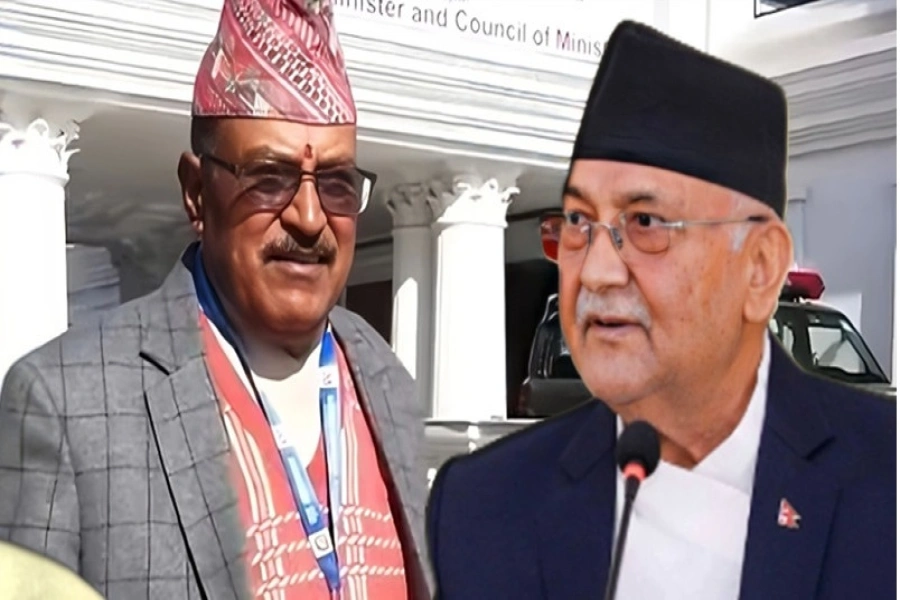
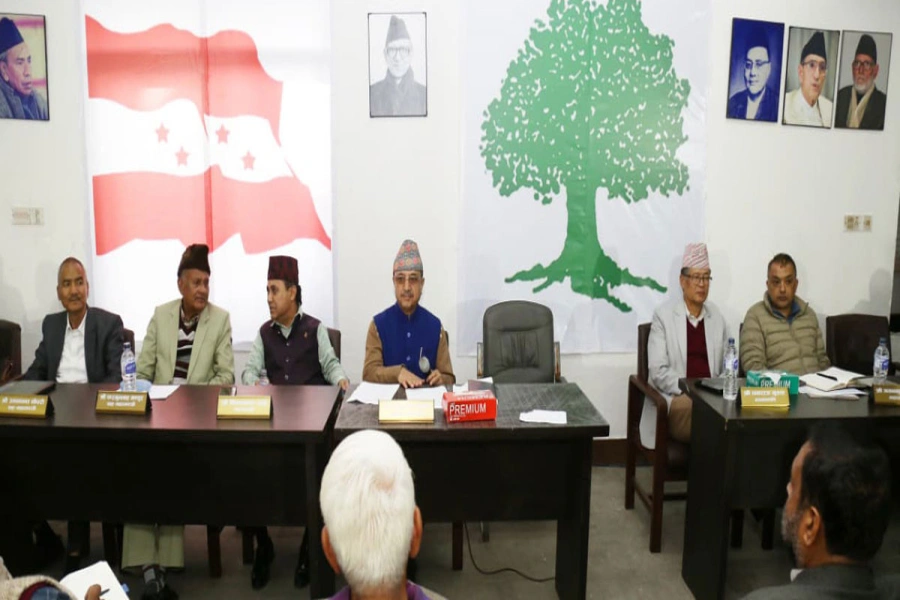
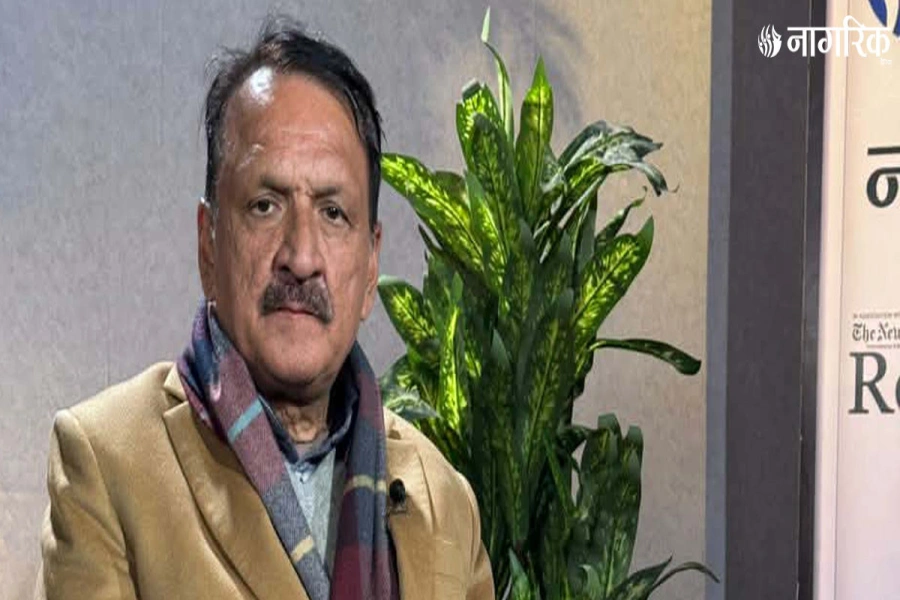
It was ironic that of all people KP Sharma Oli should have been portrayed as "pro-China" by the Chinese state-run Global Times after his election as prime minister. Not long ago Oli was counted among India's most trusted friends in Nepal, as the veteran UML leader had cultivated extensive ties with not just political leaders in India, but also with Indian bureaucrats and spies dealing with Nepal. Prime Minister Oli, it thus seems, is pro-China not out of conviction but of necessity. When he became prime minister on October 11th, anti-India sentiments in Nepal were at an all-time high. Oli, following on the rich tradition of Nepali politicians who are cravenly pro-India when in opposition but waste no time in denouncing the 'big brother' next door upon coming to power, also decided to ride the cresting anti-India wave. He spoke openly against Indian meddling in Nepal and talked up the prospects of closer ties with China, long a pet project of ultra-nationalists in Nepal.In the lead up to September 20th, China was clearly confident that the likes of Oli and Pushpa Kamal Dahal, its communist cousins across the border, would safeguard its interests in the new constitution. But the Chinese can hardly be faulted for courting Nepali leaders. India has been doing the same, on a much grander scale, and for far longer. All that the Chinese wanted this time was an assurance that federal provinces in Nepal would not be carved along strictly ethnic lines, which, it feared, could stoke similar demands in neighboring Tibet. But the Indians blew this natural Chinese interest out of proportion and used it as one of the pretexts to impose a crippling economic embargo on Nepal. Such a muscular Indian approach has, rather paradoxically, pushed Nepali political establishment closer to China. The patchy roads to China are now being upgraded; there is new impetus to extending the Lhasa-Shigatse rail link to Kathmandu; high-level visits, both to and from China, are being lined up.
If there can be a new oil agreement with China and the two countries agree to the extension of the Lhasa-Shigatse line during Prime Minister Oli's China trip (sometime in February), there is a distinct possibility of Chinese President Xi Jinping visiting Nepal soon to seal these deals. If President Xi does indeed come to Kathmandu, it would carry enormous symbolic value. A Chinese head of state has not visited Nepal after Jiang Zemin came in 1996. This will augur well for Nepal, particularly after Indian Prime Minister Narendra Modi's twin Nepal visits. Now that the Chinese have expressed their interest for a high-level Nepal visit, it is up to Nepal to create conducive environment for it. By 2050, China is projected to be the biggest economy in the world; and India, a close third. If Nepal can put its house in order, Nepal's stated desire to serve as a 'bridge' between these two global powers could also materialize. But political leaders like Oli should pursue greater engagement with the outside world, including with China, as a matter of national interest rather than only to gain popularity. If our own leaders weren't so vacillating in their convictions, perhaps they would also be taken more seriously by India. More than a pro-India or pro-China prime minister what we need instead is a pro-Nepal prime minister.
Related story
Healthy relationship needs strong foundation