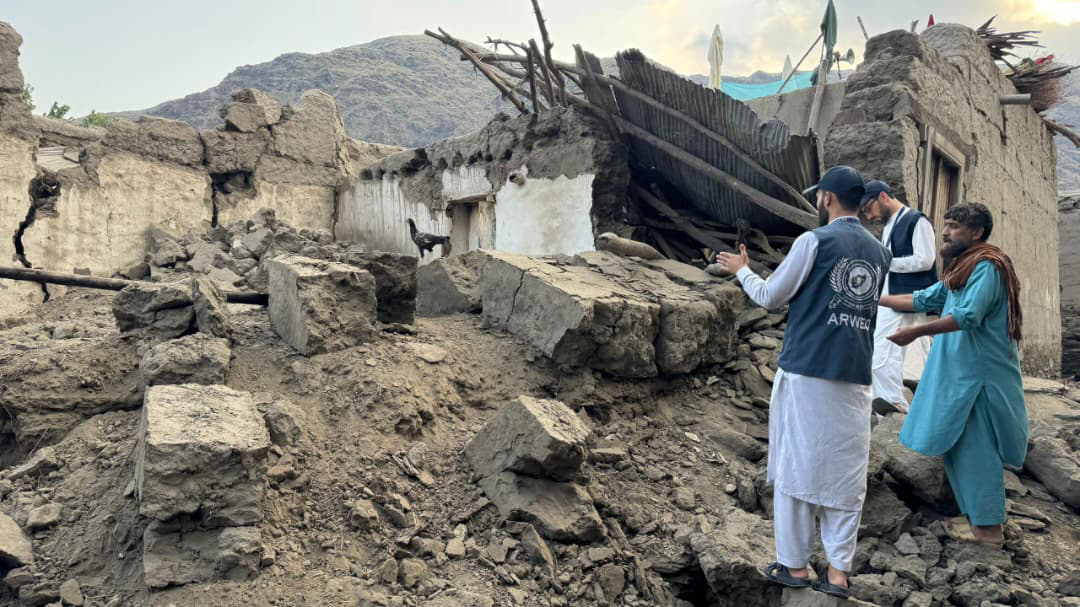
We went back to deep sleep only to be reminded of nature's fury the second time on April 25, 2015. Mahatma Gandhi, after visiting the affected areas in Bihar, wrote that Bihar earthquake is providential retribution for India's failure to eradicate untouchability. I would say April 25 earthquake is retribution for our failure to understand the potential destructive power of nature and our unpreparedness to deal with crisis and consequences thereof. Those who chose to ignore the warning deserve to be jolted.The earlier devastating earthquake of 1934 came when the Second World War had not yet started. Countries were separated by a vast distance and it was a disconnected world. Hardly were there any Nepalis settled overseas. Now the time is different. Nepalis in large number are either migrant workers or permanent residents in foreign countries and have become part of global citizenry. Nepalis living overseas reacted swiftly and mobilized Nepali communities to raise funds to deliver emergency supplies and sent volunteers on the ground for relief works.
As always Nepali politicians and bureaucrats were caught napping in the time of crisis. International community, particularly neighboring countries, wasted no time to offer help and dispatched their rescue team with full logistics and started relief operation as quickly as they could. Nepal government, only after realizing the gravity of the situation, established National Emergency Operation and "Operation Sankat Mochan" was set in motion under Nepal Army. This time, social media played a vital role in rescue and relief operation by timely posting information about urgency and location of affected areas.
The earthquake destroyed many historical landmarks. Our national identity is associated with ancient palaces, temples, statues, history, myths and rituals. They are the silent witnesses of our past and present. We will never be able to restore them, not at least in their original form.
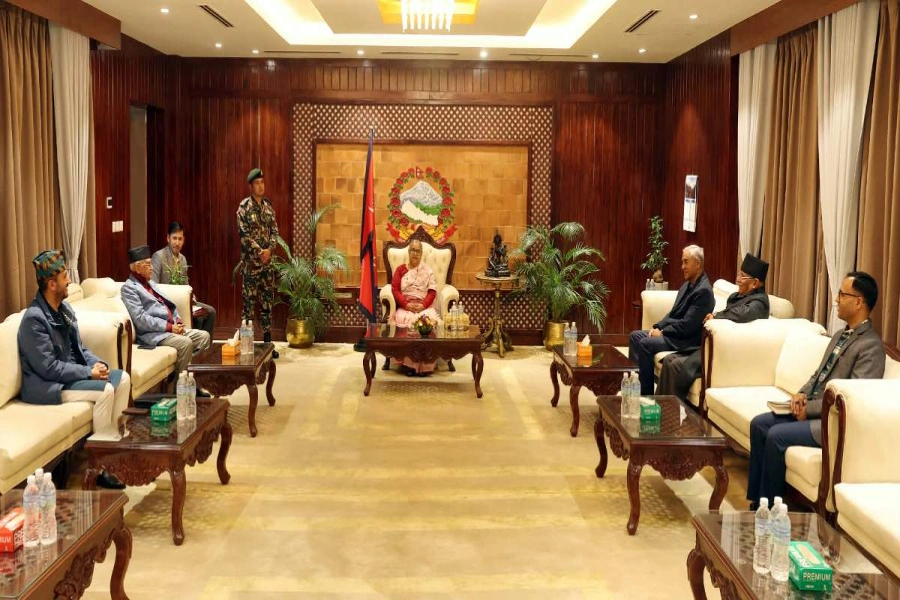
At this tragic time the country needed a strong leadership to share people's sorrow and pain, to heal their wounds, to inspire them and to provide hope for better future. Hope brings motivation to live and reconcile with fate and start looking for the future. None of it was forthcoming.
Nepalis have shown patriotism during this crisis. Quite a number of slogans and patriotic songs reflecting our historical past can be seen posted in social media promising to make this country great again. We are proud of our history, traditions, culture and heritage. These are intrinsic characters of our nation, they bind us together. Pride motivates people to move forward and contributes to our survival as a community.
We are always nostalgic about our history because we have nothing to be proud of our present. Reality is that the country is in a shambles. It scares us and we try to run away from it but it follows us like a shadow and we take refuge in our history. But merely by singing songs of our historical achievements alone will not change the reality. There is no proper infrastructure of road networks, no running water and sewerage in the country, health services are just nominal or non-existent and educational institutions are there only in name. We have now realized how primitive our infrastructures are. International rescue teams arrived with all the necessary equipments for the rescue operation including their own power generator to use modern tools only to be stranded by impassable roads.
We always look for the "short cut" to success. Country is made through hard work and generational sacrifice, not by exhibiting hubris. Our narcissism about the past has prevented us to critically analyze our national character. There is no intrinsic motivation for creativity and nation building. Almost a decade has passed and our elected representatives are not able to agree on suitable constitution for the country.
However, it is not a time to despair. Every cloud has a silver lining. May this natural disaster change the dynamics of Nepali politics and our mindset and steer the country to a new direction. Let us hope a new era of nation building will begin with proper planning and enforcement of appropriate building codes. New townships that emerge out of the debris will have infrastructure of international standard where communities can be reached on time when required.
Otherwise, this moment will also pass. Weeping soul will reconcile with the fatality of life. Politicians and bureaucrats will try to forget the disaster. The country will come to normalcy with business as usual mode. Party politics will take a front stage to control the infrastructure fund. People will keep waiting for promised help that will never arrive. At the end people will be forced to live as they have been living for centuries. Nothing will change unless we change ourselves.
The author is an Engineer Planner
harshaji@gmail.com
Related story
Separate State Administration Bill to be introduced