Nepal is the poorest country in South Asia and ranks as the twelfth poorest country in the world. However, the country has made considerable progress in reducing poverty over the last 15 years as the poverty rate declined from 42 percent in financial year 1995-96 to 21 percent in FY 2010-11. The major factors behind this poverty reduction are inward remittance, followed by increase in agricultural farm wages, increase in urbanization and the decline in fertility, thus reducing the household size.
As much as 21 percent of the total population consisting of around 12, 00,000 families still lives below the poverty line (BPL). These people suffer from malnutrition, illiteracy and unemployment. In fact, the root cause of civic disorder and slow economic development of the country has been poverty.
Without alleviating it, peace, stability and economic development cannot be attained. But a sincere effort for alleviating poverty has not been made till date.
Without any further delay, the Nepal government should identify BPL families, irrespective of sex, caste, religion, region and political ideology through the VDC secretary and an all-party body. After identifying them, the policy of ‘one family, one job’ should be adopted. If the government is unable to provide employment to all such families within the country, it should explore the possibility of reliable jobs abroad through diplomatic missions. Since the visa fee and initial air tickets are usually provided by the employer, the cost of sending such workers abroad is estimated to be around Rs 10,000 per worker, which includes skill and orientation training fees, insurance premium, contribution to foreign workers’ welfare fund, work permit charge and airport tax.
With a view to alleviating poverty and strengthening the national economy by increasing remittances, orientation and skill training should be imparted as per the requirements of the international job market and loans should be provided to the migrants at subsidized rates. Those who get such an opportunity, incurring a nominal cost, can then provide for their dependents and help them procure proper food, clothing, shelter, education and health facilities.
Consequently, maintaining peace and stability and ushering in economic development in the country would become much easier for the government.

Needless to say, foreign employment is not an appropriate and long-term solution to the unemployment problem of the country. Therefore, the government needs to focus on the development of the agricultural, industrial and tourism sectors and ensure proper utilization of water and human resources. The funds required for the development and utilization of internal resources can be obtained from migrant workers by launching projects under private-public partnerships and framing an attractive investment policy.
While framing such a policy, the safety of investment, reasonable return on investment, employment opportunity to the investors or their dependents and priority over other applicants in share allotment must be ensured. Unless our population abroad and remittance ratio is increased considerably and such remittance is diverted towards productive investment, the expected fruits of foreign employment cannot be reaped.
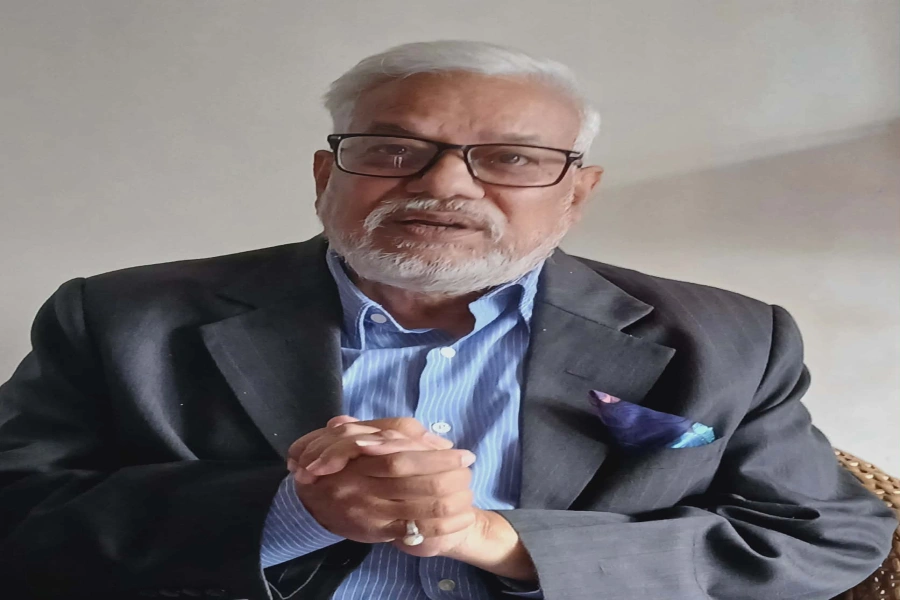
The author is former ambassador to Qatar.
Related story
PM Oli's health improving significantly, doctors find his confi...