KATHMANDU, May 5: The government has amended the Public Procurement Act 2007 in an effort to accelerate development spending and improve project quality. With the issuance of the Public Procurement (Second Amendment) Ordinance, 2026 by President Ram Chandra Paudel, a two-decade-old law—long regarded as a major obstacle to infrastructure development—has been overhauled. In total, 20 acts have been revised through this ordinance.
One of the most significant changes is the introduction of mandatory pre-procurement preparation. Under this rule, no public body can initiate procurement without first securing financial resources and budget allocation. For multi-year contracts, procurement will only move forward once the first year’s budget and funding sources for subsequent years are confirmed. The ordinance also shortens the deadline for sealed quotations in low-value procurement from 15 days to seven, aiming to speed up smaller projects.
SC makes publication of public procurement tender notices in ne...

The amendment further requires that tender calls be issued only after project sites are cleared, compensation and damages distributed, trees or structures removed, and environmental study reports approved. Officials who fail to implement decisions of the Procurement Review Committee will face departmental action. In addition, the law now defines domestic goods as those with at least 30 percent value addition in Nepal and introduces performance-based contracting for project awards.
To make procurement more competitive, the ordinance introduces a reverse auction system. This allows bidders to lower their prices in real time through an online platform, with contracts awarded to the lowest bid within the specified timeframe. However, bids that fall 30 percent below cost estimates will be flagged as abnormal. In such cases, bidders must provide technical and financial justification, and if the explanation is unsatisfactory, the evaluation committee has the authority to cancel the bid.
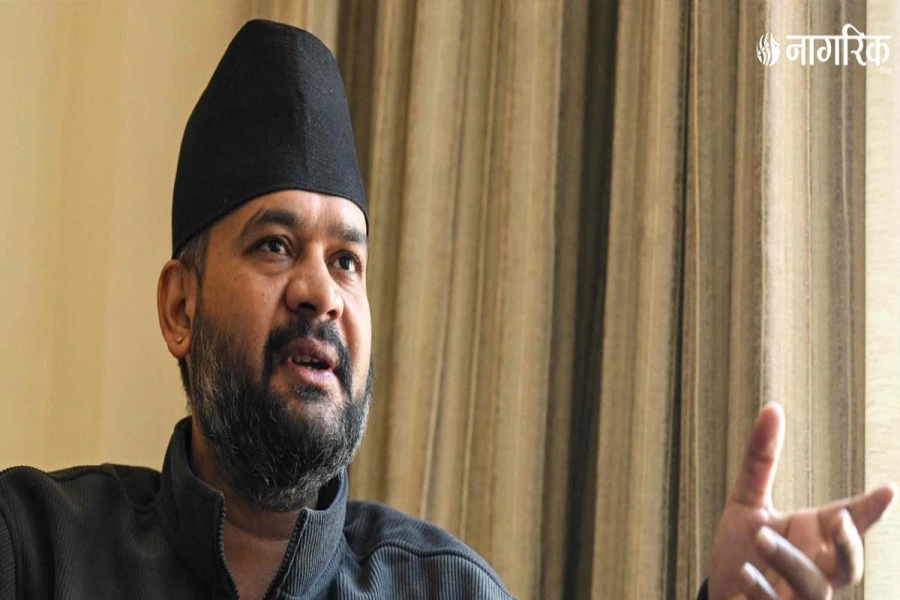
Despite these reforms, construction entrepreneurs have raised concerns. Ravi Singh, former president of the Federation of Contractors' Associations of Nepal, criticized the strict penalty provisions and the absence of price adjustment mechanisms. He argued that contractors could face heavy financial burdens if market prices rise unexpectedly. Singh also expressed dissatisfaction that the government did not consult stakeholders before revising the rules.

-1200x560-1783685616.webp)