

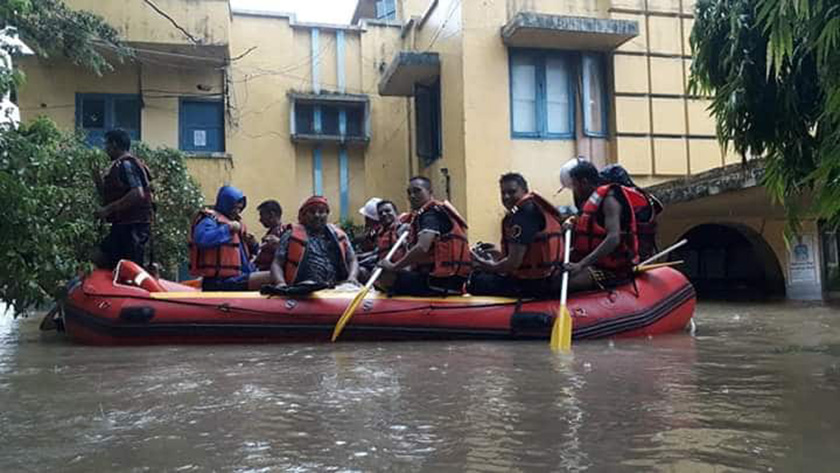
The monsoon season is fast approaching in Nepal, bringing with it the annual threat of floods and landslides. As in previous years, it is not only rural dirt roads that are likely to be affected; major highways are also expected to face serious disruptions. The Department of Roads has already identified more than four dozen locations along key highways as highly vulnerable during the rainy season. Road blockages, particularly on the Narayangadh–Muglin Highway—the country's vital transport artery—have repeatedly made daily life difficult for citizens. Travel disruptions and safety risks have become an almost routine feature of the monsoon. For poor and low-income families, the monsoon is more than a seasonal challenge; it is a recurring source of fear and uncertainty. Already struggling with economic hardship, these communities are often the worst affected by floods and landslides. The marginalised and economically disadvantaged bear the greatest burden of natural disasters and account for a disproportionate share of casualties. This year, warning signs have emerged even before the monsoon has officially begun. Recent rainfall in the eastern hills has damaged roads, washed away bridges and culverts, and disrupted normal life.
'Cycle Culture in Painting' workshop organized to promote cycle...

Poorly planned and haphazard infrastructure development has not only delivered convenience but has also heightened disaster risks. Delays in completing road projects leave slopes exposed and vulnerable to landslides during heavy rainfall. Across the country, damaged bridges, broken culverts and deteriorating road sections are common sights. In several locations, unstable retaining structures appear on the verge of collapse. Trees and vegetation trapped in landslide debris threaten to block roads and footpaths, while settlements along hillsides and riverbanks live under constant threat. Landslides have buried crops, and river erosion has swallowed valuable farmland. Sadly, many Nepalis are unlikely to escape the familiar cycle of flooding and erosion this year. While rainfall is essential for agriculture, it also brings renewed anxiety about the destruction it may leave behind. Natural disasters cannot always be prevented. Nepal may not possess the capacity to eliminate such risks entirely, but it can strengthen its ability to mitigate their impact and respond more effectively when disasters occur. Preparedness and precautionary measures can significantly reduce both human and economic losses. Achieving this requires vigilance not only from the government but also from citizens themselves. The government's responsibility extends far beyond compiling damage statistics and announcing relief packages after disasters strike. It must prioritise preventive action and strengthen preparedness efforts well in advance. Equally important is recognising and addressing the broader social and economic consequences that disasters impose on affected communities.
Public awareness and community participation are essential. Local clubs, mothers' groups, neighbourhood committees and community organisations all have a role to play in reducing disaster risks. While local governments are legally mandated to lead disaster preparedness and response efforts, citizens also share responsibility for protecting their communities. Local residents are often best placed to identify vulnerable areas, understand flood and landslide patterns, and recognise settlements at risk. The more proactive local governments and communities become, the greater their ability to minimise monsoon-related losses. According to the National Monsoon Preparedness and Response Action Plan, approximately 226,661 people from 51,868 households could be affected by this year's monsoon. This is a substantial number. Although the National Disaster Risk Reduction and Management Authority has stated that preparations are underway, security agencies continue to report shortages of rescue vehicles and critical search-and-rescue equipment. The lesson is clear: preparation must come before disaster, not after it. Vulnerable settlements, highways, bridges and other critical infrastructure should be identified in advance, and preventive measures should be implemented without delay. Only through timely preparedness can Nepal move beyond the familiar cycle of counting losses and instead protect lives, livelihoods and communities from the devastating impacts of monsoon-induced disasters.





