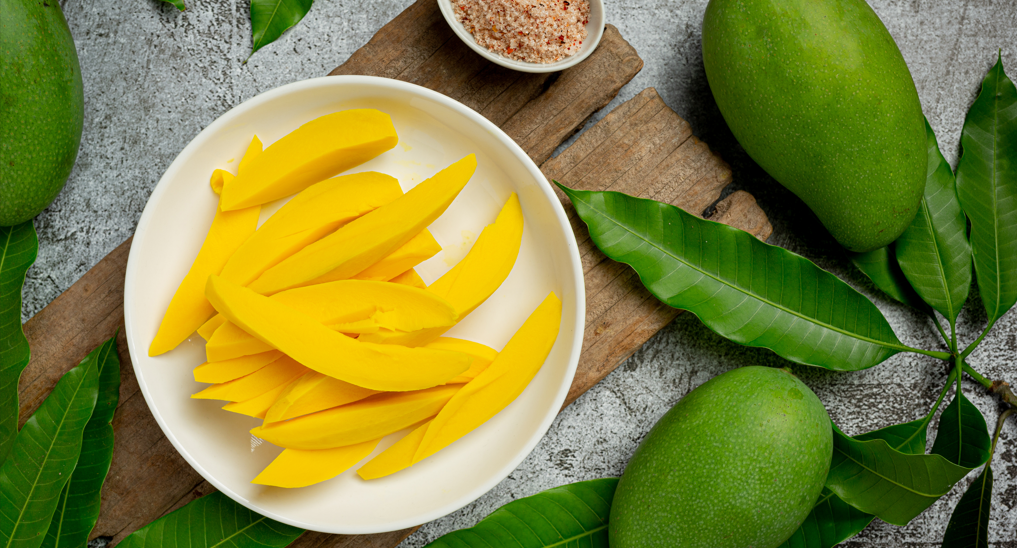
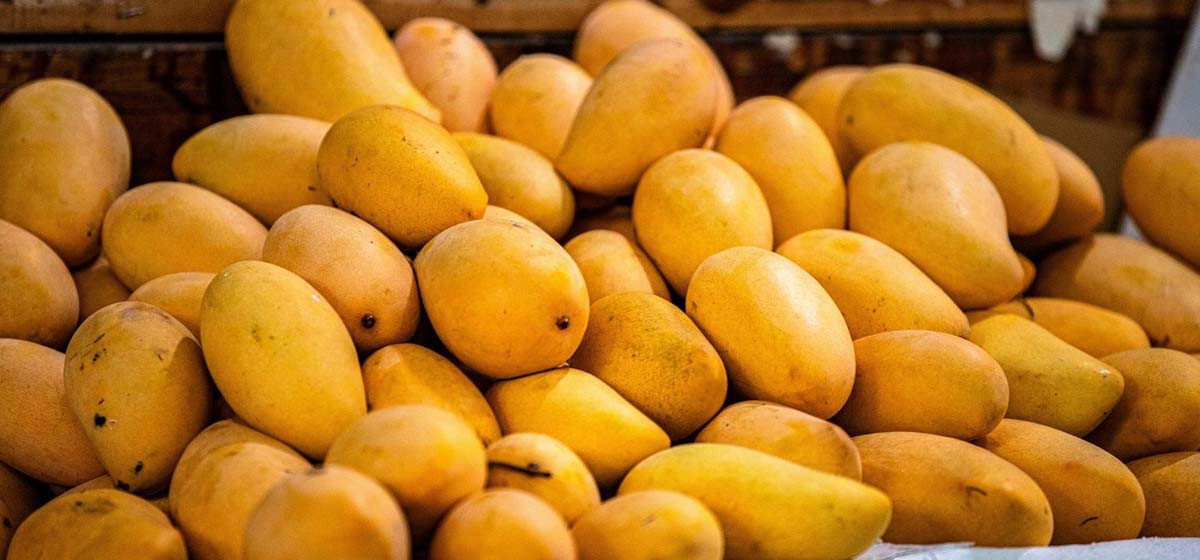
KATHMANDU, June 13: As summer settles over Nepal’s southern plains, mangoes—the season’s most anticipated fruit—are once again ripening their way into markets across the country. From roadside stalls in the Tarai to fruit shops in the Kathmandu Valley, both domestic and imported mangoes are beginning to fill baskets, signalling the height of the fruit season.
But alongside the familiar sweetness of the “king of fruits,” an unfamiliar sourness has also spread this year—this time in the form of rumours.
In recent days, claims have circulated widely on social media suggesting that Nepal has imposed a complete ban on Indian mango imports, triggering confusion among consumers and traders alike. The narrative has travelled fast—from Facebook posts and TikTok videos to sections of the media across the border—fuelled by allegations of pesticide risks and border restrictions.
A section of Indian media outlets have also reported that Nepal has halted mango imports entirely, with headlines linking the alleged move to diplomatic implications and even suggesting parallels with restrictions imposed by other countries. But officials in Kathmandu say the story being told online does not match the reality on the ground.
The government has clarified that Nepal has not imposed any ban on Indian mango imports. Instead, authorities say the country has only tightened phytosanitary and biosecurity requirements in line with international standards to protect domestic agriculture from harmful pests and diseases.
The clarification comes at a time when mango shipments from India—traditionally the dominant supplier in early summer—have already begun entering Nepali markets, though in noticeably smaller volumes compared to previous years.
No ban, only stricter biosecurity rules
Mango production in Saptari expected to double this year

The Plant Quarantine and Pesticide Management Centre (PQPMC) under the Ministry of Agriculture, Livestock Development and Environment says reports of a blanket ban are “entirely false and misleading.”
Officials say mango imports remain permitted under Nepal’s Plant Protection Act, 2064 BS, but must now comply with stricter quarantine conditions, including pest-free certification and mandatory hot water treatment at 48 degrees Celsius for one hour.
“As the national plant protection organization of Nepal, this Centre regularly conducts pest risk analysis in line with the Plant Protection and Quarantine Act, 2064 BS, and adopts plant health and biosecurity measures to prevent the entry of harmful pests based on risk assessments,” the PQPMC said in a notice on Wednesday.
The PQPMC further clarified that only standard international practice-based phytosanitary measures have been adopted in the case of mangoes imported from India. These measures include the requirement of pest-free status for certain pests and mandatory hot water treatment at 48 degrees Celsius for one hour.
“This Centre has not imposed any ban on the import of Indian mangoes. Import permits are being issued as per demand, and clearance for import into Nepal is being provided based on phytosanitary certificates issued by India’s national plant protection organization, in accordance with the established procedures,” the notice read.
According to officials, import permits are still being issued, and consignments are cleared at the border only after meeting phytosanitary requirements certified by India’s plant protection authorities.
Why the rules were tightened
Authorities say the revised measures were introduced after gaps were identified in phytosanitary certificates accompanying mango consignments from India, particularly regarding declarations of pest-free status and completion of required treatment.
Nepal has identified several potentially damaging pests and diseases—including fruit flies such as Bactrocera species, mango soft scale, and fungal pathogens like Colletotrichum and Lasiodiplodia species—that could pose serious risks to domestic production if introduced.
Officials emphasise that quarantine measures are separate from food safety testing. While quarantine authorities manage biosecurity risks at the border, food quality and pesticide residue testing fall under a different regulatory body.
Imports fall sharply amid compliance challenges
Although imports have not been stopped, traders report a sharp decline in shipments this season due to difficulties in meeting the new requirement for hot water treatment.
Officials say the lack of a widespread certification system for such treatment in India has created logistical challenges for exporters.
“We are not stopping mangoes that comply with the rules,” one official said. “But because the system is not fully in place on the other side, imports have dropped significantly—from around 4,000 tonnes to about 400 tonnes.”
In previous years, large volumes of inexpensive Indian mangoes would flood Nepali markets at the start of the season, boosting supply but often undercutting local farmers.
This year, however, authorities say the shift reflects a transition toward stricter biosecurity enforcement rather than a trade restriction.
Currently, Indian mangoes continue to arrive in Nepal—but under tighter inspection rules that are reshaping the dynamics of the summer fruit trade rather than stopping it altogether.
See below the Plant Quarantine and Pesticide Management Centre (PQPMC) clarification on the Indian mango import issue in Nepal.