When social media first emerged, it was little more than a platform for friends to exchange information. Today, it has become more powerful than television and radio, enabling individuals with millions of followers to wield immense influence. These individuals are now widely known as “influencers,” and many have also built a reputation as “content creators” by sharing their own material. Businesses and professionals increasingly rely on such figures to promote their work. Social media has grown beyond being a space for information and entertainment; it has also become a source of income and livelihood. However, the rapid expansion of social media has brought challenges. Although the constitution guarantees freedom of expression, misuse of these platforms has led to social harm. While responsible use brings benefits, irresponsible use has inflicted serious distress on individuals and communities.
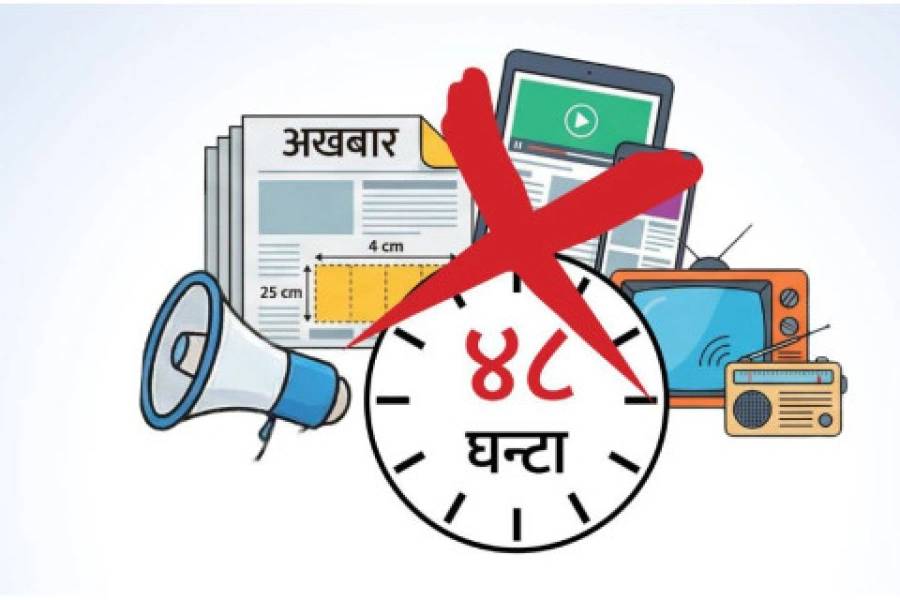
National Broadcasting (11th Amendment) Regulation, 2021 looks s...

Unlike traditional media, which is subject to regular monitoring and fact-checking, social media can be run by anyone—individuals or institutions—making misuse more likely. Thus, a balance must be struck between protecting freedom of expression and safeguarding citizens from harm. In a recent ruling, the Supreme Court stated that social media should only be allowed to operate after proper registration. The Court instructed the government to initiate processes to regulate social media, online platforms, and the management of court information. A bench comprising the then Chief Justice Bishwambhar Prasad Shrestha and eight other justices also directed that standards be set for disseminating court-related information, recognising the risks posed by unchecked content. The judiciary has long supported the right to information. This latest directive reflects concern over the damage caused by false and misleading content, which has undermined public trust and sometimes obstructed governance. While a free press and open expression are vital to democracy, the deliberate spread of disinformation for populist politics threatens both.
The global nature of social media makes regulation difficult, as most platforms are owned by large international companies not registered in individual countries. Registering such companies locally would not only ease regulation but also bring revenue into national coffers. TikTok’s example—removing harmful content and complying with government orders—demonstrates that regulation is possible. At the same time, social media should not be fully controlled. Over-regulation could unjustly curtail citizens’ rights. But without safeguards, the dangers are mounting. The rise of deepfakes, enabled by artificial intelligence, has shown how convincingly false voices, images and videos can ruin lives and mislead the public. The challenge now is to regulate social media in a way that protects freedom of expression while preventing harm. Shutting it down is not the answer; striking a fair balance is.

-1200x560-1772467693.webp)