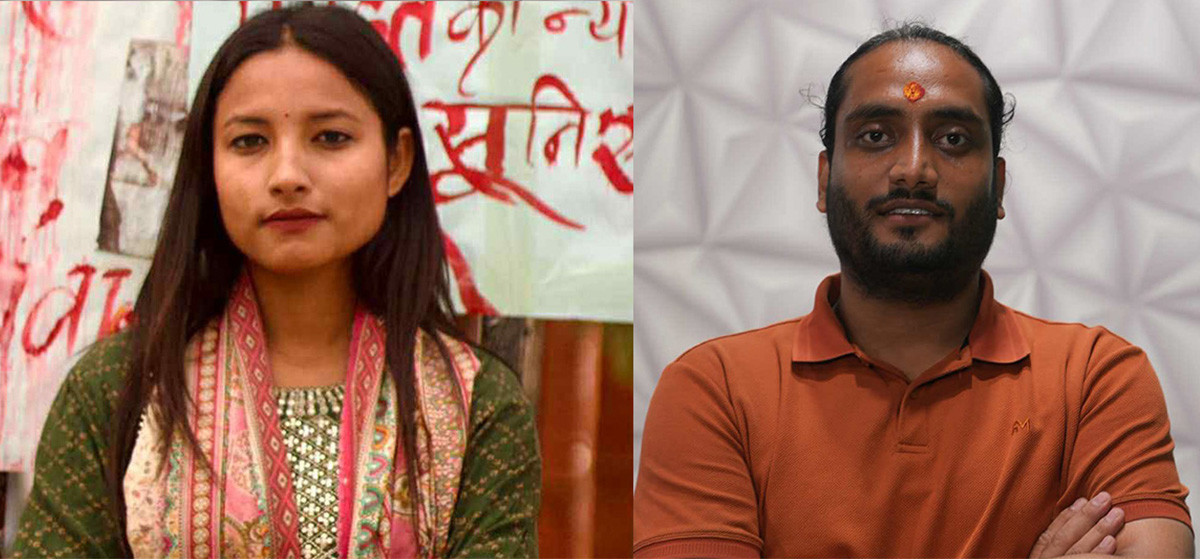
Recent reports from Bhutan have raised concern over the arrest and sentencing of Raghu Pati Subedi, also known as Rangu Pati Suberi. According to several independent sources, Mr. Subedi, a Bhutanese citizen and popular social media commentator, has been sentenced to 24 years in prison for posting online comments critical of government policies and expressing opinions about the Gelephu Mindfulness City Project.
Some local reports suggest that Mr. Subedi had unpaid debts from a business failure in 2017, but such issues would not normally result in such a harsh punishment. People close to the case say that the real reason behind his sentence is his criticism of the government and its projects.

A Voice That Spoke Up
Mr. Subedi, 40 years old, comes from Lhayuel village in Gelephu District. He graduated from Sherubtse College in 2012 with a degree in Life Sciences. He is known as a youth advocate, vlogger, and former National Council candidate. His social media posts often focused on rural life, equality, and development issues.
Bhutan Watch exposes deepening Human Rights crisis in Bhutan in...

He was reportedly arrested in early 2025. What makes the situation worse is that there is no public record of his trial or sentencing. Until now, Bhutanese authorities have not made any official statement, and no national media outlet has reported on his case.
This silence has created what many describe as an information blackout, leaving citizens and observers deeply worried about the state of free speech and transparency in Bhutan.
What the Case Shows
If these reports are true, the case raises serious questions. Punishing someone for peaceful online comments violates Bhutan’s constitution and international commitments to free expression. The lack of clear information about his arrest and sentencing raises doubts about fairness and justice. A 24-year sentence for expressing opinions online is extremely harsh and difficult to justify. The absence of media reporting also highlights a worrying lack of press freedom.
Why It Matters
Bhutan is often praised for its gradual move toward democracy. But democracy is more than holding elections—it requires open discussion, transparency, and the ability to question those in power. When people are punished for speaking their mind and important cases are kept from the public, it weakens the foundation of democracy.
If citizens fear speaking out and journalists fear reporting, even well-intentioned reforms lose their meaning. The case of Mr. Subedi, if confirmed, is not only about one person—it is about the right of every Bhutanese citizen to express opinions without fear.
A Call for Answers
The Royal Government of Bhutan should make the facts of Mr. Subedi’s arrest and sentence public. He should be provided proper legal assistance and the chance to appeal.
At the same time, Bhutan’s independent media should not remain silent. Journalists have a duty to report the truth, even when it is difficult. Honest reporting strengthens both the government and the country.
A Test for Bhutan’s Democracy
If it is true that Mr. Raghu Pati Subedi was jailed for his social media posts, it is a troubling sign for Bhutan’s democracy. The government and media must demonstrate that they value justice and openness. These are not threats to stability—they are the foundations that keep a democracy strong.
The international community and human rights groups should pay attention and work with Bhutan to ensure that basic rights are protected and that no one is punished simply for speaking their mind.
The author is a Bhutanese Human Rights Activist and the Coordinator of the Global Campaign for the Release of Political Prisoners in Bhutan (GCRPPB), the Hague, the Netherlands.