

It is often said that you become what you eat. If you eat good food, your body develops accordingly; if you eat bad food, the risk of illness increases. In today’s busy lifestyle, eating at hotels and restaurants has become almost unavoidable. Likewise, when it comes to food items, people are largely dependent on others. Food is directly linked to human life, and poor-quality food has an immediate and lasting impact on health. A large portion of an individual’s income is spent on food. From this perspective, ensuring cleanliness and quality in food grains, beverages, as well as in hotels, restaurants and other food outlets is essential. No one should be compelled to consume substandard products. However, in our context, there is a serious lack of quality control in hotels, restaurants, grocery stores and meat shops. Consumers often fail to receive quality food despite paying high prices. Numerous cases of unhygienic hotel food have come to light. Even food-producing companies and processing centres have not given adequate attention to quality. Such problems have been observed in some government institutions as well, making the issue even more alarming. Being constantly worried about one’s health while consuming food is not a healthy sign for any society. As people have become increasingly dependent on the market, the adverse effects of poor-quality food have grown in equal measure—underscoring the need for stronger and more consistent market inspections.
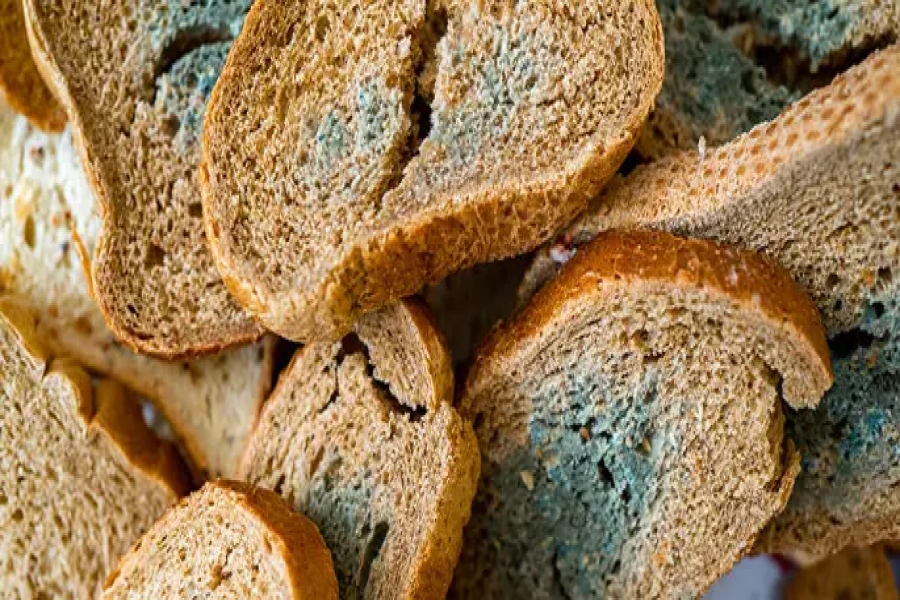
Eating junk food is bad for health!

Officials of the Department of Food Technology and Quality Control do conduct market inspections from time to time, but the major concern is that such monitoring is not regular or systematic. In the absence of a strong inspection mechanism, checks are often limited to festival seasons or carried out at the discretion of certain officials. Almost every inspection reveals some form of irregularity. This recurring pattern clearly indicates the widespread availability of substandard food in the market. Cleanliness is considered a fundamental value, and food must be kept hygienic, safe and of acceptable quality. Inspections have frequently found hotels and restaurants lacking proper sanitation, serving stale food, keeping prepared items uncovered, and selling products that do not meet the prescribed weight. Providing underweight goods to consumers amounts to fraud. Despite such malpractice, many individuals continue to profit, largely due to weak and irregular enforcement. Recently, inspections carried out by departmental teams at hotels, restaurants and meat shops in Kathmandu revealed an alarming state of food quality. Neglecting food quality and public health amounts to serious negligence. Businesses dealing with food must operate with public health as their foremost priority. Failing to ensure that products sold in exchange for money meet basic quality standards reflects a lack of professionalism and ethical responsibility. While profit appears to be the primary focus for many, the obligation to sell safe and quality food to the public is often ignored—highlighting the urgent need for stricter and more frequent inspections.
The Food Hygiene and Quality Act, 2081 BS, has clearly defined standards for food items and includes provisions for punishment if substandard or contaminated food is found during inspections. Penalties are also prescribed for those involved in the sale and distribution of such products. The consumption of unsafe food can even lead to loss of life. Under the law, cases of substandard food are referred to the Chief District Officer for hearing, while contaminated food cases can be presented directly to the district court. Hotel and restaurant operators found selling contaminated food may face imprisonment. Those who endanger public health by supplying rotten or spoiled food must be punished. In many countries, food-related businesses operate under strict legal and inspection regimes. Nepal, too, must treat this issue with equal seriousness rather than as a routine formality. Food-related businesses must be brought under continuous and strict supervision, supported by adequate government infrastructure. Regular and effective testing of food quality in the market is essential to curb arbitrary and unsafe practices. If inspections are limited to festivals or influenced by individual preferences, the objectives envisioned by the law will never be achieved. The health condition of individuals involved in food handling should also be regularly monitored, as poor health among handlers can directly affect food safety. Every citizen has the right to safe, hygienic and quality food. To protect this right, the state must play an active and responsible role, ensuring that market inspections are strengthened and consumer welfare is genuinely upheld.





