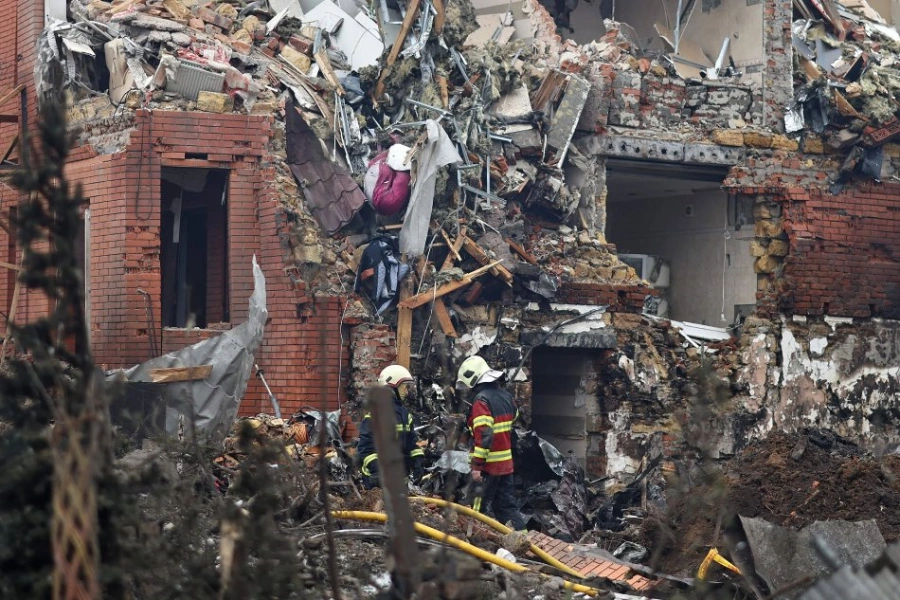
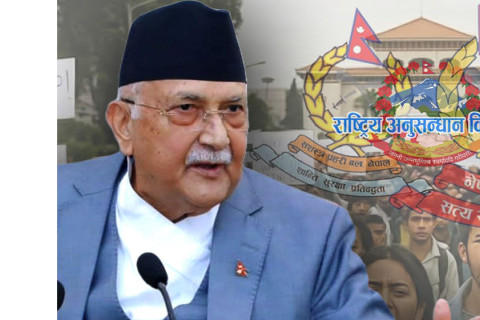
The recent uprising spearheaded by Nepal’s Gen Z youth marks a watershed moment in the nation’s democratic trajectory. In challenging deeply entrenched patterns of political corruption and systemic dysfunction, this generation has ignited a renewed sense of optimism and possibility for a more accountable and equitable future. The sacrifices endured—tragic loss of lives, widespread destruction of property, and disruption to social order—are undeniably painful. Yet, the transformative momentum unleashed is monumental in both scope and consequence.
What has become increasingly evident is that policymakers cannot afford complacency. Should they fail to recognize the urgency of this generational demand—should they neglect the imperative of channeling its energy into meaningful reforms, dismiss the voices of the youth and the common people, or retreat into defensive retrenchment—they would be engaging in a reckless gamble with nothing less than the future of the nation itself.
A Generational Reckoning, not a Sudden Eruption
Although the dramatic turn of events unfolded within a mere span of two days, culminating in the fall of a government once deemed politically invincible, the resistance mounted by Gen Z was not an impulsive eruption. Rather, it was the inevitable culmination of accumulated frustration: prolonged political repression, institutional paralysis, endemic corruption, and an all-pervading sense of suffocation among young people increasingly disillusioned with hegemonistic governance structures.
Placed in a broader historical context, this uprising can be seen as part of Nepal’s long trajectory of political change—from the overthrow of the monarchy, to the Maoist insurgency, to the struggles of federal democratic consolidation. Each transformation promised renewal, yet systemic dysfunction persisted. The Gen Z uprising thus represents less an isolated upheaval than a generational reckoning: a decisive moment of awakening that offers profound lessons not only for politicians, but also for bureaucratic elites, security institutions, civil society organizations, religious bodies, and the broader moral custodians of Nepalese society.
The reverberations of this uprising will not remain confined to Nepal’s domestic landscape. They will ripple across generations and beyond national borders, reshaping the contours of governance, accountability, and citizen–state relations. In a geopolitical environment marked by intensifying rivalry among major powers, Nepal’s internal political orientation assumes both regional and global significance. Situated at the strategic crossroads of South Asia, Nepal has long been vulnerable to external pressures and proxy influences.
For this reason, it is imperative to safeguard the Gen Z movement from being co-opted as an instrument of geopolitical maneuvering. It must instead be nurtured as an authentic force for renewal, rooted in the aspirations of Nepal’s citizens and anchored in constitutional values of sovereignty, democracy, and inclusivity.
Security Institutions in Crisis Management
The role played by the Nepali Army during the crisis was pivotal in restoring a sense of public security and enabling the political process to return to the constitutional track. At a time when key internal security institutions appeared weakened and overwhelmed, the Army’s disciplined presence provided much-needed reassurance. Equally noteworthy was the manner in which it managed to transition security responsibilities back to legitimate civilian authorities, while offering a stabilizing backstop. This exemplary conduct should serve as an enduring case study in civil–military relations and crisis management.
At the same time, legitimate concerns have been raised about the Army’s apparent restraint when state symbols of sovereignty and authority were vandalized by agitating crowds. Yet the principles guiding this restraint—prioritization of human life over material property—deserve recognition. By avoiding escalatory responses that could have resulted in greater bloodshed, the Army demonstrated adherence to a fundamental ethical norm of security operations: no symbol of state power, however significant, outweighs the sanctity of human life. In an environment clouded by rumor and conspiracy theories, it is essential to state clearly that restraint was not a lapse, but a deliberate professional choice that prevented an already volatile situation from escalating into a wider tragedy.
Internal Security Dimensions of the Gen Z Uprising
1. Police Morale and institutional fragility
The Gen Z uprising laid bare the fragile state of police morale in Nepal. Within hours, the Nepal Police and Armed Police Force faltered in their attempt to prevent youths from advancing toward the Parliament building. In a desperate bid to hold the line, police resorted to live fire, resulting in the deaths of 19 protesters and hundreds injured. The death toll till today stands 75. The operational practices adopted on that day revealed sequential flaws in command, coordination, and tactical response. While a commission of inquiry has been established, it remains to be seen whether it will go beyond surface-level assessments to examine the deeper structural and proximate causes of states failure to safeguard constitutional rights.
The following day marked one of the darkest chapters in the institution’s history. Enraged crowds overran police units, ransacked stations, stripped officers of their uniforms, paraded them in public humiliation, and beat several police to death. Despite these traumatic events, the police have returned to duty—undeniably demoralized, traumatized, and bewildered. The outpouring of community support in the aftermath demonstrates even amid destruction and humiliation, the police retain a reservoir of legitimacy.
Nepal’s Media Reckoning

This paradox—simultaneous resentment and reliance—underscores both the challenge and the opportunity before Nepal Police. Despite widespread criticism of past performance, citizens continue to regard the police as a core custodian of the social contract and expect its visible presence in daily community life. If the institution can seize this moment to rebuild trust through professionalism, transparency, and sustained civic engagement, it may emerge stronger, reconstituted as a truly public-oriented service. Failure to do so, however, risks accelerating alienation and entrenching cycles of mistrust.
The roots of weak morale run deep. Since its inception, Nepal Police has been shaped less by democratic imperatives than by entrenched political interference, bureaucratic neglect, and rigid institutional structures. Leadership appointments have too often reflected partisan interests rather than merit, undermining professionalism and esprit de corps. Recurrent political impositions on functional and operational command, combined with chronic resource constraints, have further exacerbated frustration and hampered effective policing—especially in high-pressure, volatile environments.
Addressing these challenges requires more than material upgrades. It demands a conscious effort to humanize policing. This entails aligning practices with democratic norms of accountability and proportionality, while simultaneously investing in the well-being of personnel. Health care, welfare, fair working conditions, and robust psychological support are not optional add-ons but prerequisites for sustaining morale in a profession defined by danger and stress. A demoralized and alienated police force is not merely ineffective; it represents a direct security risk, eroding state authority and weakening the very fabric of public trust on which internal stability rests.
2. Erosion of Public Trust in Security Institutions
The uprising starkly revealed a widening trust deficit between citizens and Nepal’s internal security institutions. The state’s inability to safeguard constitutionally permitted peaceful demonstrations, coupled with allegations of unnecessary and disproportionate force, mismanagement of crowds, and the failure to distinguish between peaceful demonstrators and infiltrators, deepened widespread perceptions of injustice. For many citizens, particularly young people, these failures reaffirmed the belief that security institutions operate less as protectors of public safety and more as instruments of control.
This crisis of confidence is not new. It is the culmination of decades of politicization and patronage-driven leadership appointments that have eroded professionalism and accountability. Everyday policing practices which can be termed not less than “predatory policing” have further compounded this alienation. Arbitrary and intrusive measures, indiscriminate stop-and-search procedures, often disproportionately targeting young people—have not only strained community relations but also been amplified through social media, magnifying perceptions of bias and abuse. The systematic targeting of police installations and personnel during the unrest illustrates the scale and intensity of accumulated resentment.
If left unaddressed, this erosion of trust risks fueling recurrent cycles of confrontation and undermining institutional legitimacy further. Restoring public confidence requires security institutions to shed their ceremonial legacies and instead prioritize both the qualitative and quantitative dimensions of service delivery. Professionalism, impartiality, transparency, and respect for citizens’ rights must become the cornerstones of policing practice. Only by aligning institutional behavior with democratic expectations can Nepal’s internal security forces re-establish their legitimacy as guardians of public security rather than symbols of coercion.
3. Infiltration and Opportunistic Violence
Although Gen Z activists had consistently emphasized peaceful resistance, the eventual breakdown of order created space for opportunistic infiltration by criminal networks, politically motivated agitators, and external provocateurs. These actors exploited the volatility of the moment to escalate violence, undermine public confidence, and divert attention from the legitimate aspirations of the youth movement. The episode underscores persistent deficiencies in Nepal’s intelligence and early-warning systems, which were unable to anticipate or contain these destabilizing dynamics.
The crisis laid bare the professional vulnerabilities of institutions specifically mandated to identify risks and generate timely assessments for decision-makers. Their inability to distinguish genuine civic mobilization from opportunistic subversion exposed structural weaknesses in analysis, coordination, and operational response. This failure not only compromised public safety but also eroded trust in the state’s capacity to safeguard democratic expression.
Moving forward, strengthening Nepal’s intelligence architecture requires more than incremental adjustments. It demands a fundamental reorientation toward proactive risk identification, integrated inter-agency coordination, and a commitment to professionalism insulated from political interference. Equally important is embedding community-based engagement within the intelligence cycle to ensure early detection of emerging threats without infringing upon citizens’ rights. Only through such reforms can the state prevent future democratic movements from being hijacked by destabilizing forces, while protecting the legitimacy and credibility of its own security institutions.
4. Operational Readiness and Crisis Management
The same crisis also highlighted significant deficiencies in the operational readiness and adaptability of Nepal’s internal security forces. A heavy reliance on coercive tactics—reactive, blunt, and often excessive—proved ill-suited to the scale, spontaneity, and determination of the movement. This experience underscores the urgent need for a doctrinal overhaul and organizational recalibration. A forward-looking internal security posture must rest upon following key pillars:
Serve and protect the fundamental doctrinal approach in policing so that saving life always precedes protecting the property;
De-escalation and dialogue-based approaches to reduce confrontation, preserve civic space, and maintain legitimacy;
Investment in non-lethal technologies that provide practical alternatives to excessive force and minimize collateral harm;
Transparent accountability frameworks that clarify state, institutional, and individual responsibility, ensuring proportionality and adherence to rights-based standards;
Humanization of security providers by improving health, living, and working conditions alongside comprehensive welfare provisions, thereby strengthening morale and professionalism.
Equally critical is the improvement of inter-agency coordination. The lack of complementarity and cooperation between institutions during the crisis revealed structural weaknesses that severely hampered the response. Integrated command frameworks, intelligence-led cooperation, and harmonized operational doctrines must be prioritized to strengthen coherence across the security sector.
At a broader level, the risks of deliberate fragmentation of security apparatus for political expediency cannot be ignored. Overlapping mandates - exemplified with the delegation of strictly day to day law enforcement functions to paramilitary outfits and the poorly conceptualized federal and municipal police structures—create inefficiencies, dilute accountability, and perpetuate opportunities for political manipulation. Nepal’s internal security architecture must therefore be rationalized: streamlined, cost-effective, and strategically coherent, rather than divided and vulnerable to misuse.
5. Psychological and Societal Dimensions of Security
Security encompasses far more than the protection of life and property; it also speaks to the psychological well-being and social cohesion of a nation. The uprising revealed the profound sense of betrayal and alienation felt by an entire generation toward the political system. If left unaddressed, this disillusionment risks widening intergenerational divides, fueling radicalization, and exposing Nepal to both internal volatility and external manipulation.
The disturbing scenes of looting, cruel and repugnant physical abuses, and indiscriminate destruction of state and private property were not merely acts of lawlessness—they signaled deeper patterns of social decay and moral erosion. In the period ahead, security institutions, working in close partnership with civic organizations, educational systems, and community leaders, must broaden their role to foster societal resilience. This entails embedding civic education, strengthening moral and ethical foundations, and cultivating mutual trust between the state and its citizens as essential pillars of long-term stability.
6. Geopolitical Vulnerabilities
Nepal’s geographic position—landlocked between two rising global powers, China and India, while increasingly intersecting with the wider dynamics of the Indo-Pacific contest—renders its domestic upheavals particularly vulnerable to external exploitation. In such a strategic environment, internal political instability is never merely a domestic issue; it becomes a potential arena for competing powers to project influence, recalibrate alignments, or advance their broader geopolitical objectives.
Youth-led dissent, such as the recent Gen Z uprising, carries both symbolic and strategic significance. While rooted in legitimate domestic frustrations, such movements may be interpreted or instrumentalized by external actors seeking to portray themselves as allies of democratic change or to undermine political structures seen as unfavorable to their interests. The risk is twofold: on one hand, genuine grievances may be overshadowed by narratives crafted abroad; on the other, domestic responses to youth activism may be distorted by suspicion of foreign interference, thereby weakening trust between state institutions and citizens.
Nepal’s leadership thus bears a dual responsibility. First, to safeguard national autonomy by ensuring that security and political institutions remain resilient, professional, and insulated from external pressures. Second, to protect the authenticity of youth-led movements by ensuring they remain nationally anchored, reflective of local aspirations, and resistant to external co-option. This balance requires vigilance, strategic foresight, and above all, a commitment to keeping the voice of Nepal’s own citizens at the heart of its democratic and security trajectories.
Towards a Resilient Security Framework
Presently since we have only seen the tip of the iceberg the Gen Z uprising must not be dismissed as transient turbulence or youthful impatience. Rather it should be recognized as a pivotal moment to reimagine and recalibrate Nepal’s internal security architecture into one that is citizen-centered, trust-based, and democratically resilient. Achieving this transformation requires a comprehensive and forward-looking approach, including:
Restoring Institutional Legitimacy: Prioritizing integrity, accountability, and professionalism across the security sector, with particular emphasis on depoliticizing leadership structures and humanizing policing practices.
Strengthening Intelligence and Early-Warning Systems: Enhancing the capacity to anticipate risks and prevent infiltration by destabilizing actors, while simultaneously safeguarding civic freedoms and protecting democratic expression.
Institutionalizing Dialogue Mechanisms: Creating structured platforms that bring together youth leaders, civil society actors, and security agencies to foster communication, rebuild trust, and mitigate cycles of confrontation.
Implementing Comprehensive Public Security Sector Reforms: Clarifying institutional mandates, eliminating overlapping jurisdictions, and fostering inter-agency complementarity, while ensuring that all operations adhere to international standards of necessity, proportionality, and accountability.
Building Societal Resilience: Investing in civic education, cultivating ethical leadership, and addressing the root causes of alienation and disenfranchisement, thereby reducing the risks of radicalization and societal fragmentation.
Conclusion
The Gen Z uprising is not a transient episode but a generational turning point that will shape Nepal’s governance and security for decades to come. For internal security institutions, this moment presents both a formidable challenge and a strategic opportunity. If mishandled, it risks deepening public mistrust, entrenching cycles of instability, and exposing the nation’s inherent geopolitical vulnerabilities. If constructively addressed, however, it can serve as a catalyst for reforms that restore institutional credibility, strengthen social cohesion, and reinforce the democratic foundations of the state.
In this climate of fragility and uncertainty, a citizen-centered approach to internal security is not optional but imperative. Nepal’s public security sector must therefore act with urgency and coherence to establish a forward-looking framework grounded in service to the people. By placing the safety, dignity, and aspirations of citizens at the heart of security policy, the state can ensure durable stability, renewed legitimacy, and resilience against future shocks.
(The author is affiliated with the Center for Security and Justice Studies.)