During bilateral trade talks, which concluded late night Tuesday, India had pushed strongly for complete elimination of the ARF. It argued that the fee goes against the spirit of national treatment promised to Indian goods in Nepal. [break]
"We agreed to gradually scrap it," said a member of the Nepali trade delegation that was bogged down in strong heat from the Indian side over the labor stir at Indian multinationals and problems at hydro-power projects.
On the concluding day, India pushed Nepal to speed up negotiations to finalize a bilateral investment protection agreement (BIPA), arguing that Indian multinationals like Dabur Nepal and United Telecom and Indian hydropower projects were being subjected to unfair labor stirs and other unrest.
The Nepali side managed to push the agenda off the table, but in the process it committed itself to raising the margin of preferences for Indian products compared to third-country goods. This will make third-country goods more expensive than Indian manufactures.
"Technically, this will not have any impact on local industries. Hence, we agreed," said the source, defending the team´s decision.
In response to these ´good gestures´, which will strengthen the position of Indian goods in the Nepali market, India has agreed to allow Nepal to carry out third-country trade via Vishakhapatnam Port through two customs routes.
Nepal had requested to be allowed to trade via that port through four customs routes. "However, India suggested to us to first start trade through two customs. If needed, it has agreed to expand the routes to other customs as well," Kedar Adhikari, economic councilor at the Nepali embassy in New Delhi, told Republica.
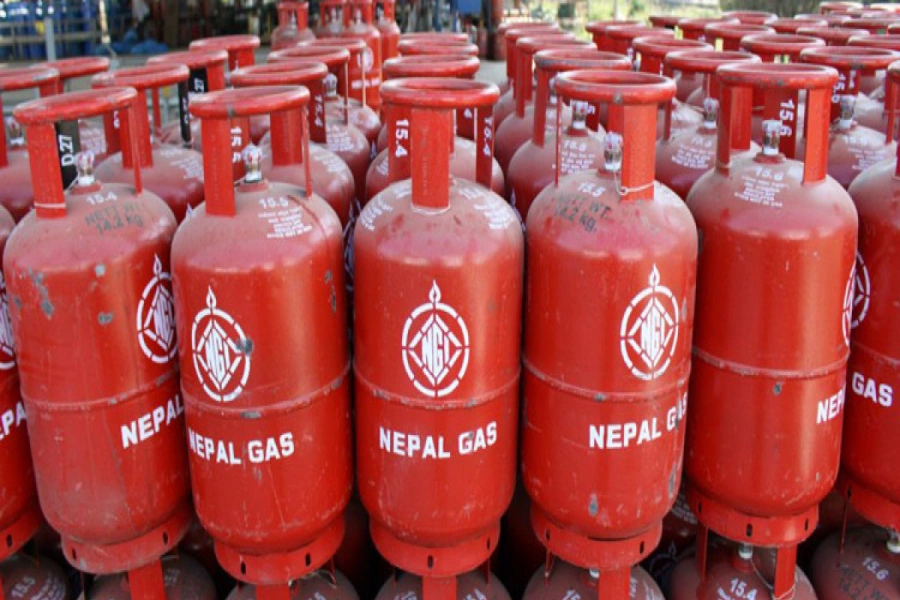
During the Inter-governmental Sub-committee (IGSC) -- the joint-secretary level bi-lateral talks -- India also agreed to provide a liquefied petroleum gas (LPG) storage facility to Nepal at Haldiya port, so that Nepal could import LPG from third countries.
"India is also positive towards opening the Rohanpur-Singhabad rail route in order to boost bilateral trade between Nepal and Bangladesh," Adhikari added.
The two sides also agreed to annul through immediate notification the existing Duty Refund Procedure (DRP), a system put in place to refund Indian excise duty to Nepal.
However, no headway was made on critical issues like accreditation of quality certification, simplification of quarantine operations and elimination of countervailing duty, which have been affecting Nepal´s export to India.
Related story
Scrap vendors stage protest against KMC for the second day in a...