The young writer believes that many young people are in the media these days so it is important for them to be aware of the power that this platform holds and the responsibility that rests upon their shoulders. “People bank on everything that gets published in the papers. So it’s our duty to get the true facts across.”[break]
Shakya was into writing since an early age, expressing himself through his blogs until he started contributing to The Himalayan Times, an English Daily, and other local newspapers. It was in 2002 that he took the first assignment from the ECS magazine and he calls it a coincidence as currently he is working as Assistant Editor at ECS Nepal itself.

Anurag Acharya
Shakya never used to miss any opportunity that would come his way to travel and write, and his interest mainly lies in writing about political affairs and social issues. “ECS Nepal is more of a lifestyle magazine but I always find ways to incorporate my interests. For instance, if I write about culture, I just don’t write about culture per se but try to include other issues as well.”
The one story that he still thinks which gave him immense satisfaction was covering the renovation of the Swayambhunath Stupa one year back.
He thinks that the country has a lot of brain drain as most of them who have studied journalism abroad are not so eager to practice here. They also don’t find the relevance of what they studied abroad in the Nepali media. “This is why many opt to study and work abroad. But I think if you really want to stand out in any field, you should be able to create opportunities for yourself.”
Media is a young profession in Nepal, says Shakya, especially for a magazine like his, as lifestyle reporting is also something new in the country. “There are few people who can train novices. So we’re trying to make our own path. We try to learn from magazines abroad and then make our own genre.”
He feels that even those people who have background in journalism usually shy away from it as they believe that they don’t have good scope in Nepal. “People tend to feel that there’s no future staying here. But I believe that for media to develop, young people like us should stay back and create opportunities,” says Shakya. “It’s true that we have fewer people to groom us and media in Nepal isn’t so old. But it’s getting there.”
For Niranjan Shrestha, 28, photography came naturally as he was always interested in and inclined to the creative field. He even studied music for a while but due to lack of support from his family and the split from his music band, he tried his hands in photography by simply taking pictures of anything that caught his attention.
“I thought if I got into photography, I wouldn’t have to leave the arts field. It would however mean that the way I expressed myself would be a bit different than the way I did with music,” says the young passionate photographer.

Bhrikuti Rai
He has been involved in photography for the last seven years and since the last two years has been a staff photographer for the Associated Press (AP).
He still remembers the first camera he owned which was a simple compact one. But that didn’t stop him from experimenting. It was many years later that he saved money to buy a professional DSLR camera.
Shrestha believes in taking reality pictures which he thinks is necessary to be seen by the public. “I also like taking pictures that speak of various social issues because such images can bring about awareness and can help bring about positive changes.”
He believes that pictures are powerful as they have the ability to tell stories and grasp the attention of the readers. Over the years, he thinks that photography in the media has evolved a lot and it plays an important role, as usually people tend to read the text of the news if the pictures interest them.
“While working for the media, I have to be able to click pictures of varied subjects, likefashion, entertainment, sports to culture. But I always spare time to follow my interest as well,” says Shrestha.
He thinks that photography in Nepal has developed over the years as there are institutes that offer new courses creating more opportunities for photography enthusiasts. “I think a photographer should stick to a genre and do his best rather than try to master himself in all the genres.”
For Shrestha, every photograph that he takes is special as it has a distinct story to tell. “When I look back at the pictures that I took years ago, I feel that I lacked something in the photographs that I took. So I always believe that there’s always room for improvement,” says the self-made photographer.
It is, however, a different story for another young journalist. As a Development Studies student, Anurag Acharya, 28, traveled to lots of rural parts of Nepal where he saw different realities. Back then, he realized that the various aids had not reached the concerned people who were suffering and the reality was indeed different from what he assumed. He then thought that getting into mainstream journalism would help in bringing out awareness about various issues among the general public.
He started by covering the events of the Constituent Assembly as it was in a transitional phase and was getting interesting. He has been working as the desk editor and columnist of the Nepali Times, the English-language weekly newspaper for the last two years.
“In the 21st century, media and information is changing and is a great medium of empowerment and a great platform for the common people,” says Acharya whose key interests lies in reporting on political and social issues.

Niranjan Shrestha
Acharya is of the opinion that though everyone wants a new Nepal, nobody is prepared to shed their old mentality. “We keep harping about democracy and human rights but our behavior is undemocratic and we aren’t sensitive enough about others’ rights. Self-proclaimed liberals are among the most illiberal ones in their outlook, and views that don’t conform to the mainstream are frowned upon.”
He believes that this holds true not only in politics but also in our daily lives. “The nation faces new challenges in the 21st century. In order to resolve them, we must first be more forbearing towards others’ wants and wishes.. Be more tolerant and respectful of one another’s needs. The rest is mere technicalities. If only the political parties trust each other’s intentions, it’s still not too late to forge consensus and end the impasse.”
He explains how Nepali media, both mainstream and social, has been part of the problem by straying away from its role of informing the public and facilitating the debate. He thinks that it has become fashionable among the youth to reject the agency of politics by calling it a dirty game and portraying politicians in negative light. “They are hardly encouraged to make critical assessments and offer their own insights. I feel we’re on the brink of an epochal change in this country. Not every generation gets to be a part of history in the making,” says Acharya.
He thinks that since media is mostly a private entity, it can help democratize the society and promote fairness and equality. “As journalists, we should maintain professional ethics and be able to present the other side of the story as well.”
Acharya talks about how media houses have economic pressures but journalists should always be self-critical and try to bring out true factual news to the public.
“Our main aim is to make the media transparent and accountable. Press freedom is not about writing what we want but knowing if we’re being fair to what we write and if we’re able to stand by it,” says Acharya.
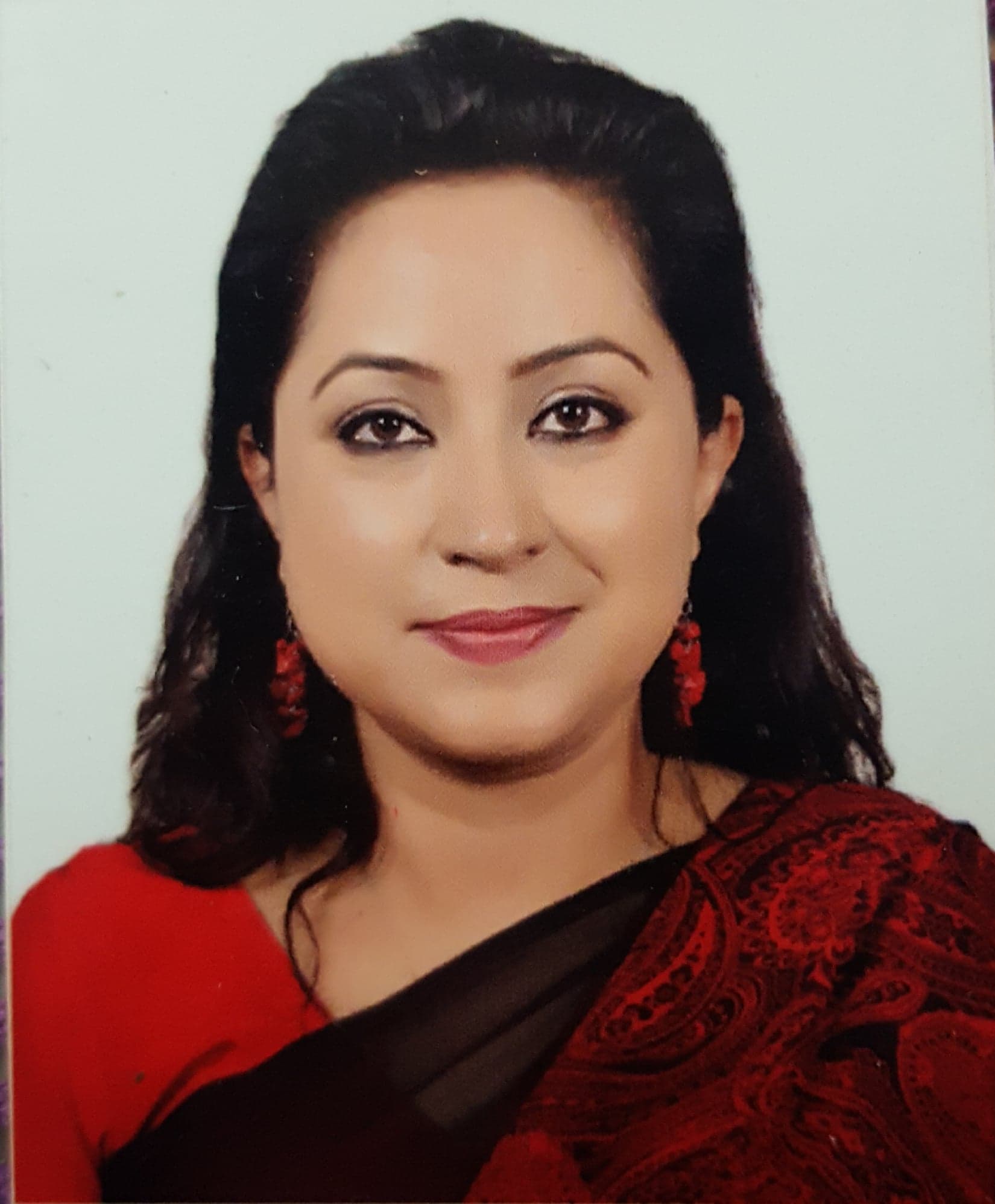
Similarly, Bhrikuti Rai, 23, is a storyteller who likes to represent the true sides of the stories through her works. She has been working as a correspondent for the Nepali Times for one year and her interest lies in writing about social issues and often about environment and health.A graduate in Media Studies, Rai was always keen about writing since her childhood days. “I always liked telling stories and I happened to stumble upon print media which has given me the platform to tell stories which speak of reality.”
She says that compared to the previous generation, Nepali media today has better outreach with the development of online media and various social networking sites. “Journalists today have the facilities of using better approaches to express themselves and influence people. We also see how the new media has allowed people to interact more through online discussions,” adds Rai who is interested in virtual storytelling.

Utsav Shakya
“Such platforms have allowed journalists to express themselves not only on paper or through the traditional ways but in many other ways as well,” says Rai.
She explains how even quantity-wise, there has been increment in the number of newspapers. But quality shouldn’t be compromised. She talks about how being a journalist is a demanding job as it is not like any other 9 to 5 job. “So what we need are passionate writers who are committed to report the truth.”
She thinks it is important for journalists in Kathmandu to move beyond their comfort zone and unravel stories that are beyond the capital. She still remembers how three months back when she went to cover the climate change issue at the Everest Base Camp, she saw many other vital issues of health and technology, among others, which she covered. “So it’s important to explore your interests and try to create a bigger impact with the stories that you do.”
Rai says that over the years, journalism has become interactive and improved a lot in Nepal. This has encouraged more students to take up journalism as it has become a viable career option. She thinks that this is a positive aspect for the country as media can help bring about positive changes and development.
Photo Courtesy: Vikram Rai
Related story
IFJ denounces arrest of journalists demanding reinstatement of...



-1778309205.webp)


_20230114102317.jpg)