Officially known as Influenza A (H1N1) pdm 2009, Swine Flu has been spreading terror and making people hesitant of stepping out of the house. Especially with the pollution and the congestion of Kathmandu, this fear is well founded. Swine Flu isn’t a new virus, and not that different from the regular virus like rhino virus.
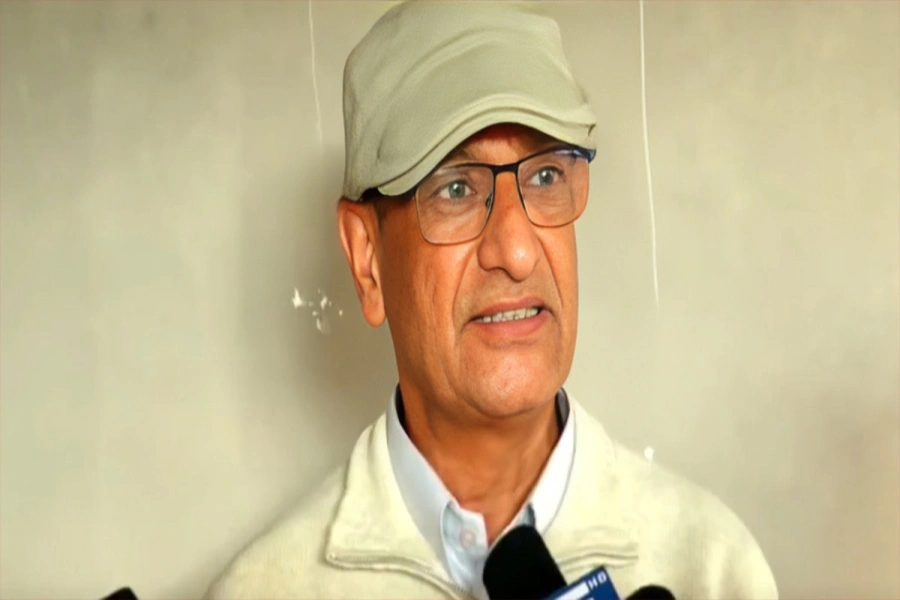
According to Dr. Mahesh Raj Ghimire, MD Medicine at National Medical College and Teaching Hospital in Birgunj, you need not panic.With adequate steps, you can keep the flu at bay. So stay calm and listen to what he has to say.
Reasons to be extra careful
People who have previously been diagnosed with chronic illness, chronic bronchitis, chronic lung disease, and patients who have had organ transplant must be more careful than normal people. Why? It’s because they have a higher risk of being infected and less chance of recovery. So if you fall into these categories, go an extra mile to make sure you take all kinds of prevention measures. Stay at home, or refer to the tips mentioned here. Also special care for the old and children less than two years old are suggested, as they, too, are vulnerable than the rest.
Liquid diet
Rs 1.5 m collected to save life of Gharti Magar languishing in...

If you’re diagnosed with Swine Flu, make sure that you prioritize liquid diet over solid food. Because your body is strained fighting the virus, you need to boost your immunity, and if you take more fluids, it’ll do so without forcing your body to take more strains. Hence, maximum fluid intake is suggested. So drink that soup. If you’re bored with the regular vegetable soup, then try having lentil soup, bean soup and even ORS (oral rehydration solution). It’ll also be better if you control your diet and not eat food that would be difficult to digest.
Be aware of the symptoms
Swine Flu shares symptoms with diseases like rhino virus. So if you’re feverish, or have common cold, your eyes are watery or if you feel lethargic, you need to handle things with care. Don’t panic, however. It doesn’t necessarily mean that you’re infected. Be calm and go for medical help.
Keep the distance
The need for personal space has never been greater. Keep at least a meter’s distance between you and the suspected infected person. If you’re responsible for taking care of the infected, don’t touch the things the patient has laid his hands on. Use gloves or clean clothes all the time. Avoid going to public space if possible, if not, take adequate precautions.
Wear mask and eye glasses
Masks aren’t foolproof but it’s still better than staying unprotected. Don’t be worried about looking suspicious with your face half hidden, though. There are plenty of colorful masks that you can find in the market. First, wash them well and only then use them. The material of the mask won’t always work for you. Check if you’re allergic to the fabric or not to actually use them. If you aren’t, then don’t hesitate using it in public places like buses, micros, and tempos. Use N95 masks if you commute a lot.
Eye glasses are also a must, especially if you’re venturing into public spaces as it’s risky to leave your eyes to direct exposure.
Wash your hands
Even a three-year-old knows that washing hands is important. You don’t know what you come across when you’re out in the streets. So when you come home, the first thing that you should do must be washing your hands. This decreases the chance of being infected even if you were in direct contact with the patient. You can also carry a sanitizer with you and use it when you feel like it.
Stay home
If you’re infected or have to take care of someone who has the flu, then stay home. It isn’t just to ensure that you don’t spread the flu but also to make sure that you recover and are well rested. You need to drink your soup, help your immune system recover and kick the flu out. So stay home and rest.