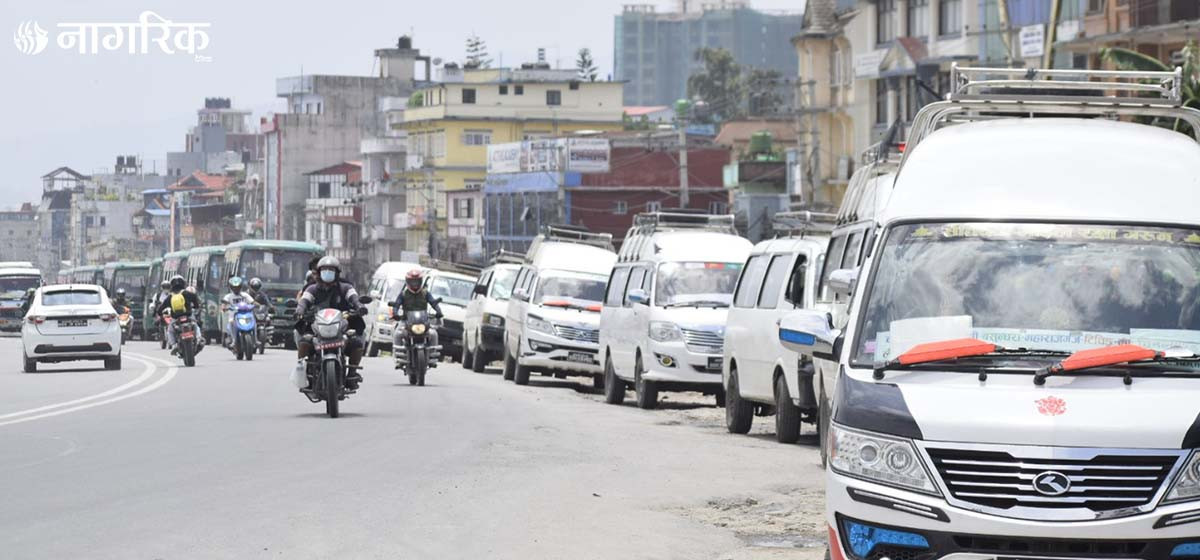
But five years down the line the Maoist leaders continue to ride the smuggled vehicles, which are easily identifiable with their peculiar, temporary number plates in green and white against a yellow background. The cabinet led by Maoist Chairman Pushpa Kamal Dahal, who succeeded Koirala as prime minister after the Constituent Assembly elections in 2008, decided that the Maoists could continue to use the vehicles until the end of the peace process. That was a breach of the previous deal allowing Maoist leaders to use the vehicles only as a stop-gap measure and only for a specified period of time. When the Maoists were first allowed use of the vehicles they were also exempted from vehicle tax for a year. But the Maoist leaders have now taken that exemption for granted and have never paid the taxes that all other Nepalis who own vehicles pay regularly.
Many Maoist leaders proudly claim that they are so selfless they have given up their private property and freed themselves of greed and the trappings of wealth. But their lifestyle suggests otherwise: Many of them live in bungalows, drive expensive stolen or smuggled vehicles and spend lavishly. Whether anyone wants to give up personal wealth or retain it is a matter of individual choice and people are free to make that choice. But when people decide to retain wealth it should be legally sanctioned. No one, least of all politicians, should be allowed to keep smuggled and stolen vehicles. Since the Maoist leaders are in no mood to give up their vehicles, they should be allowed to legally register them after paying custom duty to the state and they should be made to pay the annual vehicle tax as well. The Maoists should no longer enjoy their tax free ride.
Related story
Ride-share driver arrested for misconduct toward passenger