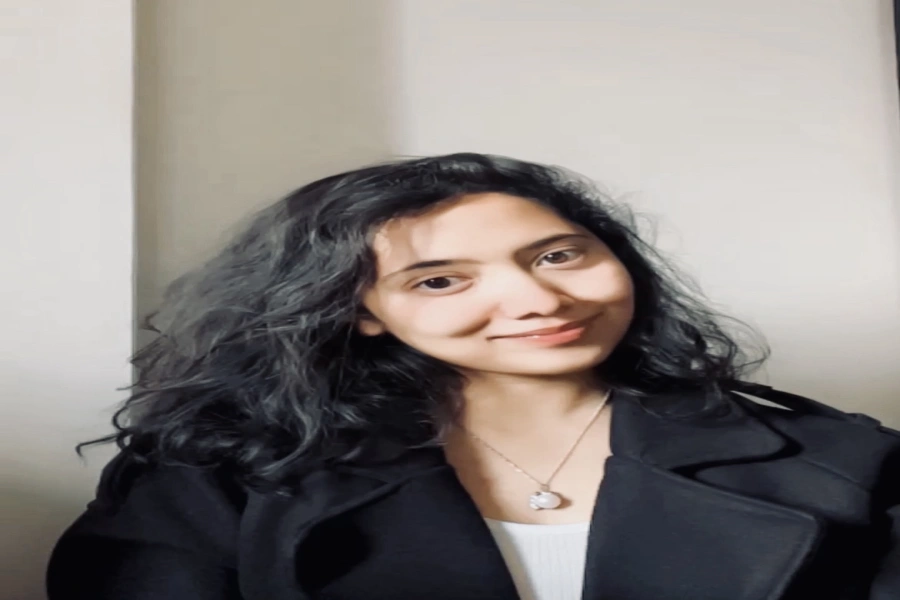
“When I look back now, I can’t seem to figure out how I managed to balance both work and home,” says Poudel who retired four years ago. [break]Though she still had seven years left for compulsory retirement when she resigned her job, she says that various personal factors like health issues and her desire to spend more time with her family led her to take the decision.
But she has no regrets. “I’m happy that I led a very active life and I’m equally satisfied that my time is now solely dedicated to my husband and family,” she says.
After working throughout one’s active years, a secure and content retired life is everyone’s dream. Though a person can choose to retire at any age, normally people retire after they are eligible for private or public pension after reaching a standard age.

PHOTO: THE WEEK
Generally, if individuals have served an institution for more than 20 years, they are entitled to pension facilities. But people can choose to continue their employment till they are 58 years old in case of government services.
Poudel is also eligible for government pension. Many like her resort to government jobs for financial stability provided through pension facilities. During their active years, many people consider retirement planning to become financially independent after retirement, be it through pension or through personal saving. Allocation of funds for retirement allows individuals to spend their retired life without having to worry about a steady source of income.
But apart from being financially independent, retirement planning for some also includes their plan to stay occupied after the retirement.
“Retiring from work doesn’t mean that you withdraw from all the activities of your life,” says Dr Somnath Aryal, an ENT doctor by profession, who retired from the Health Ministry as a Specialist Secretary about a decade ago.
In government service, if an individual is appointed Secretary, one is allowed to serve for the next five years, after which compulsory retirement is mandatory. This rule is followed regardless of the person’s age being less than the standard age of retirement.
The idea for compulsory retirement is to release senior employees from work pressures and let them live life at their convenience. It is also one of the methods to provide promotion opportunities to the upcoming employees. However, it cannot be denied that the experience and expertise of senior officers can be valuable assets.
When Dr Aryal retired, he was only 52 years old. After completing his tenure as Secretary, he continued his primary profession as a medical doctor, practicing at Medicare National Hospital in Chabahil and Siddhi Polyclinic in Gyaneshwor.
After two years of being retired from government job, Dr Aryal was again appointed as Chairperson for the National Medical Council. “The Council kept me very busy though you cannot call it a proper employment,” says the doctor who left the Council two years ago.
Though nowadays he only gives four hours a day for his medical practice, he still makes sure that he remains active as much as possible.
“It is important to stay active, and it is more important when you’ve retired,” he says. He adds that he walks for an hour in the morning and thus is able to maintain his perfect health. He also insists that people who have reached their retirement age should be careful about how they want to spend their time.
Dipendra Thapa, former education Secretary, who retired from his post about two years back, also resorted to ‘semi-retire’ than to stop working completely.
But Thapa’s was more peculiar case. He was the first government officer to have been appointed directly as Joint Secretary, his career in the government service spanning only 13 years. He had to take compulsory retirement after five years of being appointed Secretary. Unlike the conventional guarantee of pension after retiring from government services, Thapa was ineligible for it because of his speedy promotion.
“After being appointed Secretary, you’re required to retire after five years, so an “exit plan” is a common practice for government officials,” says Thapa. Therefore, according to his plan, he chose to go back to teaching and consultancy which were his primary professions before he joined the government services.
Unlike Dr Aryal and Thapa, Poudel does not believe that taking another job again after one has retired is the only way to stay active.
“I’m still active, the only difference being I don’t have any jobs now,’ she says. She has been contributing her time to social organizations and that does not require continuous attention like a job. In addition, she has also been learning basic computer skills and is enjoying her time emailing, chatting and using social networks to get in touch with her friends and relatives.
“This wouldn’t have been possible if I had not retired. Now I can afford to make plans for holidays or social gatherings as I wish without worrying about work or time constraints,” she says.
She adds that she had no optional employment plans on her mind when she decided to retire and she still sticks by her decision. “I had decided that after I retire, I won’t take up another job. I wanted to be with my family as much as possible and also spend more time on myself,” she says.
Poudel’s plan for retirement included taking time to look after herself which is also very important, according to her. “When you’re working, you’re living in a rush; now I’m enjoying life in the truest sense,” she says.
But she is quick to add that retirement is just a strategy to organize your life. “Retirement will not give you solutions to all of your life’s problems, it’s just that it will give you time to reflect on your life and carry out things that you missed,” she says.
Though partially employed, Dr Aryal and Thapa also agree that retirement has allowed them to schedule their time according to their expediency.
“It used to be crazy when I used to work at public services, but now I can prioritize how much time I want to invest in certain things,” says Thapa. Though he has plenty of projects for management consultancy and is regularly taking classes at different colleges, his retirement from government services has allowed him to make time for himself.
Passionate about fitness, Thapa never misses his fitness routine which includes more than two hour of morning walk from his residence at Kalimati to Swayambhunath Temple. Then, three hours of yoga and meditation.
He is also spending his spare time by exploring his longtime hobby of singing. “I have already finished the studio recording of an album which I’ll be launching soon,” he says. Apart from that, he is also enjoying his time cooking, gardening and fulfilling his literary hobbies.
“I am also able to give ample time to my family which was almost impossible before retirement,” he adds.
Retirement can be the most pleasurable time of life if one plans properly, say the retirees. There are many factors that affect the decision to retire except for compulsory retirement. Many people choose to retire after they are convinced that they are financially and socially secure, some decide to leave employment with regard to health status while some base their decisions according to their spouse’s employment status.
But regardless of the reasons to retire or their choices for life after retirement, the retirees are looking for ways to make their life more enjoyable by getting involved in different activities. Their involvement in part-time employment, social organizations or simple fitness routines helps them overcome problems regarding old age and consequent health problems. Remaining active also helps them to relate more with the changing society and helps them remain young at heart. Age, for many, is just a number anyway.
mail2asmita@gmail.com
Related story
A wonderful world of baked goodies






-1200x560-1774606010.webp)