How does the system of kamaiya and kamlari actually work?
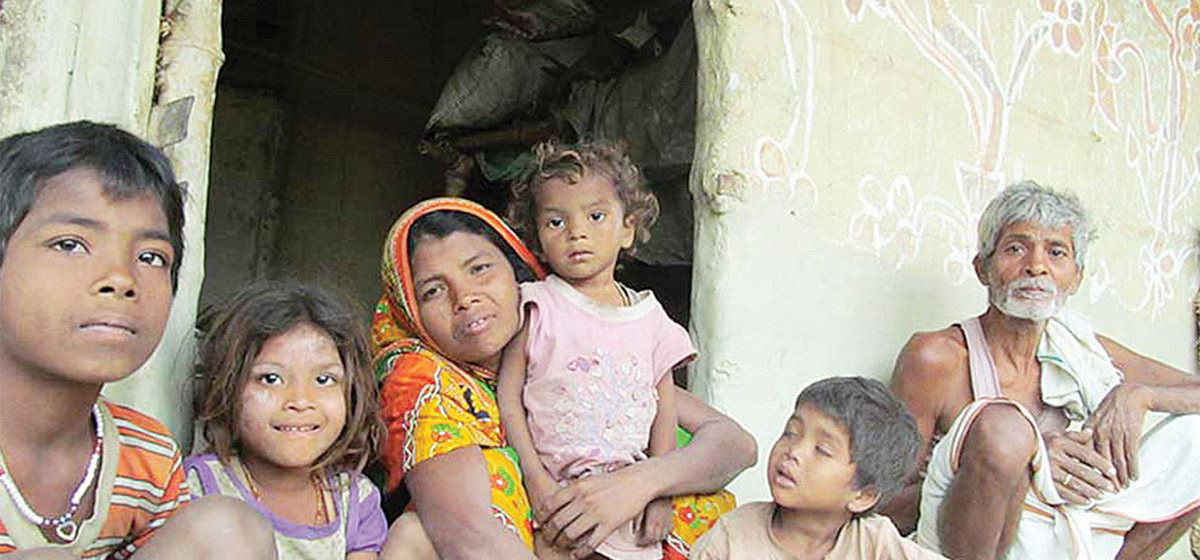
Kamaiyas (males) and kamlaris (females) are part of the same system of indentured labor. This system is pervasive in five districts of western Nepal: Banke, Bardiya, Dang, Kailali and Kanchanpur. It is directly related to land ownership. Because one would become a kamaiya or kamlari when one had no land to till, they would work in the fields of the landlords to earn their livelihood. But they do not get this opportunity unless they send their daughters to work as domestic servants at the landlords’ houses. There, a kamlari is virtually a slave. Kamlaris are bought and sold on the first day of the Nepali month of Magh. Once sold, they have to work like slaves. In principle, a kamlari can leave her master’s house on Magh first. But the debt owed to the master is usually so high that she cannot realistically escape and the vicious cycle is perpetuated.

Keshab Thoker/Republica
Last week you were part of a nationwide movement against this slavery. What made you stop it?
Our struggle will continue until all kamlaris get their rights. We put the agitation on hold because the government agreed to address our concerns via a ten-point deal. They have promised to meet our just demands within a month. If the government fails to do so, we will start the movement anew.
Kamaiyas were declared free in 2000. Why weren’t kamlaris freed at the same time?
The government of the time put the issues of kamlaris and kamaiyas in the same basket. It thought emancipating kamaiyas would automatically free kamlaris. As per the laws, kamlrais are free as well. If you go to the districts I mentioned earlier, you will see that landlords are really scared of keeping kamaiyas. They fear that they could be prosecuted because they know kamaiyas are free. But they still keep kamlaris because they think they have not yet been freed. Our demand is that the government should declare an end to the system. This will discourage landlords from keeping and mistreating kamaiyas. A clear message needs to be sent that keeping a kamalari is a crime.
What has kept the government from doing this?
I think the government is being too cautious. It knows the situation of freed kamaiyas. They were declared free but they have not been provided any land and shelter. They were thrown into the fire from the frying pan. We are not going to keep quiet unless government offers us livelihood opportunities. The status quo cannot continue. We have issued an ultimatum to the government to declare us free, while also providing us with work alternatives as well as education, shelter, rehabilitation and safety. The government cannot fool us this time.
What exactly should the government do?
The state should first identify the means of livelihood of kamlaris as well as their skills. Kamaiyas and kamlaris are the most hardworking people of the country. The state should provide them with land and if that is not possible it should come up with alternative programs to employ them.
Don’t you believe the state is serious about addressing this issue?
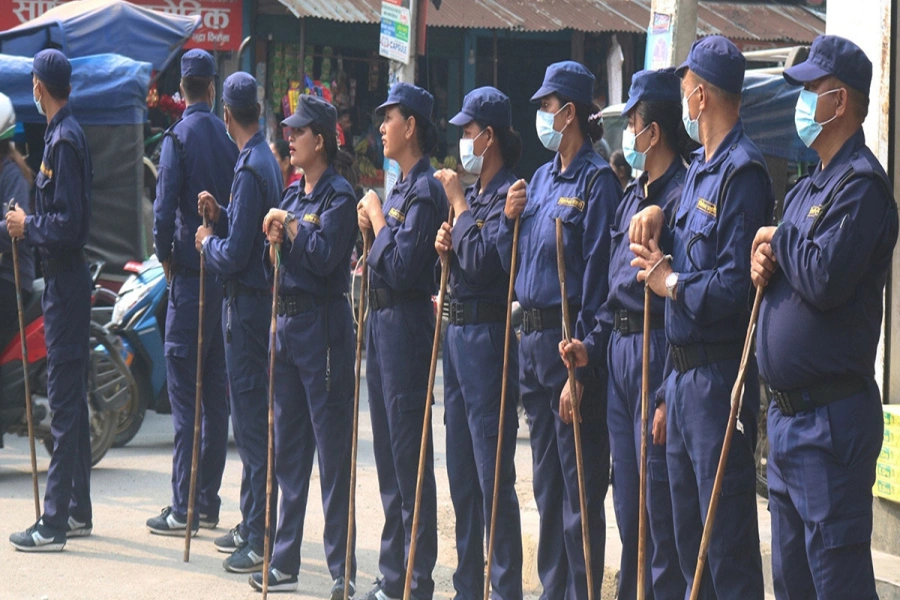
It is clear that the state is not. In fact, it has no regard for the poor and the oppressed. The brutal physical assault on young kamlari girls last week is proof. There is a deep rooted tendency among state actors to protect the oppressors and prosecute the oppressed. If the home minister had even an ounce of morality, he should have resigned after the police’s brutal attack on young and helpless kamlaris. Home Ministry is supposed to flex its muscles on criminals, not on the hapless girls who have come to demand their basic rights.
What sort of people actually keep kamlaris?
It is usually the rich and affluent landlords. But even those in justice-delivery bodies have kept kamlaris. Judges, politicians, administrators, high level officials in government, they all keep kamlaris. This is the reason they do not want to abolish the system.
But many claim to be helping kamlaris by providing them with food and security.
Yes, some masters may be treating kamlaris well. But is it not a fundamental right of a person to be educated, free and provided with food and shelter? Is not kamlari system against fundamental human rights? Must a poor girl work in the house of the landlord like a slave for two meals a day?
Where are kamlaris mainly concentrated these days?
It’s difficult to pinpoint an exact location. Of late, landlords have come to the towns from villages, brining kamalris along. I see kamlaris working in some houses but when I ask the masters who they are they say they are nieces or brother’s daughters. There are very few kamlaris in the villages because the level of awareness has increased and local organizations are tracking down owners who continue the practice. With the shift toward the city, cases of rape and impregnation of Kamalaris are rising.
Why are the perpetuators not brought to book?
If you ask me, the state is not there for the poor and the oppressed, but only to serve the interests of the rich and powerful. Often the perpetrators are from rich and powerful class. It may sound unpleasant to some, but even human rights activists seem to be serving the interests of the rich and powerful. Landless squatters are bulldozed but the activists see no human rights violation in this. But when a poor usurps the land of the rich for subsistence farming the same activists see human rights violations. Those rights activists need to be reminded that the poor are also human.
Did the political parties support your movement?
I must acknowledge that the political parties lent us big support this time. It was only the government which acted in a suppressive manner. Even High Level Political Committee is said to have condemned the attack on us.
Let us turn to your personal life. A former kamlari, you have now become a symbol of resistance. What was life like as a kamlari?
Kamlaris live like slaves. They have to work like machines from early dawn to midnight and there is no escape from this life of servitude. They cannot live, nor can they die. When I was a kamlari, I could not meet my mother even when I was terribly ill. During the festivals, the children of the landlords would be in cheerful mood. But I would be at my saddest because festivals meant I had to work longer and harder. I never knew what it was to be happy.
What inspired you to fight this system?
I had to do most household chores at the landlord’s house, but would have to eat the least nutritious and unhygienic food. I was the one to wear the most ragged clothes. I was the one to be chided and abused the most. I was the one who never got medicines when ill. Around that time I started feeling that those who worked the hardest and longest are destined to be the poorest and the most neglected. The turning point came when my first baby boy was born. I decided I should do something to give my children and those of other kamlaris a better life. In fact, the source of inspiration to fight the system was my own pain and suffering.
Wasn’t it hard to break with the norms and start out as a rebel?
Don’t even ask! In the beginning even my own family members were against me. Other kamaiyas would come to my house in the night with sticks and knives. They would tell my parents that I was ruining their only livelihood prospect.
Related story
How Language Dehumanizes, Kills the Oppressed