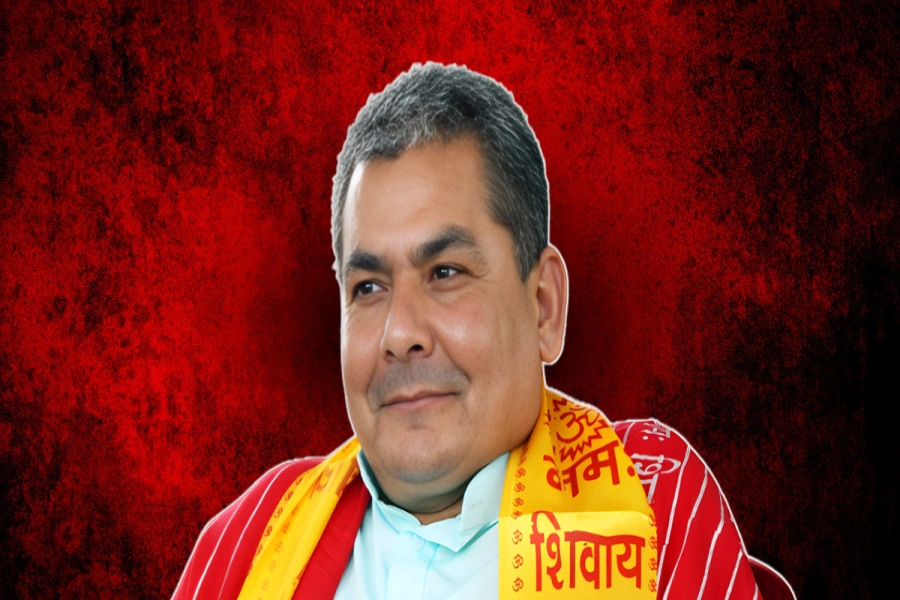
Kathmandu Metropolitan City has started clearing squatter settlements along the Kathmandu Valley rivers. Starting last Friday, officials, following Prime Minister Balen Shah's orders, tore down homes and shacks in 22 settlements along the Bagmati, Bishnumati, Manohara, Dhobikhola and other rivers. Hundreds of families who had lived in these areas for years are now affected. Many have been moved to temporary shelters, not knowing what is next for them. Stories from places like Thapathali and Gairigaun show just how fast everything happened. Security personnel came early in the morning, and then bulldozers arrived quickly. Families grabbed their blankets and clothes, leaving other belongings behind. Many of these people had slowly built their homes over the years while working odd jobs. All that effort vanished in just a few hours due to the demolitions. For most residents, the main and most pressing worry has been clear: where will they go, and how will they manage their daily lives from now on? The KMC demolition drive has a valid reason. People building too close to the rivers have caused environmental and safety problems for a long time. Floods, pollution and unplanned construction have made these river areas difficult to manage. Discussions about clearing these areas have been ongoing for years, but no government had taken concrete action. So, in a way, what is happening now is a long-overdue effort to enforce the rules and reclaim public land.
Jugmani Chaudhary: A land rights activist making strides in Wes...

But simply enforcing rules will not solve the bigger issue. The displaced people are in a vulnerable situation. Many of them are in places like Dasharath Stadium, Nagarjun apartments and the Kirtipur holding centre, but the facilities there are very basic. There are reports of insufficient toilets, irregular food supply and inadequate medical care. Children are missing school, and elderly or sick people are not receiving the care they need in these temporary shelters. These are not minor issues—they directly affect people’s dignity and quality of life. The government has said it will soon begin identifying “genuine” squatters and relocating them to safer areas. This process is necessary, especially since not everyone living in these settlements is landless. There is evidence that some individuals who already own property have occupied riverbank land, built structures and rented them out. Others have falsely claimed to be landless to occupy public land for future profit. Ignoring this would undermine fairness and erode trust in the government’s plans.
However, authorities must be cautious in providing support to genuine squatters. If the identification process is rushed or flawed, those who truly have nowhere else to go may be excluded. To ensure that assistance reaches those in need, the process must be guided by clear criteria, transparency and independent oversight. Meanwhile, immediate assistance should be provided to affected squatters. Authorities must ensure that displaced families have access to adequate food, clean water, sanitation facilities, temporary shelter and healthcare. These are not optional measures; they are basic responsibilities. If the government, city officials, provincial agencies and ministries coordinate effectively, these needs can be addressed promptly. While the demolition drive may be necessary to reclaim public land and manage urban space, it also exposes longstanding weaknesses in housing policies and social safety nets. What matters now is how authorities respond to the needs of displaced people. That response will determine whether this effort restores order in the city or leads to deeper social challenges.





.jpg)