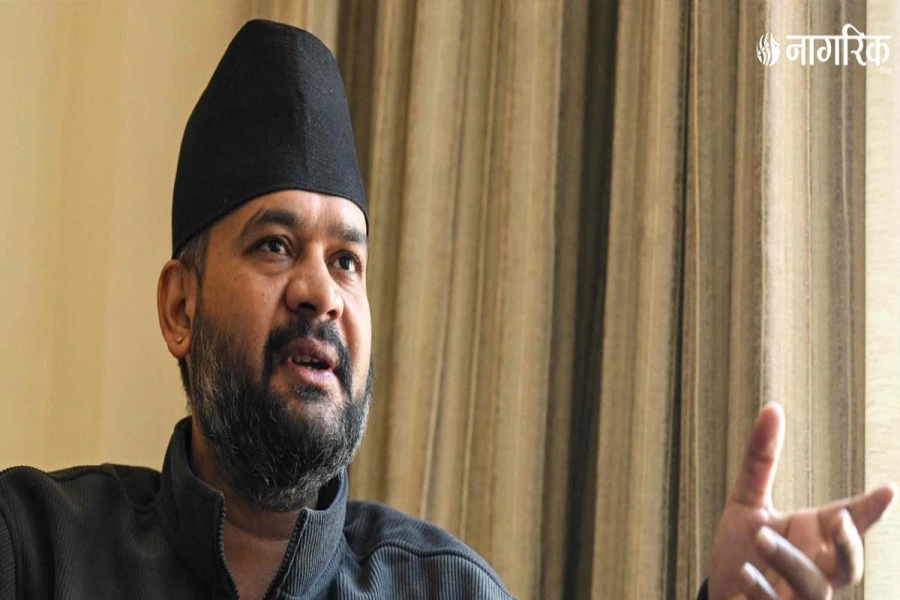
You are known as ´terror´ in certain quarters of the insurance industry. How does it feel?
People who have a habit of infringing law always complain when a strict enforcer arrives on the scene. Since joining the Insurance Board, the only thing I tried to do was introduce reforms in a sector which had become uncontrollable. The first task we did was increase the frequency of on-site inspections of insurance companies. From once in two to three years, we now visit an insurance company at least once a year. We are also hiring more people for this purpose. During these inspections, we found that most of these public companies did not have traits of a public company and were being operated more like a family business. All we tried to do was make them realize that they are guardians of public money and they should act like one.
In this course, we introduced directives like corporate governance, which has limited remuneration of insurance company´s CEOs to up to 15 times of lowest-ranking staff. At the same time, we also tried to reduce corruption level to zero at our own institution. Take for instance the provision on over-time. No one is exploiting this facility at our office now. These measures have probably angered some people, but I´m not concerned.

Despite good intentions, there are claims the Board isn´t working impartially. Take the case of NB Insurance. Why haven´t you been able to take action against the company?
We took action against the company and suspended its entire business operation for the time being. Similar actions were taken against several other companies. Those who have followed our prescriptions are back in business. In NB´s case, it deposited Rs 35.3 million in a finance company, which was more than the ceiling fixed by us. We later allowed the company to do normal business on condition that it returns the money within a stipulated timeframe. It failed to meet the deadline and we have already issued a letter to the company seeking clarification.
So you have formally sought clarification?
Yes, we have. We will refer to prevailing laws and see what needs to be done.
But why did you allow NB to conduct normal business despite finding it guilty, while denying to lift suspension order imposed on Everest Insurance´s fire portfolio?
In NB´s case, we had sought commitment letter from its board, which they submitted. We had allowed the company to resume business based on the letter. We had also asked Everest Insurance to provide us a commitment letter stating that the advance payment of Rs 40 million, extended to a party related to one of the promoters, will be returned in case the reinsurance company fails to make the payment. If we receive such a letter, we will immediately allow the company to start conducting fire business. Once again, a public company should act like one and stop fiddling with funds collected from common people.
You seem to have fought many battles following your appointment as executive director. Which one was the most difficult?
I´ve never come across more shrewd people as in the sector of insurance. If this shrewdness, currently being employed negatively, is put into positive use then the entire sector could advance by leaps and bounds. I try to feed these facts into these people but they take it personally.
Are you referring to protests that were launched after the Board put a cap on insurance companies´ expenditure?
In that case life insurance companies were doling out unlimited amount of money to agents in the name of incentives. Who gave them the authority to spend up to Rs 92 of Rs 100 collected from the public? We have now said they can spend only up to six percent of annual gross premium income generated through sales of new policies on guest entertainment, business promotion, advertisement, and agent incentives. This has increased profit level of insurance companies.
What about incentives given to agents of non-life insurance companies?
I am also surprised by this practice of extending up to 15 percent of premium as commission to agents of non-life insurers. These companies have so many marketing agents in their payroll, yet they rely on agents. They even say over 90 percent of business comes from agents. In my opinion, the provision of 15 percent commission should be scrapped. We´re looking into this matter and will come up with a decision soon.
There are also complaints that private auto insurance premiums are very high, despite low-risk entailed with the business. Is the Board doing anything in this regard?
Yes, premium on private vehicle insurance is expensive in Nepal and it needs to be reviewed. Currently, a person who has bought a vehicle worth Rs 5 million has to pay around Rs 125,000 in annual premium. This is pretty high.
Related story
Heart to Heart with Malvika


-1200x560-1774606010.webp)
-1200x560-1783685616.webp)