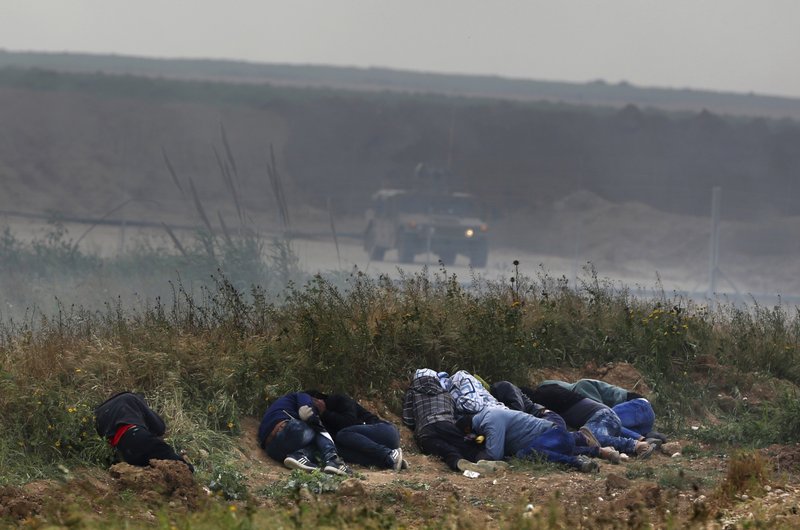
KATHMANDU, July 24: A group of prominent civil society leaders has submitted a strongly worded letter to Prime Minister KP Sharma Oli, urging the Government of Nepal to clearly articulate its position on the ongoing genocide in Gaza and to condemn the large-scale atrocities being committed by the Israeli government.
In a joint appeal addressed to Prime Minister Oli and copied to the Ministry of Foreign Affairs, the signatories expressed deep concern over what they described as the Nepali government’s “reluctance to speak forcefully” against the continued massacre of Palestinian civilians in Gaza under Israeli occupation. The letter was issued amid mounting global outrage over the worsening humanitarian crisis in the region, where nearly sixty thousand people—including almost twenty thousand children—are reported to have been killed since hostilities escalated in 2023.
“Nepal’s silence on the Gaza genocide diminishes us as a modern-day nation-state and deprives us of the moral authority to speak up on other important international issues,” the letter reads. “Nepal has a proud history of independence and non-alignment rooted in the Panchsheel principles. It is time we uphold these values and stand on the right side of history.”
The civil society leaders called on the government to publicly denounce the Israeli military’s indiscriminate bombings, ground assaults, and blockade of humanitarian aid, which they say amount to war crimes and crimes against humanity. They noted that hospitals, schools, and religious institutions in Gaza have been relentlessly targeted, and starvation is being used as a tactic of war.
While acknowledging the grief caused by the October 7, 2023 Hamas attack in which ten Nepali agricultural trainees were killed and another—Bipin Joshi—abducted, the signatories stressed that this incident should not deter Nepal from condemning the disproportionate and brutal Israeli response. “Our outrage at the killings and abduction of innocent Nepalis by Hamas does not prevent us from condemning Israel’s wholesale murder of tens of thousands of Palestinian innocents,” the letter stated.
They further urged the government to use all diplomatic channels, including intermediaries, to secure the release of Bipin Joshi and all hostages still held in Gaza. Citing Nepal’s historical recognition of Israel under Prime Minister BP Koirala in 1960, the letter asserted that Nepal has both the “right and obligation” to hold Israel accountable for its actions. The signatories called for Nepal to align with member states of The Hague Group that have supported the directives of the International Criminal Court (ICC) and the International Court of Justice (ICJ) regarding Israeli actions in Gaza.
The letter also raised concerns over Nepal’s diplomatic posture and called on the Ministry of Foreign Affairs to limit engagement with the Israeli Embassy to consular matters related to Nepali citizens' safety. It urged the government not to enter into any new agreements with Israel during the ongoing war and to prevent entry of Israeli military personnel with alleged records of war crimes.
The appeal was signed by civil society leaders including Dr Renu Adhikari, Mohna Ansari, Kanak Mani Dixit, Kul Chandra Gautam, Chaitanya Mishra, Bimala Rai Paudyal, Bishow Parajuli, Sushil Pyakurel, and Surya Prasad Shrestha—respected figures from Nepal’s human rights, academic, diplomatic, and public policy sectors.
Nepal advocates for humanitarian efforts, global solidarity: NA...

They concluded the letter by appealing to Prime Minister Oli to guide Nepal’s foreign policy in line with the principles of Panchsheel and non-alignment, and to reaffirm Nepal’s commitment to international justice and human dignity. The Government of Nepal is yet to respond publicly to the letter.
Full Text of the Letter:
Rt. Hon. Prime Minister KP Sharma Oli
Government of Nepal
Singha Durbar, Kathmandu
Subject: Seeking clear position of Government of Nepal on ongoing Gaza genocide
Dear Prime Minister Oli,
We write to you in anguish, given the reluctance of the Government of Nepal to speak forcefully against the genocide being meted out to the Palestinian people of the Israeli-occupied Palestinian territory of Gaza by the Government of Benjamin Netanyahu. This genocide has been ongoing now for nearly two years, in full glare of live media.
Nepal has a history of independence as well as non-alignment under the Panchsheel principles, and a proven commitment to human rights in the modern era. Nepal’s open society and our democratic Constitution provides the Government the moral authority as well as an obligation to speak up internationally on behalf of humanity and peaceful resolution of disputes.
In our view, Nepal must have a robust position against the brutal suppression of the Palestinians of Gaza, where more than 60,000 people, including nearly 20,000 children, have been killed under the Israeli onslaught. The citizens of Gaza suffer under missiles, drones, carpet bombings, sniper bullets and scorched earth ground offensives. Even hospitals, schools and places of worship have not been spared. Prime Minister Netanyahu uses starvation and malnutrition as a war tactic, blockading all humanitarian supplies including food and medicine. Only last week, the Israeli military killed more than 800 Gaza residents seeking food and water for survival.
Mr. Prime Minister, Nepal’s silence on the Gaza genocide diminishes us as a modern-day nation-state, and deprives us of the moral authority to speak up on other important international issues of concern.
We concede that our civil society and human rights stalwarts, academics, opinion-makers, influencers and others have not been forceful enough against Israel’s atrocities in Gaza. However, the inaction of civil society does not absolve the Government of its responsibility to take a moral stand against the ferocity and brutality of Israel’s actions.
Under Prime Minister BP Koirala, in 1960, Nepal was a pioneering country of the Global South when it went against the tide to recognise the state of Israel. This history gives Nepal both the right and obligation to hold Israel accountable as it seeks to depopulate Gaza.
We recall that, together with Thailand, Nepal suffered disproportionately in the 7 October 2023 terrorist attack by Hamas on Israel. We remain full of anger and remorse that ten Nepali agricultural trainees were murdered and that the whereabout of the abducted Bipin Joshi remains unknown. We implore the Government of Nepal to make credible approaches to the Hamas leadership through intermediaries for the release of Bipin Joshi as well as all remaining hostages.
Mr. Prime Minister, our outrage at the killings and abduction of innocent Nepalis by Hamas does not prevent us from condemning Israel’s wholesale murder of tens of thousands of Palestinian innocents and maiming of many more. We recall that Mr. Netanyahu has been held guilty by the UN’s International Criminal Court for “the war crime of starvation as a method of warfare; and the crimes against humanity of murder, persecution, and other inhumane acts.”
By flouting international law, Israel and its supporters weaken the foundations of peaceful cohabitation globally. We signatories applaud member-states of The Hague Group (Bolivia, Cuba, Colombia, Indonesia, Malaysia, Namibia, Nicaragua, Oman, Saint Vincent and the Grenadines, South Africa and others) that have come together in support of directives of the ICC and the International Court of Justice on Israeli actions in the occupied Palestinian territories, and have condemned the “deliberate, indiscriminate violence and collective punishment deployed against the starving population of the Gaza Strip.”
We demand that the Ministry of Foreign Affairs be mindful of Nepal’s independent foreign policy and not be overly solicitous towards the Embassy of Israel, with whom contact should be limited to safety of Nepali citizens in Israel and standard consular issues. The Government of Nepal must desist from signing new agreements with the Government of Israel until at least the end of the ongoing war on Gaza. We ask the Government to also be alert to tourist arrivals so as to prevent entry into Nepal of Israel Defense Forces personnel with record of war crimes.
Mr. Prime Minister, in conclusion, we request you to direct the Ministry of Foreign Affairs to conduct itself according to the principles of Panchsheel and non-alignment which are the bedrock of Nepal’s foreign policy.
Sincerely,
1. Dr. Renu Adhikari
2. Mohna Ansari
3. Kanak Mani Dixit
4. Kul Chandra Gautam
5. Chaitanya Mishra
6. Bimala Rai Paudyal
7. Bishow Parajuli
8. Sushil Pyakurel
9. Surya Prasad Shrestha
cc: Ministry of Foreign Affairs, Singha Durbar, Kathmandu