Making a living as an artist is just about the dream of every musician. Unfortunately, this is the exception, not the rule. [break]
Not exactly the fertile ground for minting money, the Nepali music scene has its own set of demons to tackle, the ones leading the pack – piracy and dwindling record sales.
“To expect artistes to pay their rents without doing side job is impractical, not to mention overly idealistic,” shared singer Rambhakta Jojiju who hails from a classical music background and is a recipient of numerous awards, including Best Singer from Radio Nepal 13 years ago.

Jojiju, along with his wife Itu, regularly performs at Ghar-e- Kabab of Hotel De l’ Annapurna in Kathmandu and has no qualms about performing for patrons.
“Once you get into music, there’s no turning back. But to give sustenance to that passion, you need money,” he says.
However, given a choice, he would rather make music and concentrate fully on his musical career.
He agreed that there are some amazing talents who perform at various pubs, bars and restaurants but never get their due respect.
“For most of them, it’s a fulltime job. They earn a living and that’s about it. The salary is just about enough to sustain them, leaving no room for investment in an album,” said he, adding that even if one has no interest in pocketing profits, if it comes his or her way, one still needs anywhere from Rs 150,000 to 200,000 to cut an album.
Then again, making a living as an artiste is very different from trying to establish an audience base for one’s music.
So you think you’ve a string of great songs, and maybe a great band, but where are the raving fans? At a time when technology has made every bathroom singer a retake studio crooner, one has to convince his or her audience.
To make it big in the music business, you’ve got to play live, and that means you’ve got to get gigs, or as singer Hemant Rana puts it, “build network.”
“My debut album didn’t do well, so I went back to my roots. I got into music scene by performing at pubs and bars, and I took this as an opportunity to better myself. Live gigs really helped me build confidence, and networking always helps,” shared Rana, who performs weekly at Bourbon Room on Durbar Marg, The Factory of Thamel and Tamarind in Jhamsikhel.

One factor why live performances are on the rise is that money no longer appears to be an exacting issue.
The recipient of Best Pop Rock Album of the Year at Hits FM Music Awards last year, Rana has no qualms about talking about his musical gigs.
“I can’t imagine anything more satisfying than doing what I most love, plus they pay me for it.”
A graduate of Prayag Sangeet Samiti of Allahabad in India, Parbinder Singh has been playing tabla for the past 15 years, and believes work is work, whether in a recording studio or performing at a restaurant.
“Money is a part of the picture, but reaching out to an audience is also a big motivation,” shared Singh who is busy most of the time recording for artistes.
According to him, instrumentalists fare better than singers, for they are in constant demand for recording.
“The truth is that a minority of artists can afford to make a living by just their music. Especially in our context, you’re likely to need a day job,” revealed Singh. He splits his time as graphic designer and tabala player and is happy donning the dual roles, as both offer him channels to express creativity.

Passion, or paisa, or both? It seems like an ongoing tussle between these two factors and it won’t get resolved anytime soon. But, at the end of the day, one has to sustain his living and that’s not a matter of temperament or ambition: it’s a matter of fact.
After all, in the end, one’s idealistic and personal “art” becomes a “commodity” for the consuming audience and public.
And this distinction of transformation of something subjective to objectification translates into remuneration – “paisa” – by consumers for the creation – “passion” – an artist possesses and promotes.
There’s a win-win situation if both parties understand this basic pragmatism of life.
Related story
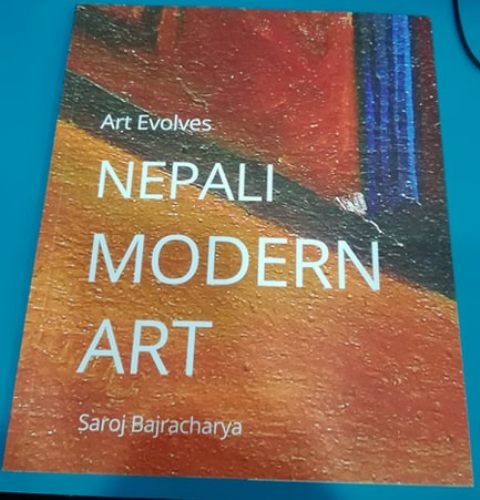
‘Art Evolves: Nepali Modern Art’: Review