After taking its toll on people’s daily life, the dark cycle of load-shedding has now started to take aim at life itself.
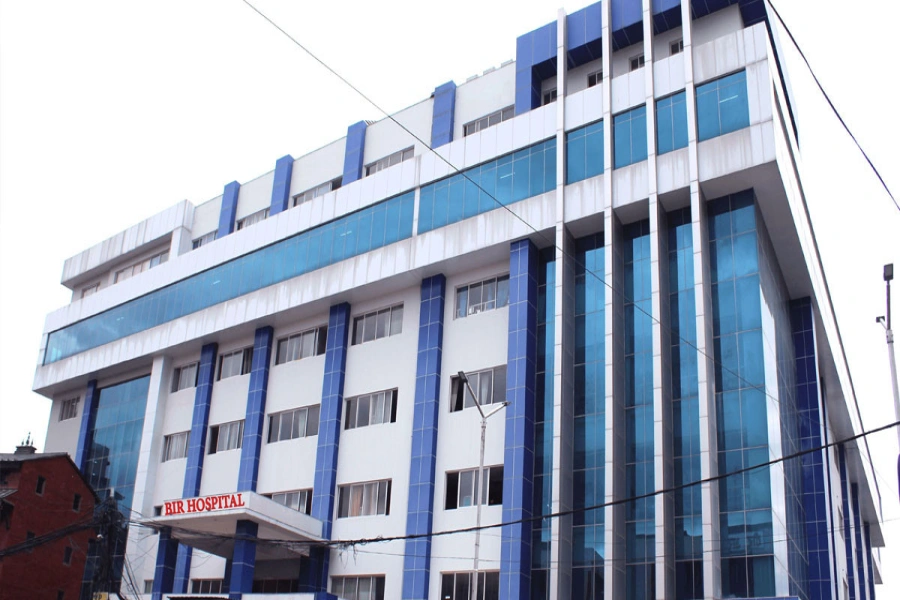
“We have decided to postpone her operation, scheduled for tomorrow (Wednesday), due to the risk of power outage,” Managing Director of the hospital Dr Hari Krishna Shrestha said. “Hers is a major operation that should be done over a stretch of at least seven hours, and considering the risk involved with the generator that can break down any time due to overuse, we have decided to postpone her operation, in consultation with her family,” Dr Shrestha added referring to the power cut that started at his hospital from 8 pm Monday and continued till 8 am Tuesday.
Hers is just one case in point. The 16-hours-a-day power cut has made life difficult for hospital patients. Though the government has pledged to keep sensitive areas free of load-shedding and supplied uninterrupted power to major public hospitals, the private hospitals and nursing homes are still bearing the brunt of the power crisis.
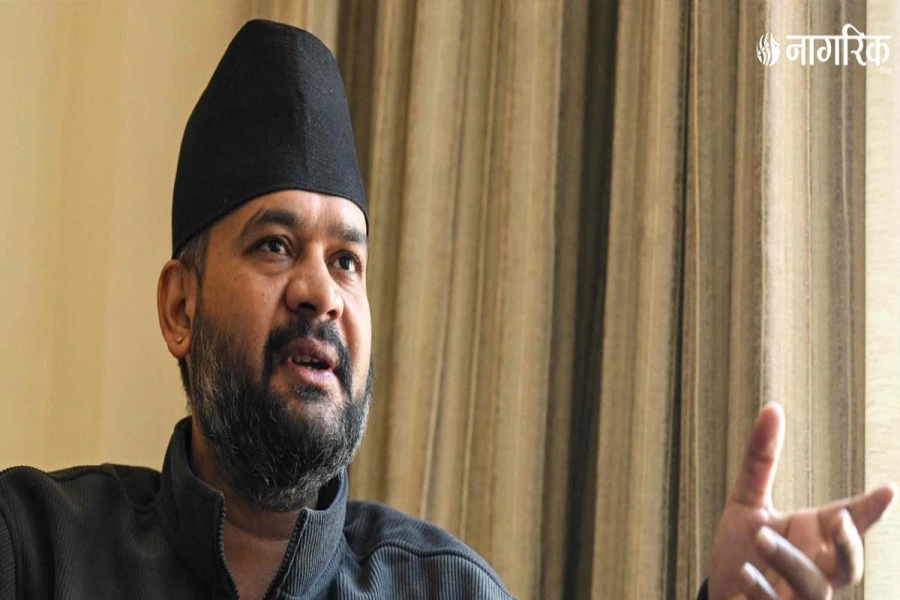
This has infuriated senior gynecologist and President of the Association of Private Health Institutions in Nepal (APHIN) Dr Bhola Rizal. “Why is the government showing a stepmotherly attitude towards private hospitals?” Dr Rizal, who is also chairman of Om Hospital and Research Center, asked. “We are also here to serve the people and the government runs on the tax paid by the private sector also,” Dr Rizal continued.
The hospital has started to inform the patients’ families about the increased risk due to power outage. “We inform them in advance about the risk involved if the generator breaks down. We have even referred some patients to government hospitals,” Dr Shrestha said.
As private hospitals start to refer critical cases to public hospitals, it puts additional pressure on the already over-stretched public hospitals. Administrative head of Tribhuvan University Teaching Hospital Chandra Kumar Rai accepts that government hospitals will feel the extra burden. “We cannot calculate the exact extent of the effect now as it is too early (16-hour load-shedding started only from Sunday) but it definitely puts extra pressure on us,” Rai agreed.
Dr Rizal said APHIN has submitted a memorandum to the Ministry of Water Resources to make arrangements for power supply to private hospitals and warned that hospitals and patients could face dire consequences if the government does not oblige.
“A generator is supposed to be used only for short-term contingencies, it cannot be used for 16 hours a day. We will become helpless if it breaks down because, though we also have a small back-up generator for critical services, it cannot keep running for long,” Dr Rizal reasoned.
Private hospitals have also started to think about installing alternate generators but this takes time, apart from being very expensive. Kathmandu Medical College, like Om Hospital, has initiated the process of bringing another big generator though it has not started to cut the number of patients admitted or warn them about the risks like Om does.
Dr Rizal felt that the government, which has introduced new taxes and hiked the existing rates for the private sector recently, was trying through its discriminatory attitude to alienate the private sector from common people by making private sector services more expensive.
The fact that high-ranking government officials are enjoying uninterrupted power supply at their residences all the while has not gone down well with Dr Rizal. “Is a hospital the priority or a residence?” Dr Rizal queried.
He even went as far as to challenge the government to declare a blackout throughout the day. “It would be better if they stop giving power for even the remaining eight hours and ask the people to make arrangements for themselves if they want to turn it (Nepal) into a failed state,” Dr Rizal fumed.
Related story
ICC T20 World Cup: England set Nepal a challenging 185-run targ...








-1200x560-1774606010.webp)
-1200x560-1783685616.webp)