The last case of polio had been reported in August 30, 2010 in Rautahat. Earlier, four cases had been reported in Rautahat and one in Mahottari in the same year. All the patients were aged below five. A country is declared polio free if polio cases are not detected for three consecutive years.[break]
According to the Ministry of Health and Population (MoHP), continuous immunization program and special anti-polio vaccination drive have helped curb the disease.
“We conducted special anti-polio campaign after polio cases reported in 2010,” said Giriraj Subedi, chief of Immunization Section, Child Health Division (CHD), adding, “no polio case has been detected since August 2010.”
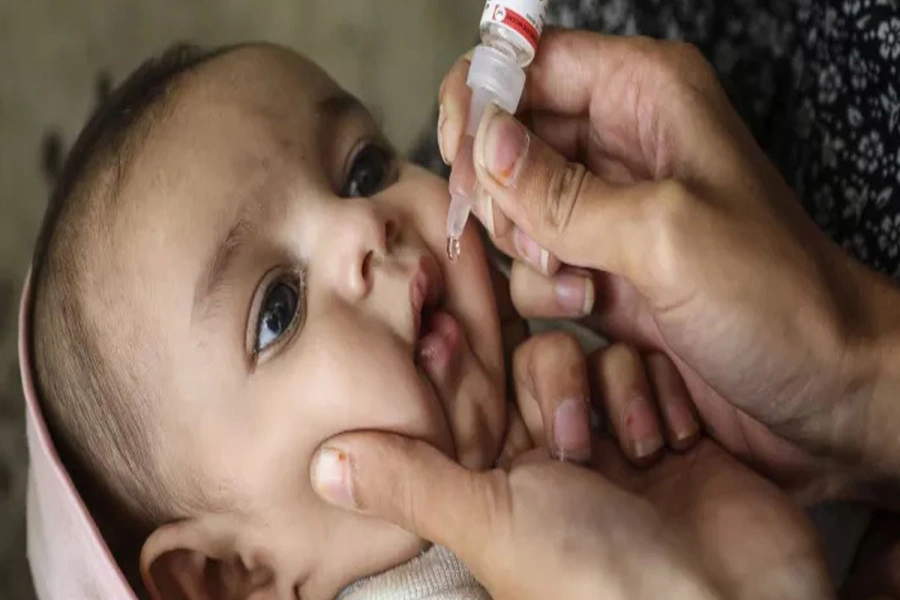
Polio is a highly infectious disease and strikes children below the age of five. It overtakes the nervous system, leading to irreversible paralysis. There is no cure, but a vaccine of mouth droplets can give good protection. UNICEF and World Health Organization have been supporting the government to run special polio campaigns.
No case of polio infection was reported in 2009 but six cases had been reported in 2008.
Nepal has been conducting two nationwide anti-polio campaigns since 1996 immunizing children below five years. Doctors say vaccination alone is not enough to protect children from the crippling disease. A routine first dose in six months, second in 10 and third in fourteen should strictly be followed to maintain the efficacy of vaccines.
Subedi claims all the cases of infection were imported into Nepal from India. Nepal would have stamped out polio earlier, according to Subedi, if there were no imported cases.
The government has planned to operate special anti-polio campaign on November 12 and 13 in eight high-risk districts of the Tarai -- Saptari, Siraha, Sarlahi, Dhanusha, Mahottari, Rautahat, Bara and Parsa - bordering India.
.
.
Related story
'Special Polio Vaccination Drive' to take place in 15 districts