“I only remember the marriage,” said Chanda of Dom Tole, Jitpur-3. “But I don´t remember his name or appearance,” she added. [break]
The marriage ceremony was held when Chanda was just three in the Indian town of Raxaul, located 30 kilometers west of her village. Her husband hasn´t come to see her ever since. “I am told that he will come after I grow up,” she said, giggling.
Another girl in the village, five-year-old Chandana Mali, also does not remember her husband´s name. Chandana, who got married 16 months ago, remembers what he looks like, though. “I will recognize him if I see him,” Chandana said, “But I forgot his name.”
Chandana sells bamboo baskets built by her parents in the local market. She occasionally thinks about her husband.
“I am reminded of him whenever there is a marriage in the village and when I watch television,” she said.
Chandana´s mother Laxmi said the girl got married in March, 2009. “In our community, children get married very early,” Laxmi said. “If the marriage is delayed, especially in the case of daughters, it becomes difficult to get a groom and the dowry becomes expensive,” she added.
Next month, the village will witness the marriage of two-and-a-half-year-old Shani Mali. Shani´s mother Reena said she will marry a kid from Sathwal of Parsa district. The same day, her six-year-old son Inda Mali will get married in Ghurmi village of Parsa.
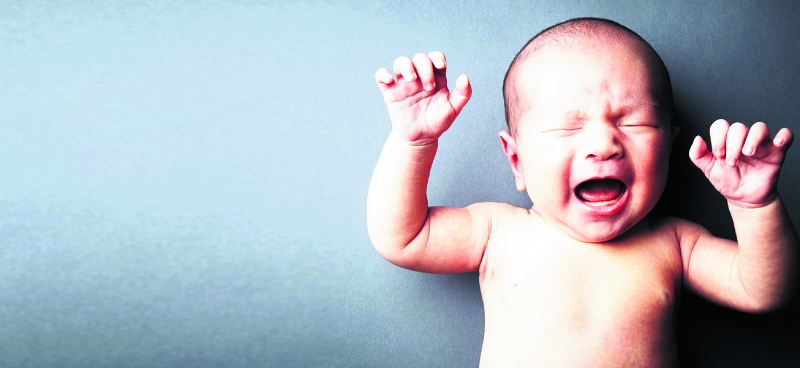
“You are invited to the marriage,” Reena said, adding, “We have already prepared for the reception.” While she said this, her daughter was crying for milk.
Child marriage is a custom in the Dom community in Tarai, according to Ram Narayan Gauro, chairman of Tharu Kalyankarini Sabha, Parsa.
“They are married early, but live separately,” he said. “They start living together after they grow up,” he said.
But the practice deprives the children of their rights. “It is bad to become someone´s husband or wife while still a child,” he added. “This negatively affects the children, psychologically.”
Related story
Mara, Bell enjoying married life






-1200x560-1774606010.webp)
-1200x560-1783685616.webp)