Reach any social gathering on time and chances are you will not only be the very first guest to arrive, but also leave the hosts, busy giving final touches to preparations, rather embarrassed. It is hard to pinpoint why most Nepalis are habitually late, but we can hazard some guesses. A traditionally agrarian society, people didn’t need to be on the dot while they went about their businesses out on the fields. They were answerable to no one and could work at their own pace. Proper time keeping was a product of industrialization, something which has not touched large parts of the country. Or perhaps the legendary Nepali tardiness can be attributed to the civil servants who set the precedent of arriving for work late, soon to be emulated by the rest of the population. Or perhaps it owes to our subconscious adherence to the Indian Standard Time, which is 15 minutes faster. Whatever the case, the tendency to take it easy is costing the society dear. After all, this is a country where nothing ever gets done on time, including the all-important task of writing a constitution.
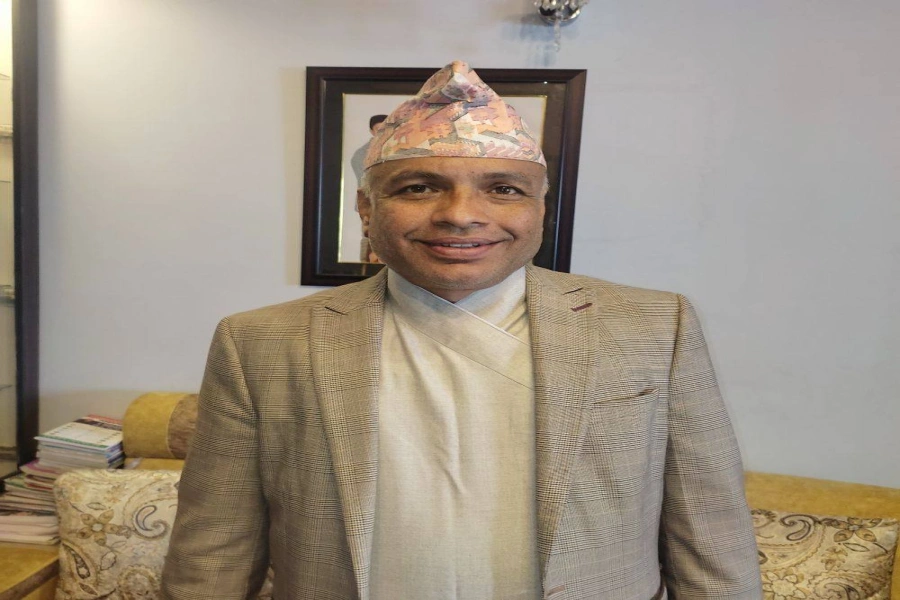
But as convenient as it would be to put all Nepalis in the same basket, it would be wrong to do so. This trait is more pronounced in civil services than in private businesses, many of which keep strict timesheets for their employees. And even among civil servants and public office holders, there are some notable exceptions like senior CPN-UML leader Madhav Kumar Nepal. The former prime minister has a reputation for being the first to arrive. It does not matter whether the gathering is a Cabinet meeting or a casual tête-à-tête with journalists. In a society where keeping to time is often laughed at, Nepal suffers for his punctuality. When he reaches meeting venues, very few people will have arrived, and he has in the past had to wait long hours for the rest of the pack to show up. Even within his own party, Chairman Jhalanath Khanal and another senior leader KP Oli are famous for keeping people waiting. It appears Nepal has had enough. On Saturday, after the ‘chief guest’ was made to wait for second program running on the day, he decided to speak up against this malaise in utter frustration.[break]
Nepal has a point when he emphasizes the dangers of this silent social menace. Employee tardiness has been found to cost companies billions in lost productivity. It also drags down company morale. If we equate the erstwhile Constituent Assembly to a company, it is easy to see why it failed to give the country a new constitution. Most CA members never attended important meetings of procedural and thematic committees. Even those who bothered to show up did so in their own sweet time. Many crucial CA sittings had to be adjourned after failing to meet quorum. These lawmakers had no sense of accountability towards the people, an irrefutable proof of their lack of commitment to a timely constitution. Over time, this sense of unaccountability tends to trickle down, to the lower rungs of the government and the society at large. It is the responsibility of government officials to put people’s hard-earned money to optimal use. They are committing a crime by squandering this precious resource. Unless the right precedent is set by bringing these tardy politicians, bureaucrats and civil servants to book, it will be hard to root out this social evil. Only when Messrs Khanal and Oli are made to realize the high personal cost of their tardiness will they think twice about wasting vital public resources. In that case, one suspects they would also stop keeping Mr Nepal waiting.
Related story
SEE results improve this year with over 61 percent examinees gr...