They also say that densely populated urban areas are at the high risk of fire during an earthquake. In the poorly planned and densely populated urban areas of the Kathmandu Valley, fire hazards resulting from earthquakes can cause huge loss of lives and property, including damages to the historically and religiously important buildings and monuments, because the government authorities have limited resources to tackle a massive fire. [break]
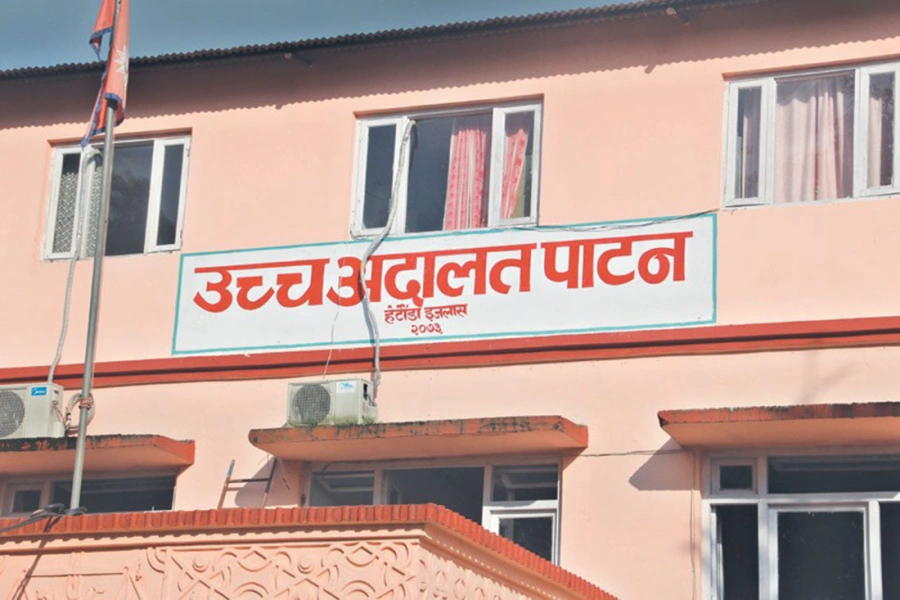
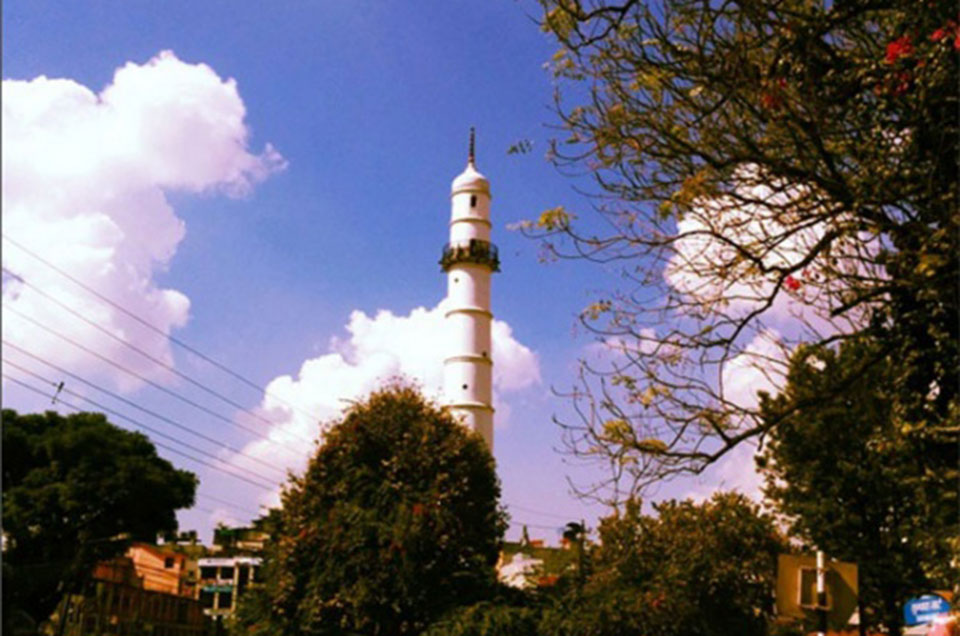
As part of the disaster preparedness program, the government is planning to form the first of its kind community-based volunteer fire fighting groups´ to protect the historically important Patan Durbar Square area in Lalitpur district from losses that may be caused by a outbreak of fire. The durbar square is enlisted as UNESCO World Heritage Site.
The Lalitpur Sub-metropolitan City Office (LSMC), in collaboration with Japan International Cooperation Agency (JICA), is all set to form as many as 17 Civil Firefighting Corps (CFC), volunteer groups involving locals for fire fighting in nine wards of the metropolitan in the vicinity of the durbar square.
"In order to minimize the effect of disasters, we thought participation of locals can be instrumental in managing fire in the historically significant areas. So, we are going to form volunteer firefighting groups," said Ram Prasad Dahal, chief of Disaster Preparedness Section at the LSMC.
According to him, the number of volunteer in each group of CFC will range between 8-22 members based on the density of population in a particular area.
"By the next six month, we will form CFC committees in all the nine wards and the committees will be an integral part of the Disaster Preparedness Ward Office formed in each ward of the district," he said.
He said that locals will be selected for the purpose and given firefighting training within the six-month period. Likewise, the LSMC is also seeking help from donor agencies for equipments like water pump sets and fire-proof clothes, among others, and also construct physical infrastructures like water reservoir tanks.
The budget for the CFC project is around Rs 40 million, he said. The ward office has been formed under the District Disaster Management Committee. And the committee has been recently formed by the government in all the 75 districts for rapid response in case of a natural disaster.
For the implementation of the CFC in the areas, the LSMC and JICA had conducted a one-year feasibility research in the wards in September, 2012.
"We studied about the availability of water resources in the areas. We had examined 361 wells, 14 taps, and six ponds. Of the total sources, only 17 wells have sufficient water to be used for dousing fire," said Dibyaswari Thapa, co-researcher of the research project.
"As the houses have been constructed close to each other, there is also a chance of fires spreading rapidly. So, the formation of CFC is very important," said she.
Due to the narrow road stretches around the durbar square area, fire engines takes 10-15 minutes to reach the site. The time interval is enough to ravage the historically and culturally important area. But the formation of CFC will be instrumental to nip the fire incident in the bud, she said.
"As it is a community-based project, locals participating in the CFC as firefighting volunteers know about the details of their neighbors. And it can also help to rescue and save lives," she said.
Dhakal maintained that the public in the areas are positive for the cause and the project will be able to set an example how public participation can really help to reduce losses during disasters.
Related story
Dalit and indigenous communities more vulnerable to monsoon-ind...