But other social constraints like wearing white dress and staying away from ceremonies continued to make them feel suppressed. Even as women, widow or not, still face several form of discriminations in many parts of the country, some of their lot were lucky enough to participate last week in an international conference on ´Enriching the journey towards empowerment of single women´, organized by Women for human rights and South Asian network for widows´ empowerment in development.[break]
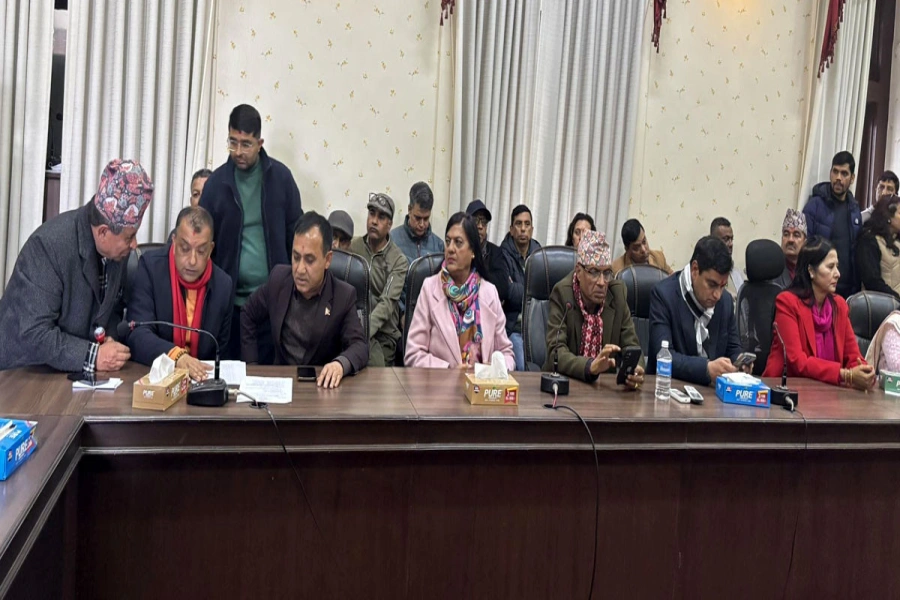
Nepalis and international participants from 16 countries had participated in the 3-day conference held at Radisson Hotel in Kathmandu from February 4 to 6.
National and international participants from Japan, Israel, Pakistan, Sri Lanka and Austria, among others, shared what it is like to be a widow in their countries.
Bimala Parajuli, Nepal
People´s attitude has changed but not much. Widows in our country are still treated very badly, mainly, by their own family members. Many families still do not permit their widowed daughter-in-law to wear red and bright dresses. But yes, people are more sensitive to the problem now. Some may act nicely out of fear of human rights organization, while others seem to have realized that widows are indeed equal to any other human being and deserve equal treatment and respect.
Barbara Gerboutz, Austria
As I come from a European country which is also a Christian country, life of a widow is not bad. There are good schemes and welfare programs for widows. But they generally suffer during their old age. Women are haunted by loneliness as life expectancy of women is 5.5 years more than that of males.
Dr Ferdous Ara Begam, Bangladesh
Women in Bangladesh are far more empowered today than in the past. But in rural villages, widows still suffer hardships and the reason is their financial dependency on others.
Dr Nasuma Hassan, Pakistan
Our religion allows remarriage. But many widows may not go for it due to their children. There is no discrimination as such just for being widow but the problem is women often have hard life without their male partners.
Khgathasan Sajeevan, Sri Lanka
Widows are discriminated against in my country. Men do not prefer to marry a widow. The government has some policies for the welfare of widows, but they are inadequate. People generally look down on women.
Milca Hanukoglu, Israel
In our country widows´ life as a whole is not very bad. But in some places, the society is deeply patriarchal and traditional, where widows really suffer at the hands of males. About facilities and compensation, war widows get far much than other widows.
Lula Belinfante, UK
There is no such discrimination in the UK. But as a whole there is gender discrimination. We do not have to fight for the rights of widows, but for equal representation of women in the government or decision making level.
Professor Donna T. Fujimoto, Japan
The government has policies to protect the rights of women, men, old people or children. But still we have noticed that feeble old parents are intimidated by their own children. In many cases, the children have forcefully taken away the property of their parents. So women do not suffer just for being a widow, but the older people are being made to suffer due to moral crisis among the new generation.
Related story
Prime Life, Union Life and Gurans Life ink a merger agreement