Have you ever noticed older people having tremors in their whole body, holding a walking stick, body slightly bent forward? You probably thought it was because of old age. It's not. It's Parkinson's disease. It is caused by a progressive impairment of neurons in the area of the brain known as the substantia nigra. Now can you imagine a young person, the same way? Probably not. But young people can also be diagnosed with Parkinson's.April 11th marks the World Parkinson's Day. This annual campaign is supposed to provide awareness and information about the disease. Unfortunately, no program is being organized in Nepal, and hence we are missing a platform where patients and doctors can come together and talk about the disease. No group has yet been formed for awareness about the disease.
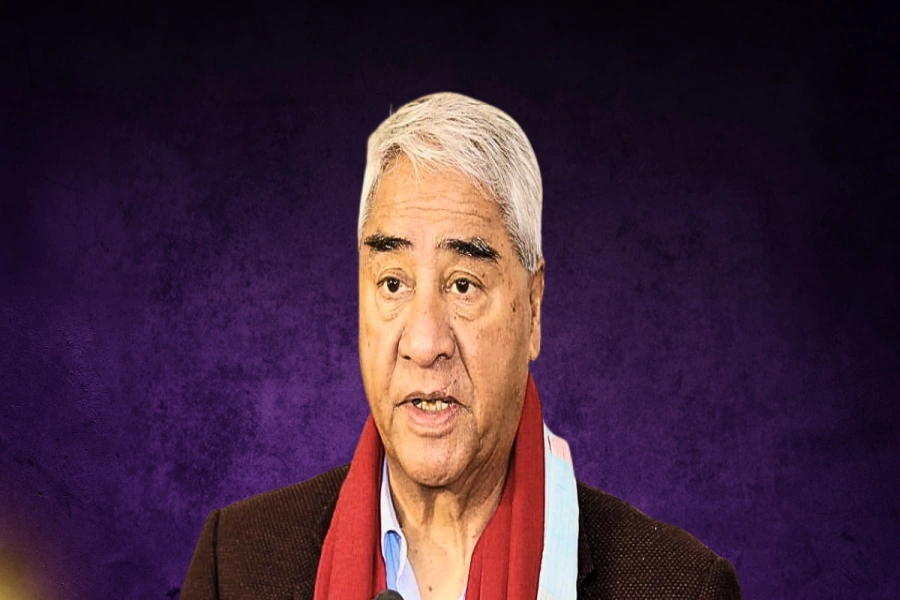
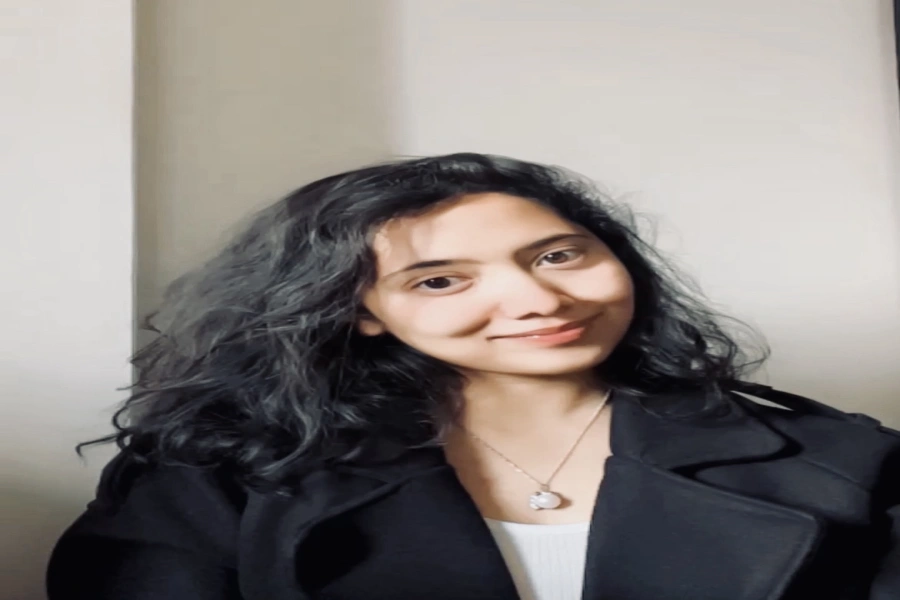
When comedian Madan Krishna Shrestha revealed that he had had Deep Brain Stimulation Surgery (the implantation of a medical device that sends electrical impulses to specific parts of the brain) as treatment for Parkinson's disease, many people asked: "What is Parkinson's?" I was already acquainted with Parkinson's as I was diagnosed with the same, six years ago at AIIMS, New Delhi. I have been struggling with the disease since.
It's sad that it takes a celebrity's diagnosis to raise awareness about a disease. Unfortunately, Parkinson's can't be seen in tests reports. Neurologists often base the diagnosis on symptoms. This is the reason Parkinson's patients go through years of misdiagnosis. Parkinson's is the second most common neuro-degenerative disease, yet many people in Nepal are not familiar with it. This is certainly my experience. It took 10 years for doctors to diagnose me. I had my first symptom when I was 17. I was 26 when I was finally diagnosed, after a number of wrong diagnoses.
Although Parkinson's is considered an age-related disease, it's not so. I have come in contact with a few young patients like me. There is lot of evidence of early onset Parkinson's in western countries. Lack of awareness is probably the reason there is less evidence of young people with Parkinson's in Nepal.
Parkinson's is a chronic and progressive disease that affects the movements of a person. It leads to consequences like difficulty in writing, balancing, walking and eventually swallowing and giving speech. Parkinson's affects more than one million Americans. In individuals under 50, it's about 50 per 100,000, and for people under 40, it's fewer than 5 per 100,000. People diagnosed at younger age are called young-onset. Though the disease is similar for both young and old patients, since young patients want to remain active, work and prevent the disease from taking over their busy lives, treating early-onset Parkinson's disease is challenging.
Nobody knows entirely what causes Parkinson's. However neurologists say it's probably a combination of genetic and environmental factors. The way it affects younger patients is slightly different than the way it affects old people. Young patients are stressed because they need to earn and take care of their children. Remaining independent when your body is not entirely under your control is difficult. People can develop problems with executive function, decision-making and judgment. Multitasking is difficult as well, so a job where you have couple of things to do at once can be tough.
Parkinson's usually starts with a tremor on one side of the body and then it spread afterwards, and muscles become rigid and the body bends forward. Patients will experience slow movements. Over the years the disease advances and patients gets more and more disabled.
Parkinson's is not diagnosed overnight. Patients go through years of frustration because of false diagnosis. I developed my first symptom when I was 17. It started with stiff hand while writing. One after another, symptoms kept coming: difficulty in balancing body, difficulty in walking, difficulty in holding slippers and many more. I visited physicians, orthopaedics, neurologists and even a psychiatrist but nobody could diagnose anything. Finally after 10 years of struggle I was diagnosed with Parkinson's at AIIMS.
Parkinson's has no cure. It progresses with time. Lots of medicines have been developed to control symptoms. Research continues and we could soon have cure. It is important that those with Parkinson's have good relationship with a neurologist and medical team with long-term commitment to this chronic disease. But in Nepal most people are still unaware of it. Without awareness, medications are useless. When you are not even diagnosed what's the use of those medicines?
Inspired by the Canadian actor, Michael J Fox, who was also diagnosed at 26, and has dedicated his life to raising awareness as well as funding research, I have been trying to form at least a support group in Nepal. Finally, after six years of my diagnosis, we are organizing a small event for awareness as a celebration of World Parkinson's Awareness Month. I hope this will be a start of a huge awareness campaign in Nepal.
The author holds a Masters in Business Studies from Tribhuvan University
banipoudyal@yahoo.com
Related story
No peace