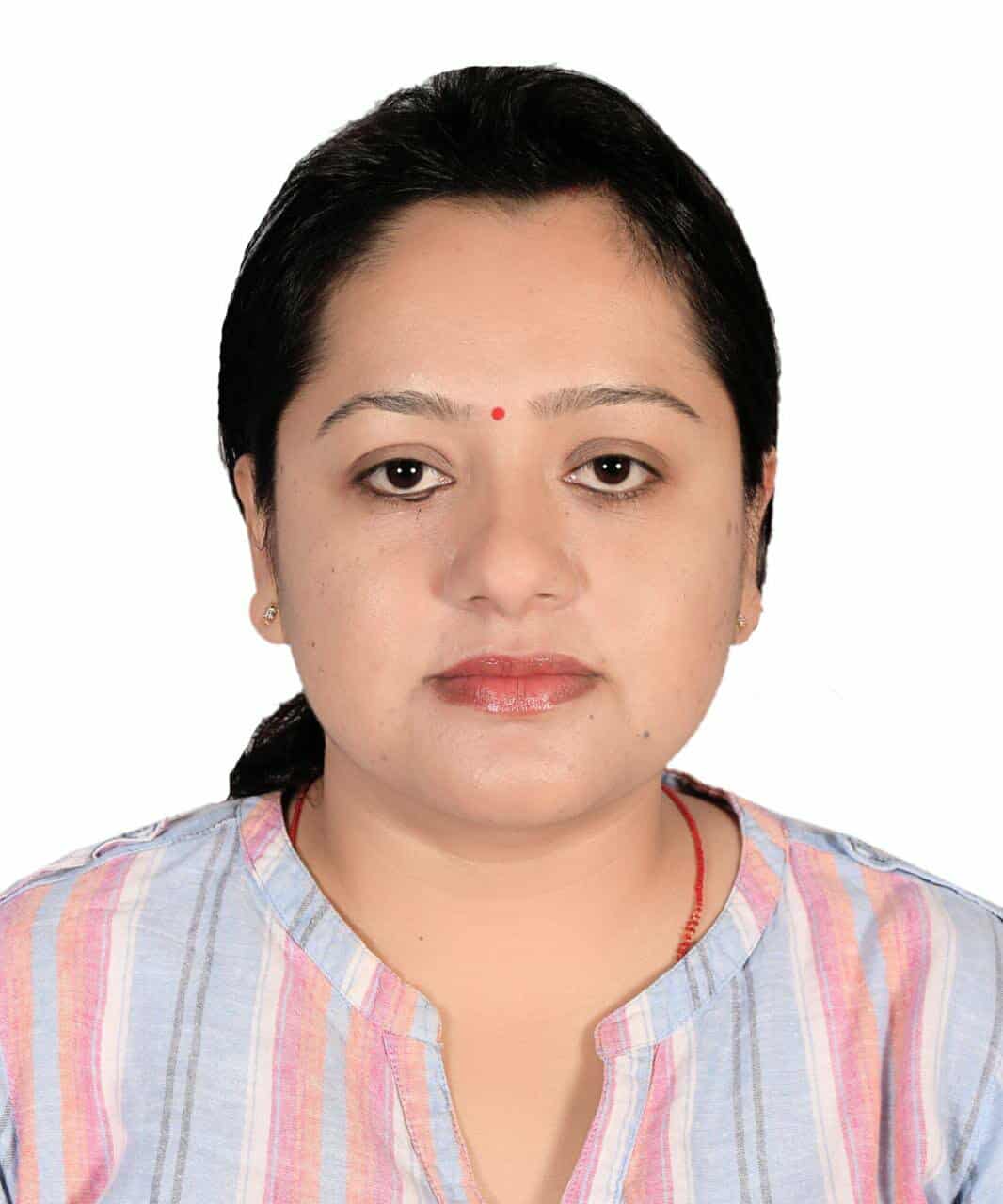
Suprabha was aware that she could get a proper treatment if she approached doctors. [break]However, the apprehension that neighbors would come to know about her affliction and start disliking her kept Suprabha from visiting doctors.
Suprabha could not hide her disease forever though. Soon, leprosy started eating away her fingers. "I was horrified when my fingers began to decompose," said Suprabha. "But, it was too late." Worse still, the neighbors learnt about her affliction and started to shun her.
In the rural backwaters of Nepal, leprosy is still considered a retribution for sins committed in previous life. And, Rukum is no exception. Nobody was ready to marry Suprabha. Worse, neighbors exerted pressure on Suprabha´s family to force her out.
Consequently, Suprabha was forced to live in an isolated shed away from her home. Suprabha led a life of recluse for more than a decade, surviving on what leftovers her family threw into the shed. "Today, I think," Suprabha, who went to the district hospital of Rukum only last week following a leprosy camp conducted in her village, said. "I could have lived a better life if only I had dared to go to the hospital earlier."
Similarly, Giri Raj Budha, a resident of Kada village in Rukum, had contracted leprosy 16 years ago. Giri Raj, too, decided to hide his disease only to avoid local people´s contempt. "I did not go to hospital," he said, adding, "Instead, I approached faith-healers."
It was only when doctors from district headquarter of Rukum conducted a health camp for leprosy patients in his village that Giri Raj exposed his disease. Now, Giri Raj has started taking medicines.
Dozens of people affected by leprosy have been hiding their diseases for many years. They fear that locals would shun them if they reveal their affliction as many leprosy patients, whose sufferings are exposed in public, have been forced to live in dingy sheds.
In various leprosy camps recently conducted in 12 villages of Rukum, only 19 persons came for treatment. Of them, eight were diagnosed with leprosy.
However, they were not ready to go to district hospital for treatment. "They turned down our offer of free treatment in hospital," Assistant Health Worker Dipak Bista told Republica. "We could persuade only two persons."
Related story
India on verge of series sweep as South Africa crumble again