In a conversation with myrepublica, Dr Rawat talks about the risk factors and the emerging trends of heart attacks in conjunction with the World Heart Day on September 26.
What are the plans for World Heart Day this year?
This is the 10th year celebration. This year, we’re celebrating not for a day but continuing it for two weeks. We started one week before and are going to continue it a week after. We’re selling screening packages for Rs 200. This is to screen people [at a minimal cost] for all possible risk factors leading to heart diseases – one’s weight, blood pressure, blood sugar level, cholesterol and ECG (electrocardiography) – and guide the person.
Apart from these, all cardiac patients will be offered discounted treatment during these two weeks. Also, with all the patients we operated last year, about 300, we’re trying to do a get together so that they know about the disease, and the quality of life they can and they should live after the procedure. And they should also meet each other and know what others are doing, that they’re not isolated.
What are the major facts one should know about heart-related diseases and heart attacks?
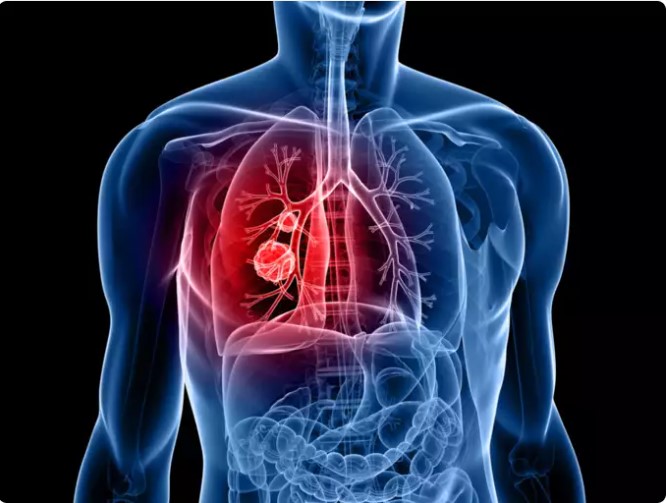
Basically, regarding heart-related diseases, one should essentially know it is either genetics or lifestyle. The risk is almost 10% among adults in urban areas. Already 10% of the adult population is expected to have developed heart disease in a city like Kathmandu, which is pretty alarming.
Essentially, a heart attack means a sudden complete occlusion of one of the arteries supplying blood to heart muscles. Heart attack means death of a part of a heart muscle because of a cutoff of blood supply which occurs because of a clot formation in one of the arteries.
The first treatment would be to take a blood thinner, such as aspirin, which can dissolve this clot so the blood can start flowing. The patient should keep two tablets of
aspirin with him. It’s been approved by studies that as much as 25% of risk of death because of heart attack can be reduced by just taking two tablets of aspirin. And then rush to the hospital. Don’t try to take telephonic treatment, rather go to a hospital that has a 24-hour emergency service.
In Nepal, how vulnerable are people to heart-related diseases and heart attacks?
The risk is about 4 to 5% in rural areas and about 8 to 10% in urban areas. This is the same as in other South Asian countries. This is happening like an epidemic. At Norvic, the age group we’ve treated is: 4 % were less than 40 years, 60% were between 40 to 60 years, and 19% between 16 to 69, 14% between 70 to 79, and 3% were over 80 years. And 87% of them were male and 13% female. The youngest patients I’ve treated is 23 years, and the oldest was 94 years. Now we’re able to save more than 95% of patients who come to us with heart attack.
This year’s World Heart Day´s is “I work with Heart.” How do you explain this?
This signifies that this is my responsibility to see what I can do at my workplace for my heart. It’s essentially that you take care of your heart and health at your workplace because we spend so much time at work.
Simple tips like what type of canteen we have, what kind of snacks do we eat, putting a no-smoking or no-tobacco board in the office, having a weighing scale, and some exercise machine are what one can do at the workplace. Also, you can avoid using elevator and have a doctor affiliated to the office who can come for periodical general checkups. If one follows these small tips, one can take care of their hearts.
This is more focused in workplaces because most of our waking hours are spent at work. So this idea is about that it’s possible to take care of the heart and health at work. Health is something you need to be conscious about throughout the day. And even while at work, it’s possible.
Anything about the World Heart Day you’d like to say in conclusion?
Dashain is coming. So let’s celebrate it in a way that we don’t spoil our health and let’s not try to drive every pleasure of life through food and alcohol only. During the festival season and otherwise, don’t force others to eat. We should stop expressing our love by forcing people to eat. This festival season, make some resolutions, like, “I’ll watch my food habits and follow my doctor’s instructions.’
(Dr Rawat gives free consultations on Fridays from 10 am to 5 pm at Norvic International Hospital, which also has a screening package at Rs 200 for heart-related risks on the occasion of the World Heart Day.)
Related story
‘Awareness among people on heart diseases has improved in Nepal...