Adulteration has also been found in other food commodities like ghee, butter, edible oil, pulses and packaged spices, according to the report.[break]
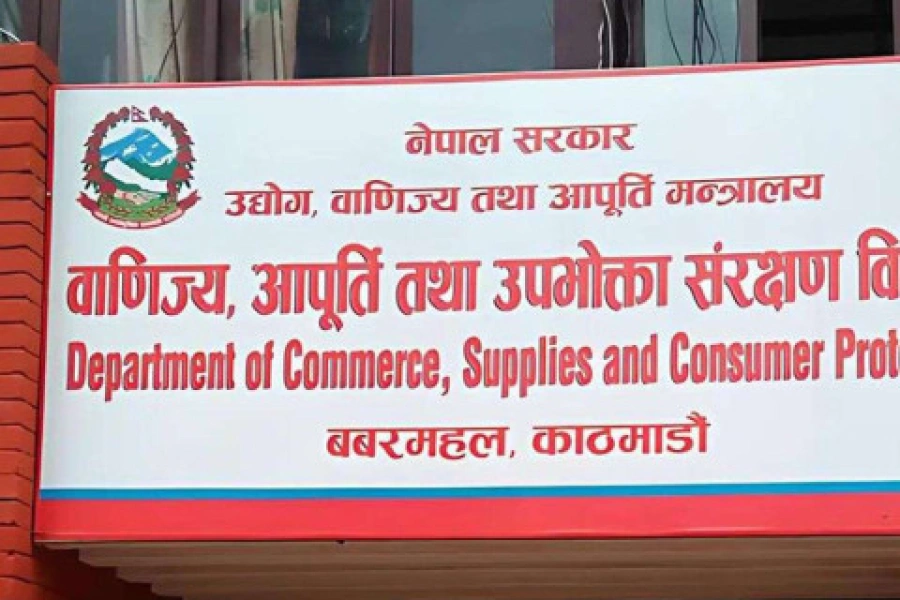
The department on the day made public the findings of market inspections that it carried out in 2012/13. Of the 47 processed water companies inspected by the department during the period, contamination was found in products of 14 companies. The department has filed 19 cases against 14 companies for cheating consumers. Similarly, it has filed 14 cases against nine dairy producers.
The department had monitored 18 dairy companies in 2012/13.According to Pramod Koirala, spokesperson for DFTQC, cases have been filed against Pashupati Spring Water Industry, Aqua Mineral Nepal, Real Mount Everest Beverage, Danfe Mineral Water, Swastik Beverage, Nirjal Reverse Osmosis Water, Greenland Mineral Water and Beverage, A B Beverage, Kanchaunjunga Baby Mineral Water and Beverage, Pabitra Gosainkunda Khanepani, Shangrila Spring Drinking Water, Dolphin Industries, Shree Jal Water, Manjushree Ganesh Himal Khanepani and Shree Krishna Beverage.
Likewise, the department has also filed cases against Sainju Dairy, Rajhdhani Dairy, Adhunik Dairy Products, Sitaram Gokul Milk, Sanjivani Dairy, Idea Plus Dairy, Kharipati Dairy, Bhaktapur Dairy and Himalayan Dairy.
The department has filed cases against 12 water companies and two dairy producers that it monitored between mid-July and August.
Besides milk and water, DFTQC has also filed case against Patanjali Ayurvedic for selling salt with lesser amount of iodine. “Salt must contain at least 50 parts per million (ppm) of iodine in a one kilogram pack. Patanjali was selling salt with lesser amount of iodine,” added Koirala.
Cases have also been filed against Boudhanath Ghee Industry, Dattatraya Dalmoth Industry and Birendra Gupta Udhyog, among others.
“We have filed cases against companies that have played with customers´ health by supplying adulterated products in the market. Action has also been taken against companies found operating without license,” Jeevan Prabha Lama, director general of DFTQC, told media people.
According to the report, the department collected 3,244 samples from the market during the fiscal year. It conducted inspection for 1,468 times in different industries and 1,176 times in hotels, restaurants and sweet shops.
´Disposal of expiry products difficult´
Jeevan Prabha Lama, director general of DFTQC, said the department has been facing problems in getting rid of expired products collected during market inspection.
“We don´t have any standard regulation on how to deal with the expired products,” Lama added. “Haphazard disposal of expired products might cause health hazards.”
At present, the department is burning such products, burying them and even throwing them in rivers.
“We do not have clear guidelines on what technique to use to get rid of such products,” Pramod Koirala, spokesperson for DFTQC, said, adding that the department was exploring eco-friendly methods to destroy expired products.
Related story
Dairy products, processed water top DFTQC's non-compliance list