Renowned Indian journalist M J Akbar has explained the contradiction of fundamentalism very succinctly. One of the greatest contradictions of fundamentalist politics, according to Akbar, is that it cannot deliver on the basic problem that provoked its rise – economic deprivation. Maybe the proletariats realized that early on. Be it promoting nepotism through an appointment of a sister with a degree in microbiology in the planning commission by Hisila Yami or the foot soldiers dividing the pie in Dang, they have embraced vices they vouched to eradicate pretty well and without wasting much time.
The line between politics and criminality has become so blurred that checking criminalization of politics and corruption is becoming impossible. The state is increasingly being looked upon as something that is there for everyone to loot.
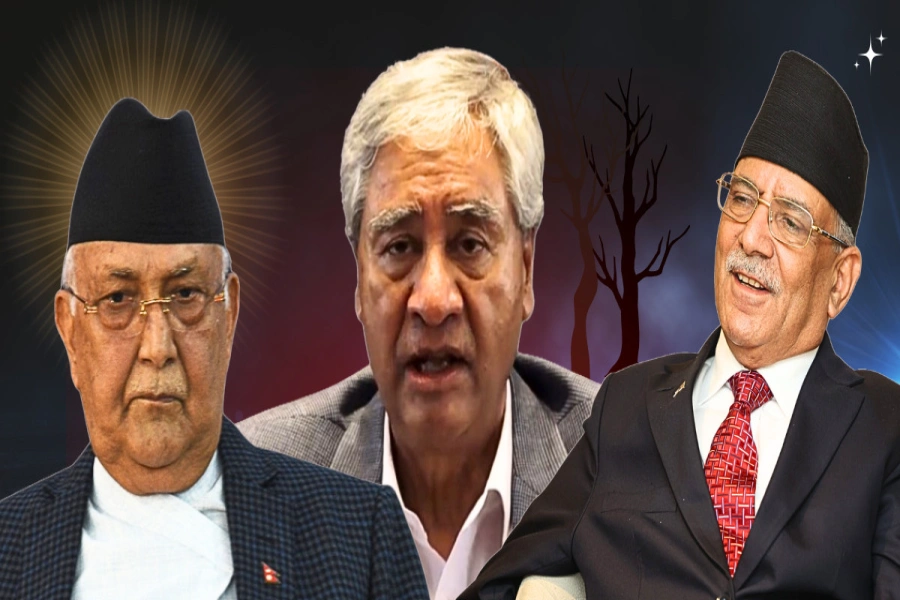
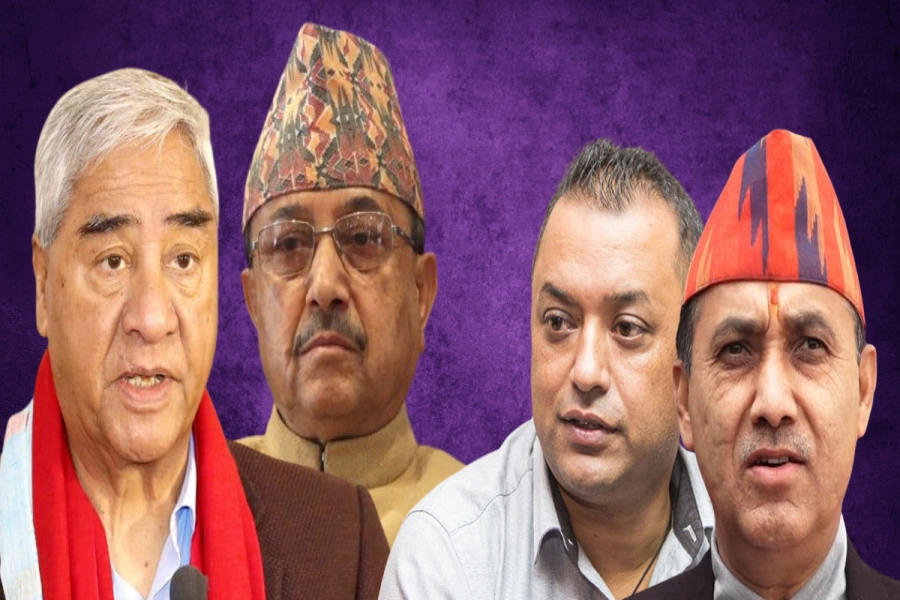
It is not only the poor local politicians trying to establish a foothold in politics who are engaged in looting the state; the so-called top leaders of major political parties have not given up their right to loot the state altogether. Madhav Kumar Nepal’s government is planning to waive arrears worth Rs 10 million incurred by former prime ministers and ministers over the last two decades. Except for Krishna Prasad Bhattarai, all former prime ministers of the last two decades are in the list. The timing cannot get better because PM Nepal himself is in the list for the generosity he exhibited during his stint as a deputy prime minister of the country some years ago.
When it comes to looting the state, consensus does not evade them. And, they really are getting sophisticated at it. All-party unity in draining the state’s coffer is not something that is local to Dang. Lately, this has been happening in every nook and corner of the country. But what is surprising is that how quickly the proletariats and groups fighting for ethnic empowerment learned the game of the “feudalists” and “colonizers.” No wonder, the country slips in the corruption index. Corruption in Nepal has worsened over the years. From 121 positions in 2008, it slipped to 143 ranks in the Transparency International (TI) 2009’s ranking. With this pace, we will soon be surpassing Afghanistan, the only nation more corrupt than us in South Asia. Not only in corruption, we might also soon surpass Afghanistan in violent crimes. In the name of inclusion, mindless zombies like Karima Begum, who take laws into their hands and shamelessly justify the wrongdoings, are made ministers. What do you think the likes of Begum would do if and when they fail to get elected in future? Retire gracefully and lead a life of law-abiding citizens?
It is not the likes of Karima Begum who decide on inclusive agenda. They are there to make noise and warm benches. Who gets what is decided somewhere in the dark corridors. As if opening the political space for the likes of Begum was not enough, Madhav Kumar Nepal’s government has decided to withdraw nearly 286 cases, of which 200 were murders, against various individuals and groups. The line between politics and criminality has become so blurred that checking criminalization of politics and corruption is becoming impossible. The state is increasingly being looked upon as something that is there for everyone to loot.
Political instability and crime grow when political corruption becomes acceptable. This is what happened in Bihar. Bihar, after independence, in 1950, was India’s third-richest state. And, now, it is now one of India’s poorest states. It has become a byword for lawlessness, corruption, mafia-styled politics, communal fiefdom and underdevelopment.
Crime and corruption will get worse in Nepal in the coming days and years, as politicians, both self-proclaimed messiah of the proletariats or ethnic minorities, have joined the old players, whom they fought to replace in looting the state. As the politicians get sophisticated and the state’s resources to loot upon get scarcer, these politicians will shift their target from the state resources to private properties. There are four ways for citizens to safeguard their property: (a) do it yourself (b) do it in mutual association with others (c) do it by hiring others (d) and do it through the state. As the first and the fourth options are virtually inapplicable due to the absence of the state’s presence and criminalization of the politics, citizens basically have two choices: (a) associate with the radicals/criminals or (b) hire them to do so to safeguard their property. Criminalization of politics and political corruption are damaging for any society. If allowed to flourish, they will not only destroy the very fabric of the society but also negatively impact development. Corruption is inversely related to growth.
Madhav Kumar Nepal government’s decision to waive the arrears incurred by former prime ministers and ministers should be challenged in the Supreme Court. Sustained control of political corruption requires a consistent demonstration of genuine commitment on the part of the top political elite towards the eradication of the menace. In the case of Nepal, it is the other way round. There is a consistent demonstration of camaraderie among the top political elite to perpetuate the menace. They are more interested in playing a “tolerant corruption” game rather than exhibiting “zero tolerance for corruption.”
Nepal may not come out of revolutionary mode anytime soon. The politicians of yesteryears have not given up their dirty tricks and corrupt mindset that pushed multiparty democracy to a dysfunctional state and the new luminaries on the block have picked up the very same tricks and tactics used by the people that they fought to replace, and that too, very early on in the game. It is increasingly becoming clearer that Nepal not only faces the danger from the ones that want to collapse the state but also from the ones that claim to safeguard the state from collapsing. Both the sides increasingly appear to be dishonest and corrupt.
hbdulal@gmail.com
Related story
A troubling nexus between crime and politics