Sadly, however, the possibility of governments agreeing to bring down CO2 emissions to the safe upper limit looks dismal as of now. While there is universal agreement that the threat of climate change is real, it’s unfortunate that deep schisms still prevail on ways to address it. Developing countries such as China, Brazil and India maintain that they should be exempt from binding emissions cuts and international monitoring while developed countries like the United States want to tie them to numerical targets. Developing countries argue that they would not do anything that would curtail their growth and that developed countries, which produced most of the heat-trapping greenhouse gases on their march to modernity, should bear the costs of fixing the problem.
There is no denying that the precarious condition of the world’s climate today is primarily a result of intense industrial activities of the developed countries in the past 200 years. This naturally implies that they have to bear the major share in rectifying the mess. However, it does not in any way exempt developing countries from continuing to tread on a path that would destroy the planet. The planet belongs to everyone and they do not have the right to harm it in the garb of development. Moreover, what is the use of development if it leads to inhabitable climatic conditions making it impossible for us to enjoy its fruits?
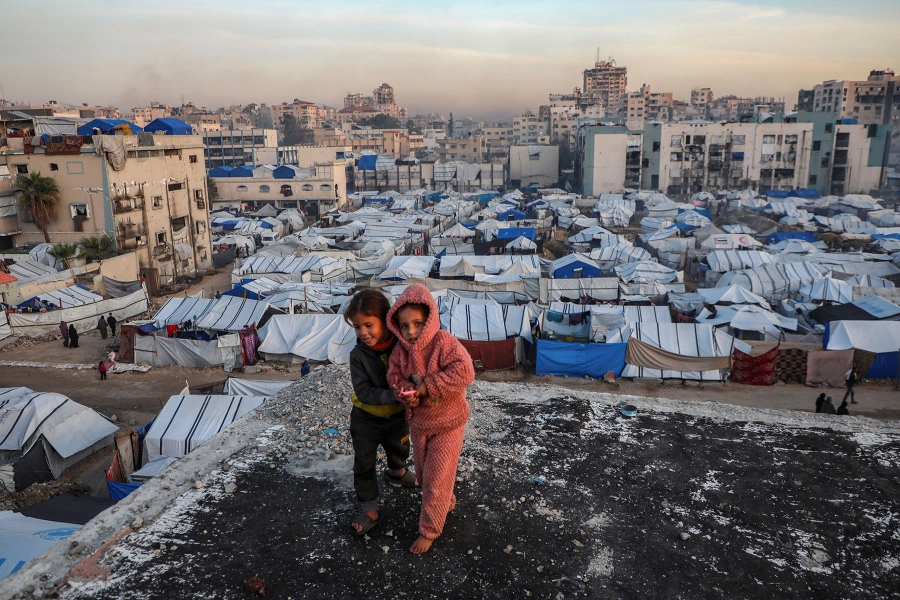
It’s sad that poor countries like Nepal, which has neither contributed nor is contributing to damage the climate but has to equally bear the brunt of global warming, stand nowhere in this showdown between the developed and emerging economies. The Copenhagen Conference is the right platform for poor and underdeveloped countries to stand up united and demand compensation and funds both from the developed and emerging countries to invest in clean energy. Last but not the least, we hope that common sense will prevail and that leaders from across the world will be able to secure the future of mankind by agreeing on a solution to address the menace of climate change at the December summit.
Related story
SHIFT for Our Planet: Youths urge authorities to make climate j...