She entered politics when she was in her early teens and there was no looking back from then on. She came to the limelight in 1960 for showing a black flag to the late King Mahendra, an absolute monarch, at a function in TundIkhel. Inspired by legendAry party leader BP Koirala, who was also her maternal uncle, she devoted her whole life to the cause of democracy. [break]
For the last few years, she had been suffering from the debilitating disease Alzheimer´s, and she breathed her last on Friday, aged 65. Doctors at Tribhuvan University Teaching Hospital declared Nepali Congress leader and first woman deputy prime minister of Nepal Shailaja Acharya dead at 4:25 a.m.
Acharya wasn´t a successful politician in the ordinary sense. Perhaps she was never meant to be. She was too clean, too blunt and unbothered about how others saw her or thought about her. That left her a lone crusader upholding morality and integrity in politics. But that also cost her the allegiance of party cadres that is needed to succeed in party internal politics.
Acharya may have lacked practical political skills, but she possessed three important qualities - boldness, integrity and sacrifice.
Impressed by her boldness in showing the back flag to an absolute ruler amidst tight security, her political mentor BP Koirala wrote in his posthumously published book Jail Journal: “That was an act of great courage, which human beings rarely exhibit for the attainment of great causes.” She was jailed for three years for that act of defiance. Koirala recalls her integrity and loyalty to the party in several pages of that book and his autobiography.
Acharya was a woman of high integrity and that nearly turned her into a political misfit. After being elected from Morang Constituency-1 in the 1991 parliamentary elections, she become Minister for Agriculture and Cooperatives in the NC´s majority government led by party president Girija Prasad Koirala, but she had to step down a few months later when she said publicly that corruption was rife in her ministry and demanded the formation of a parliamentary investigation committee. “She chose to resign rather than furnish an explanation to the prime minister for her remark,” recalls NC leader Nabindra Raj Joshi. “She remained a political figure who never hankered after money and personal aggrandizement,” he says.
Acharya never married. She did not have offspring to light her funeral pyre. Her brother Pradip Acharya performed the last rites. “Her whole life was devoted for the cause of democracy and service of the country. It is a great sacrifice,” says NC leader Dr Shekhar Koirala.
Throughout her life Acharya remained a staunch supporter of the ideology of Democratic Socialism and the principle of reconciliation. Times changed rapidly, then king Gyanendra staged a coup on Feb 1, 2005, and the political parties mulled a working unity with the Maoists to overthrow the monarchy. But Acharya stuck to the principle of reconciliation with the king, as espoused by her political guru BP Koirala who returned to Nepal from exile in India to reconcile with the king rather than bow to foreigners.
But she could not adjust herself to the state of flux and she was labeled a supporter of active monarchy. When she was nominated Nepali ambassador by the NC president Girija Prasad Koirala-led interim government in the aftermath of April apprising, she had to defend herself before a parliamentary hearings committee with tears in her eyes as some lawmakers accused her of being a monarchist.
Leaving aside political ups and down, Acharya had a vision for the country. Inspired by the book Small is Beautiful written by renowned British economist EF Schumacher which BP Koirala also loved to read, she was for developing micro-hydropower and issued licenses for that when she was Minister for Water Resources. “The county could have faced a greater power crunch had she not done that,” says NC leader Joshi.
Acharya is no more but the country will long remember her for being one of the first woman politicians to attain such heights in national life.
“She is gone, but the country and the party will remember forever for the sacrifice of her whole life to democracy,” says Dr Shekhar Koirala, a close relation.
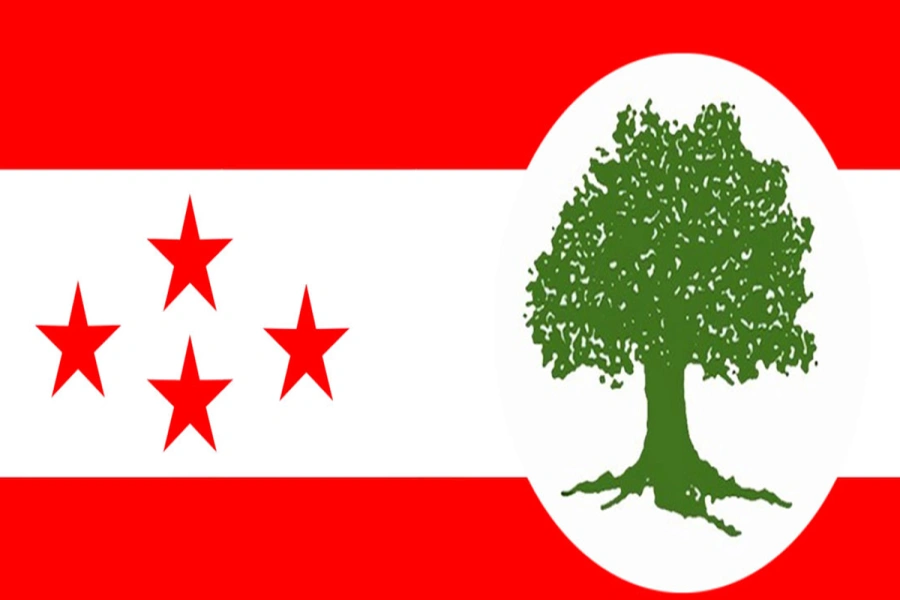
Acharya´s body was kept at party headquarters at Balkhu draped in the party flag before being cremated in the afternoon at Pashupatinath Aryaghat where party colleagues and relatives gathered to pay their last respects. A Nepal police band played somber music and the Nepal army fired a nine-gun salute as part of state honors for the departed leader.
Related story
Of farmers and fields