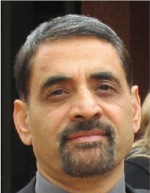
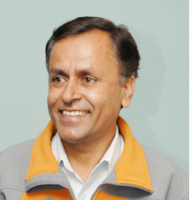
A few years ago, the Dhulikhel Hospital conducted an Ophthalmology Camp at Shree Shivalaya School where Nabin was teaching. It gave Nabin an idea.
“I heard through them about the importance of general health in schools, and I was really interested in the matter. So we started to implement a health awareness program.”
With the support of the hospital, Nabin was able to start up a School Health Programme at Shree Shivalaya to educate children on the importance of basic hygiene, and how it can prevent illnesses.
Samita Giri, the School Health and Women’s Health Programme Coordinator helped Nabin kick-start the program. “School children are the future generation, so what better way than to promote the message of health through them to take home to their parents and elder generations?”
Nabin could not agree more. “We gather students to help promote the message of hygiene and sanitation throughout the village, too.”

In a country where many children are exposed to waterborne diseases everyday because their schools do not have proper sanitation facilities, it seems obvious that they are the best messengers.
Health and hygiene are still serious issues for people in villages such Bolde which, while located in the devastatingly handsome hills of Timal, is still cut off from basic healthcare and transportation up to three months of every year during the rainy season.
Basic hygiene is slowly being introduced into the school curriculum due to the efforts of various NGOs, but there is still a long way to achieving even the most basic sanitation standards for children in Nepal; 59% of community schools here still have no toilets, and half of all child mortalities worldwide are due to diarrheal diseases.
Nabin explains that it is not always the lack of access to sanitation that hinders the widespread education of health in the villages. “Five or six years ago, a German NGO came to build toilets throughout the village, but only now villagers are using them. They never knew how to use them before. Now because of the School Health Clubs we’ve been running, children are starting to use the toilets properly in their own homes and they [explain] to their parents, ‘You should flush like this.’ It has started to change their lives.”
In a country where only 37% of the population says they wash their hands with water after going to the toilet, improving standards of hygiene may seem like a difficult task. Still, Nabin is hopeful because he believes that through educating his students first, the message will gradually find its way home. “Health awareness programs were the first step we took towards educating everyone.”
He is a huge advocate of the after-school School Health Club, which children participate in of their own free will. Those who attend have been known to carry the information on to their friends and families.
Darash Man and Dawa Tamang, both 18 years of age, are keen messengers of health through the School Health Programme. Both have stressed the importance of how getting information on basic hygiene to people in their community is vital to the development of the village.
“As representatives of our class, we want to be trained in as much as possible about health,” says Darash. He is proud of being able to go home to his family and friends and tell them after each Health Club meeting what he has learnt and why hygiene is crucial to good health. Dawa adds, “We need to teach our classmates what we’ve learned because they don’t understand sometimes how important hygiene is.”
A total of 13 students regularly attend the School Health Club at Shree Shivalaya, and the ages of the students range from 12 to 18 years. To motivate students in learning about health, every week there is a special agenda planned.
“The school organizes extracurricular activities every Friday; sometimes it’s a plantation program; sometimes there are cultural programs, sometimes it’s an essay competition. It’s all to promote health issues,” explains Darash.
Both boys have already put their education to use. “After we received training on hygiene and sanitation, there was a dumpsite in the village which my friends and I cleaned up,” Dawa says, while Darash silently bobs his head. They both admit that the problems their village faces are to do with illiteracy. “But People are now aware of not using it as a dumpsite, and they know who we are now, too. So the message is easier to carry across.”
The School Health Programme has served to enhance the community’s understanding of health and hygiene by giving the correct materials to the right people. Students such as Darash and Dawa, with the support of teachers such as Nabin, have made a difference, not just in their own homes but many other homes, too.
But is their work done?
“We want to learn First Aid before we finish school, so that eventually we can teach it to everyone,” Darash says to which Dawa nods his head enthusiastically.
Proof then that a messenger’s work is never finished. The next one is always looming ahead.
Related story
MoE seeking alternative to district education offices