For Nepal Tourism Year 2011, the Gorkha Tourism Board in collaboration with Nepal Tourism Board (NTB) is working to establish a trekking route from Manakamana to Gorkha for both domestic and foreign tourists.[break]
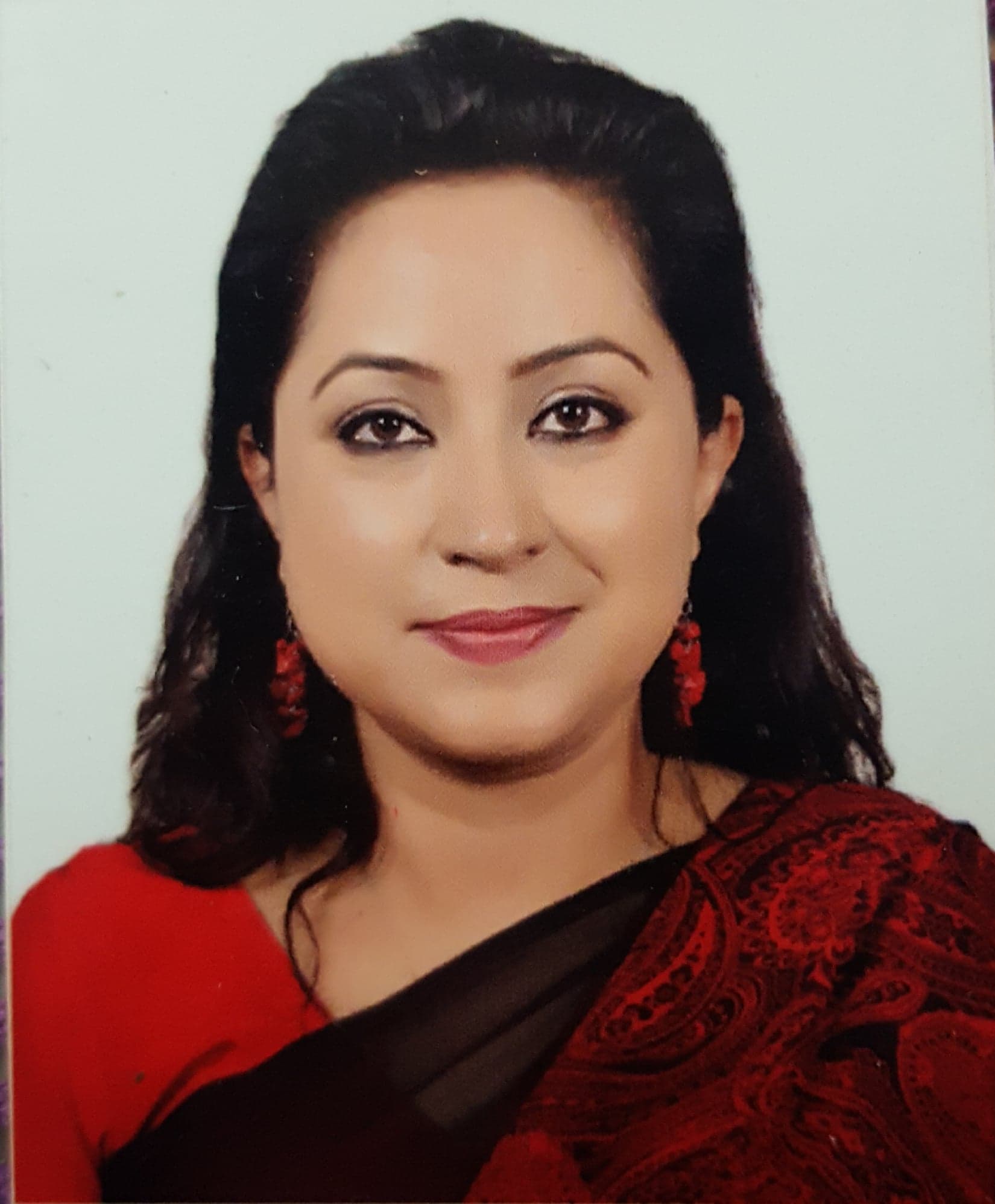
“We’ve thoroughly explored the route,” informs Puspha Thapaliya, the President of Gorkha Tourism Board.
The 25km trek from Manakamana leads to sparsely populated villages, historically and religiously important sites, forested areas with chautara-s (resting places), picturesque sceneries, and lots of stone-slab stairways before reaching Gorkha.
“The Board is working to introduce two packages for the trail,” informed Thapaliya. A two nights/three days package includes a night’s stay in Magar Gaun of Manakamana, and a 19km hike to Bungkot the next day, with an hour’s bus ride to Gorkha Bazaar, and an overnight stay there.

A three nights-four days package includes an additional night’s stay in Bungkot and another 6km hike to Gorkha Bazaar instead of the bus ride.
The idea for the first day, after getting to Manakamana, is a home stay at Magar Gaun of Betani Village, a similar itinerary introduced in Bandipur. A similar idea is in the pipeline for Bungkot, the hometown of the country’s first martyr, Lakhan Thapa.
“We’re sharing ideas and trying to involve people from the grassroots level for this,” says Thapaliya.
About half an hour of downhill walk from the temple complex, Magar Gaun is a blend of modern and traditional elements. Rich in local cultures and traditions, houses in this village have tin roofs adorned with traditional Magar musical instruments. And the community’s upbeat Chudka dances and songs have the ability to charm visitors.
Similar cultural performances wait in Bungkot, too. Promoting such intangible cultural heritage can be the right tools to preserve them and simultaneously demonstrate the villages’ cultures to foreigners.
According to the villagers, they are ready to provide home-stay services to tourists to generate extra income. 70-year-old Rajindra Magar, a local resident, informs every house has its own toilet.
During the tenure of Dr Baburam Bhattarai as finance minister, the trail saw an investment of nine million Rupees to lay stone slabs. However, some stone stairways have already been covered with shifting earth and will need maintenance.
Like any other place in Nepal, the trail is surrounded by myths and legends which can be a subject of interest to tourists. After an hour of uphill walk, two sites of historical and religious importance appear — the Bakreshwor Temple, and the cave of tantric Lakhan Thapa, not to be mistaken with the martyr Lakhan Thapa of Bungkot. Legends have it that if mute children are taken to the Bakreshwor Temple, they will be able to speak.
To showcase their mysteries to best effects, conservation measures and pamphlets with information of the sites are required.
The walk onward from these two sites is the most difficult on the trail. There is no sign of modernity for some four hours, and the trail is yet to see tourist infrastructure—no shops for refreshments or lunch, for instances. Signboards should be in place for direction to allow proper trekking tempo rather than leading the visitors to confusion.
Adds Basnet of Jomson Travels and a Gorkha resident, “As the trail leads to sparse jungles rich in different species of plants and trees, information can be provided to the trekkers for more interactive walk.”
Along with other Himalayan ranges, the trail also provides a view of such peaks as Manaslu and Ganesh Himal during autumn (September-November).
After four hours of isolated walk, the Tin Maney village appears, and with it the potentials to establish itself as a lunch and refreshment spot. However, shortage of drinking water in this village is a challenge which must be met.
Moving on, a further three and a half hours of hiking through narrow alleys, maize fields, and stone slabs finally leads to Bungkot. The martyr’s village is a settlement of different caste groups—Magars, Brahmins, and Dalits – and locals here are enthusiastic about promoting tourism.
Bungkot is also the hometown of Jaya Singh Chumi, who was killed along with Thapa during Jung Bahadur Rana’s premiership. Thapa was a Nepal Army soldier who started a revolt against Jung’s dictatorship. Chumi played a part in the rebellion.
Remnants of Thapa’s palace are still found at the site where at present, Shree Lakhan Thapa Primary School stands.
“Six years ago, during the installation of Thapa’s statue, we unearthed water taps and two small pillars on this spot where once stood the palace of Lakhan,” notes Ramesh Thapa Magar, a teacher at the school. Among the pillars, one has inscriptions that resemble Devanagari scripts hard to decipher.
The teacher adds that the government has yet to follow up in examining the site, and no research has been conducted.
*****
From Bungkot, it is either a 6km hike to Gorkha the next day or an hour’s bus ride to reach the ancestral home of King Prithvi Narayan Shah, the unifier of Nepal.
For religious purposes, domestic tourists in large numbers visit the area, according to Nani Babu Pokharel of the Department of Archeology. Additionally, the historical site also carries much potential to attract foreign tourists if upgrades are carried out.
Highlighting basics needs, Thapaliaya, himself a resident of Gorkha, comments, “The Durbar area needs an information center, resting places, and restrooms.”
Security for the historical sights is also an issue. To cite an illustration, King Ram Shah’s legendary chautara, from where it is believed he dispensed on-site and prompt justice to petitioners, is in need of care. Similarly, Ram Shah’s statue has been moved to the Gorkha Museum (Tallo Durbar) after it was vandalized.
Nevertheless, plans for enhancement are underway. From this year’s Chaite Dashain, Gorkha will see the revival of the Lig Lig Kot race. History has it that by running this particular race in the 14th century, Dravya Shah became the king of Gorkha. However, after his win, he discontinued the race and started the Shah Dynasty’s rule in Gorkha.
But in the coming days, a democratic approach will be in place.
“The race will be open to locals and visitors alike, and the winner will be declared the tourism ambassador,” states Thapaliya.
Related story
Royal Trek being promoted during Visit Nepal Year 2020