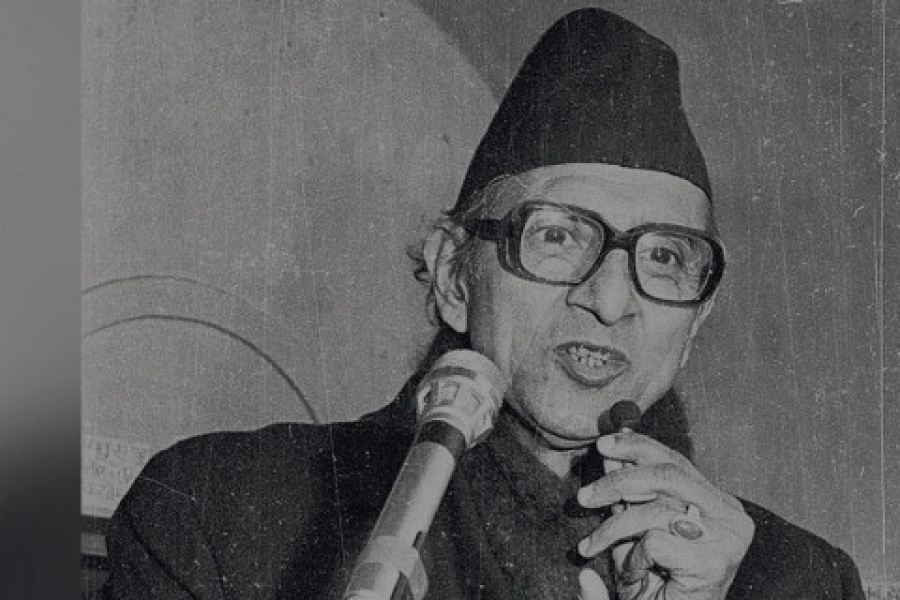
Their suggestion came a day after the Panama papers leak that has also fingered 7 Nepalis having partnership firms in several tax havens. "Though the issue will not have any impact on Nepal at present, it will definately have adverse impact on revenue mobilization in the future," said former chief secretary Bimal Koirala, speaking at an interaction on Tuesday.Citing the recent example of how the government is unwilling to charge capital gains tax on the sale of TeliaSonera's ownership in Ncell to Axiata, Koirala asked the government to start tracking the money.
"The Panama papers should be a lesson for the government to make its law strong enough to prevent such illegal flow of money."
The names of the seven Nepalis mentioned in the Panama papers have yet to be disclosed.
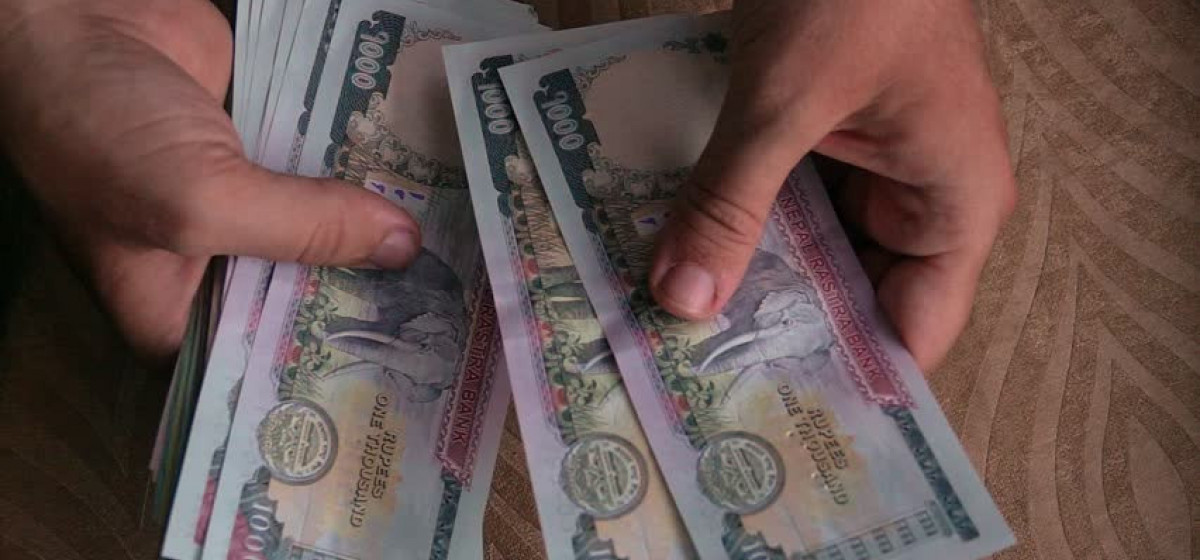
Koirala suggested to the government to bring all manner of earning under the tax net so as to prevent money laundering. "If the government fails to bring strong legal provision to curb illicit flow of money, drug peddlers and armed smugglers could misuse the country for stashing their illegal earnings. Such earnings from corruption and tax evasion is sent to offshore firms and back channeled to the country under the pretexts of loans and investments.
He also cited the example of the central bank's freezing of Rs 3.5 billion that entered Nepal in the name of Mukti Shree Group, suspecting back channeling of black money, and also asked the government to prioritize the foreign investment. "The government should not accept all kinds foreign investments. It should accept only those foreign investments that pay taxes and generate employment in the country."
Likewsie, senior economist Bishwhambher Pyakuryal said Nepal's mention in the Panama papers has raised a question mark over the country's credibility. The deficiency in trust will result in low foreign borrowings and grants, which will in the longer term hit the development and social sectors.
"It will hit the social sector hard in the long run," he said, adding that tax evasion will hit revenue mobilization. "Low revenue mobilization wil result in low government spending in the social sectors."
Previous international reports have also mentioned about Nepalis stashing their illegal earnings in various tax havens. "The report titled Illicit Financial Flows from Developing Countries published by Global Financial Integrity had last year revealed that $754 million on an average every year was siphoned away from Nepal between 2003-2012. According to the report, trade misinvoicing—misreporting the value of a commercial transaction on an invoice submitted to customs—accounted for most of the capital flight.
Likewsie, the prolonged political transition in Nepal has made it easier for domestic and foreign firms operating in Nepal to launder money out of the country, experts said.
"If the current situation persists, Nepal could face blacklisting by the international community," Pyakuryal added. Blacklisting of a country means it wil not be able to do international trade and wil have restricted movement of its citizens across the globe.
Nepal should thus enter into an agreement with the tax haven countries for information sharing relating to tax and banking transactions, he suggested.
Related story
Combating money laundering in Nepal