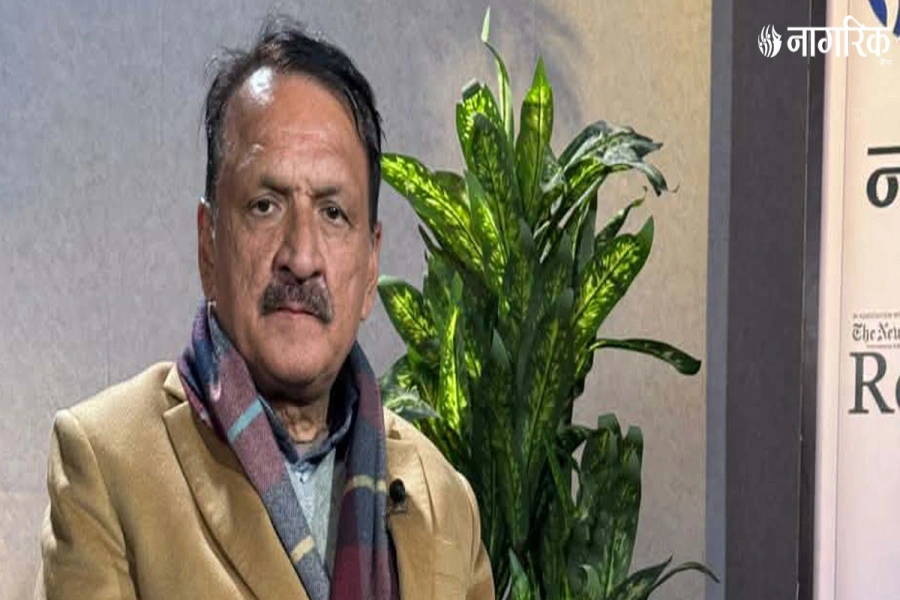
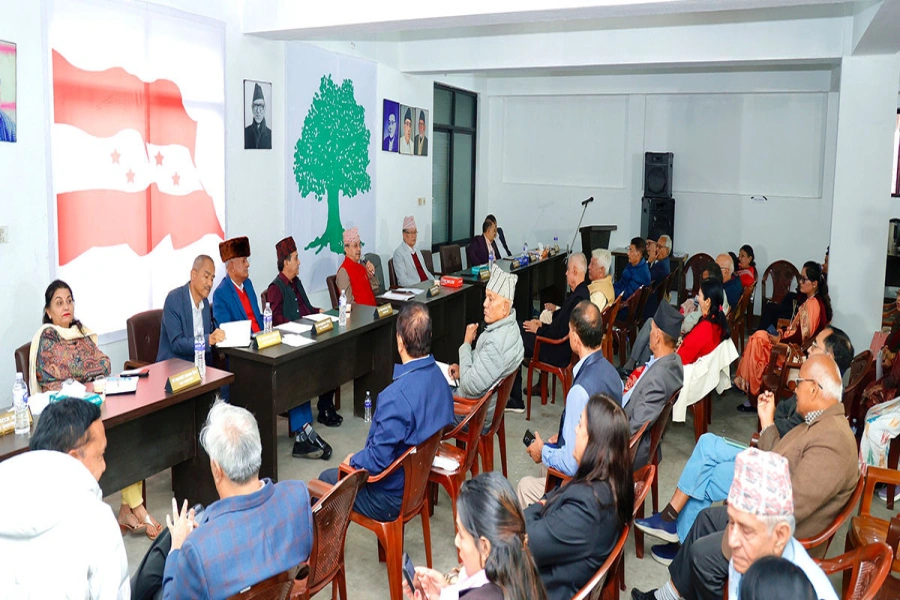
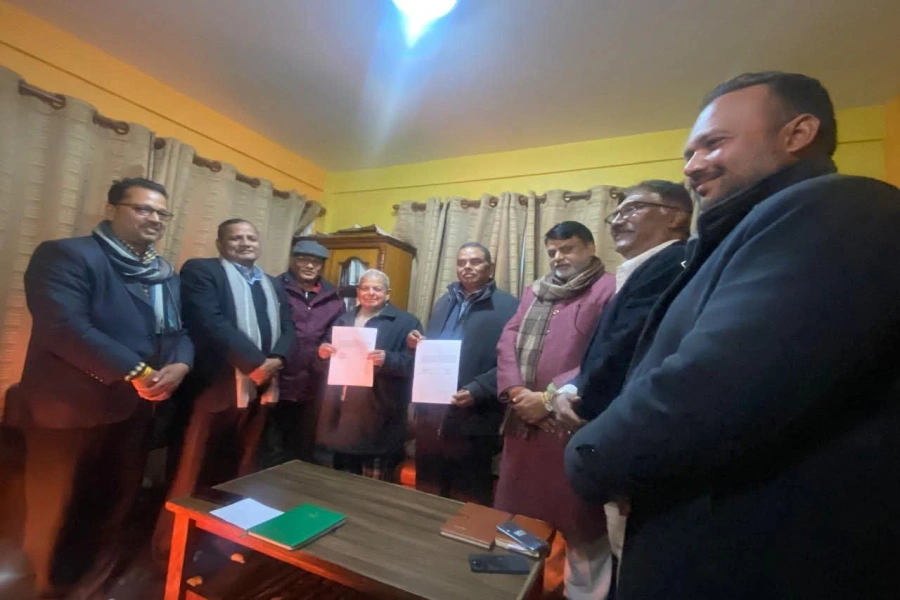
“There is widespread concern that the peace process and constitution writing will be in peril under the current political situation,” Nepal told reporters in Pokhara on Saturday. He also said the Maoists are behind the current sorry state of affairs and warned that the whole state mechanism would grind to a halt if the deadlock continues for more than a month.
According to him, the government has requested some civil society leaders to pressure the Maoists into quiting their stance and make them serious about the challenges the country is facing.
Nepal said he is hopeful that the attempt to end the political deadlock will pay off. He argued that the recent tea-party talks brought the political parties closer to a consensus, but then the political scenario changed suddenly like the weather. According to him, some “unseen forces” came into play and disrupted the progress being made. He termed the agitation launched by the Maoists as meaningless.
In another context, Nepal expressed grievance that the bureaucracy has not cooperated with his government. He said the working habit of the civil servants is not sound and he could not do many things on time due to this.
According to him, even work that could be done immediately takes months. “I want the work to be done in a week, in a couple of days or by tomorrow,” he said, “They say the work is being done, but when I inquire about it I find that it has not been completed even after a month.” He also expressed suspicion that the civil servants might not want to cooperate with him.
Nepal, who came to Pokhara on Friday for the third time since he became prime minister, also met local UML leaders and cadres
Related story
President Paudel expresses concern over parliament deadlock