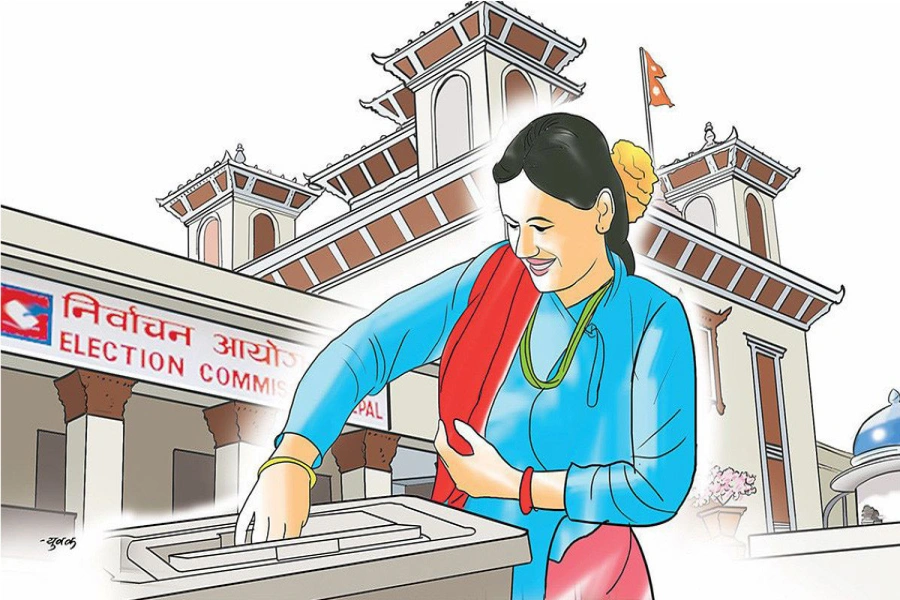
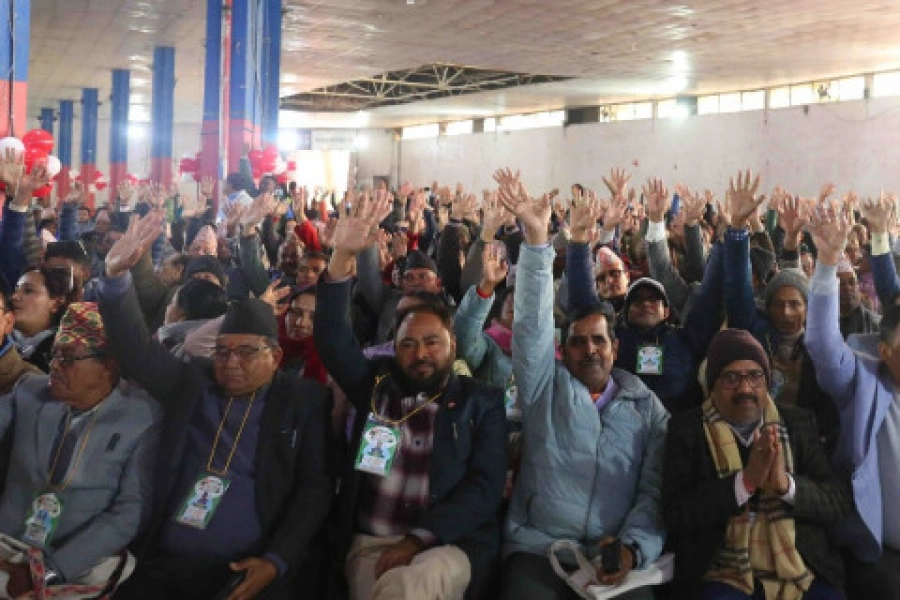
Student unions have traditionally been seen as the backbones of their affiliate mother parties. In the political sphere, the biyearly Free Student Union (FSU) polls are considered second only to general election in importance, and a bellwether of a party’s standing in the larger polity. Good outing in FSU election translates into billions of rupees for the political parties and their affiliate student unions, through the admission of under-qualified students and kickbacks in in-campus construction, to name a few avenues of unearned income. No wonder all big parties were hell-bent on securing a decent result on June 6, the proposed date for FSU polls, not least because whichever party emerged victorious would have the bragging rights ahead of the new CA polls. UCPN (Maoist), Nepali Congress and CPN-UML all pumped millions to admit ‘fake’ students and get their votes. In Kathmandu alone, nearly 2,000 students were enrolled by the student unions, often by bulldozing established admission criteria. The Mohan Baidya-affiliated student body, which seemed to be struggling to put together resources anywhere close to those amassed by the three more established unions, cried foul and started demanding that the ‘blatantly rigged’ FSU polls be cancelled. They just got their wish. [break]
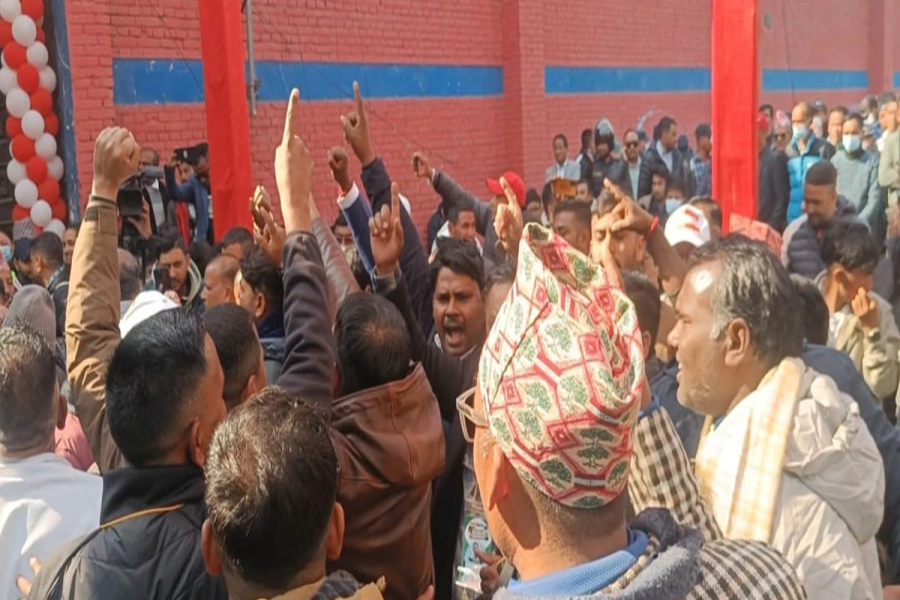
The Tribhuvan University has postponed FSU polls indefinitely as competing students failed to settle their disputes over fake admissions. While the UCPN (Maoist)-aligned ANNISU-R was in favor of allowing all admitted students to vote, NC-aligned NSU and UML-aligned ANNISU-R were demanding that ‘fake’ students be taken off the voter list. NSU and UML-aligned ANNISU-R clearly feared that the UPCN (Maoist)-aligned student union had been able to outspend them to tilt the electoral balance in its favor. The situation got so bad that rival student unions starting padlocking the colleges where they feared bad result. Eventually, the TU Executive Committee was forced into postponing FSU polls as most colleges had failed to meet vital election criteria like publication of voter list and distribution of nomination forms for candidates.
Rather strangely, the four major student unions agreed to postpone polls rather than resolve the dispute over admissions. TU will apparently announce a fresh date only when the major student unions iron out their differences. TU’s decision has not gone down well with the smaller student bodies that have padlocked colleges across the country in protest. Such a disastrous outcome does not bode well for the public institutions of higher education on which most of the country’s youth depend. The political parties have turned all public institutions into proxy battlegrounds. This kind of undue meddling from higher ups and growing influence of money in student politics comes at a great price. Elected student representatives look to capitalize on their ‘investment’ rather than work in the interest of genuine students. They have been a very disruptive presence in campuses where studies are routinely hindered by student unions to secure narrow political goals. Many are starting to question the relevance of student unions that don’t in any way contribute to academic excellence of students, as should be their goal, but are further spoiling the already bad study environment. Unless the student unions can redefine their role as true articulators of the needs of genuine students rather than as proxies of their mother parties, the shambolic events of the last few days leading up to the cancellation of FSU polls will continue to be repeated—at great cost to the image of student politics in Nepal.
Related story
Separate State Administration Bill to be introduced