Though country´s industrial output dropped by 1.50 percent in the first quarter, it had grown by 4.39 percent in the second quarter. [break]The Manufacturing Production Index (MPI), a key survey of the industrial output that the Central Bureau of Statistics (CBS) released on Friday, indicates that the key industries performed much better than what the private sector projected in public.
The CBS has attributed the output expansion to healthy growth seen in the production of rice, cigarette, and construction materials like cement, GI pipe and iron rod - which are the heavyweight of MPI.
For instance, production of iron rod and GI Pipe, which together occupy the largest weight of 11.71 percent in the MPI, grew by almost 11 percent during the quarter. Output of cement too rose by 20 percent, indicating that the construction sector witnessed a strong growth during the period.
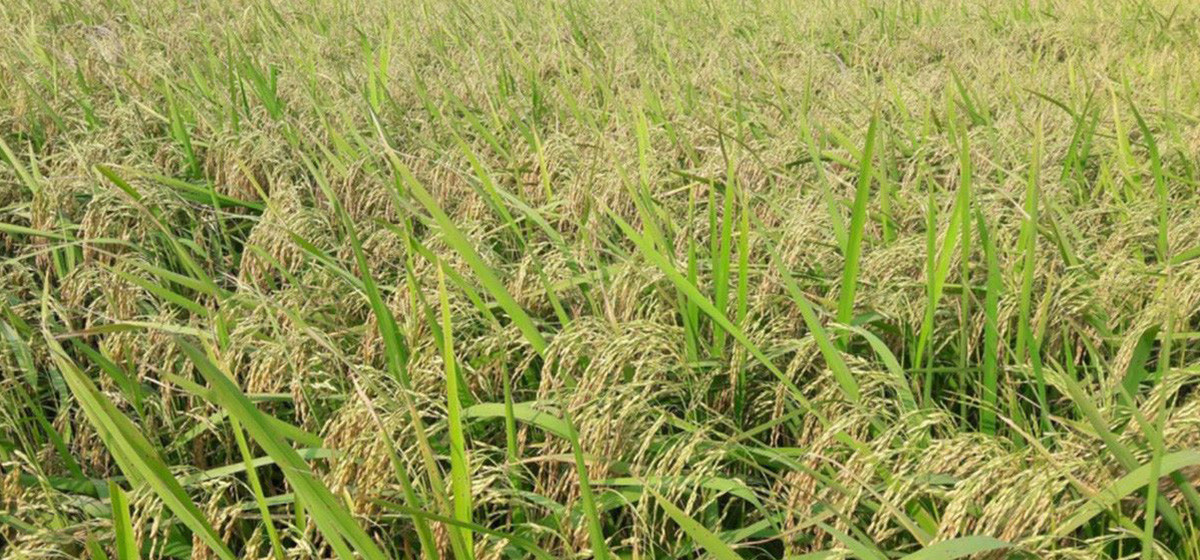
Similarly, production of rice, which weighs almost 8 percent in the MPI, grew by 8.55 percent, while output of cigarette that contributes 6.66 weight in the MPI expanded by 24 percent.
Of the major food products, output of bread, sugar and noodles grew at the rate of more than 50 percent, while chocolate´s production grew at nominal rate of 4.76 percent. Production of biscuits and processed tea -- the two crucial manufacturing industries known for their strong backward linkages -- on the other hand, dropped by almost 33 percent and 39 percent respectively.
According to the CBS, output of paint industry and pharmaceutical companies too expanded by more than two-third during the quarter, while beer and liquor continued to enjoy strong rise in demand and subsequent posted output growth of 81 percent and 54 percent respectively. The production of soft drinks too increased by 33 percent during the review period.
Propelled by the improved international demand, production of jute goods grew by almost 27 percent. However, output of woolen carpet and readymade garment - the two largest overseas export items of the country - declined by 17 percent and 18 percent respectively.
Traders attribute low demand for Nepali hand knotted woolen carpet and readymade garment for the dismal productions outlook of those industries.
The MPI figure indicates that the industries that largely relied on domestic consumption and enjoyed rise in demand in the local demand performed better during the quarter. Otherwise, barring jute goods, output of almost all major export-oriented industries has plummeted.
The country continued to perform badly on production of edible oil and vegetable ghee, which together weighs 9.62 percent in the MPI. The output of this group declined by 20 percent during the quarter, suggesting that the country´s dependence on imports of these items increased sharply during the period.
Related story
Oil dips as U.S. crude production hits record, Asia factory out...