After first round of talks at the local level last Friday failed to yield positive results, it was widely expected the meeting between the parties in dispute would be held at the central level in Kathmandu with Department of Labor playing the lead role. [break]
But since the government is keen on strengthening the role of local level committees in settling industrial unrest, it had decided to hold another round of meeting at the Labor Office in Hetauda.
The government has recently formed labor relation reform committees in local level as well, which is responsible for bringing all parties in the workplace dispute to the table for talks.
“Since these committees also comprise of officials or members of government, employers´ organization and trade unions, we are trying to mobilize these units in settling industrial disputes at local level, rather than the central committee intervening in the initial phase,” a reliable source of Ministry of Labor and Transport Management said.
“If the committee fails to achieve a breakthrough, we will mobilize the labor department to settle the dispute.”
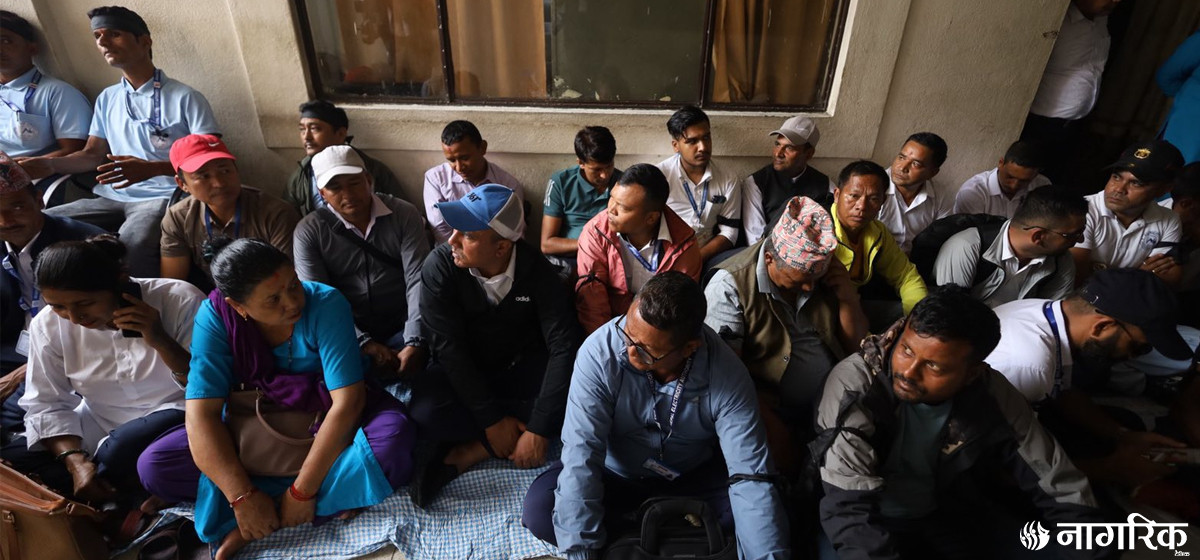
The Basamadi-based factory of Unilever Nepal has remained closed since last week after the workers launched a strike demanding 50 percent hike in salary and allowances, interest free housing loan of Rs 1 million per person and house maintenance fee of Rs 100,000 per person per year.
The Unilever management has said the demands were placed at a time when the total remuneration of staff was raised by 69 percent between 2009 and 2011, as against rise in company´s profit of 37.3 percent in the same period.
In order to avoid adding further financial liabilities, the management of Unilever, meanwhile, has sought the government´s permission to ´lock out´ it own unit. As per the Labor Act, the management of any company can padlock its units after getting approval from the government in case workers launch a strike without informing the management or talks led by Labor Office to settle disputes fail to yield results.
Once such application is approved, the management will not have to bear the burden of providing salaries and other benefits to workers during the period when units remain close.
But a source told Republica the government may not grant such permission as the protest was launched in a legal manner by placing demands in the first week of Nov. Since that time 21 rounds of talks have taken place between the management and workers.
Meanwhile, the Federation of Nepalese Chambers of Commerce and Industry has shown concerns about the closure of Unilever Nepal. In a press statement, the apex private sector body has said the ongoing strike by laborers would send a negative message, especially at a time when the private sector is working closely with government to promote investment in the country.
“The growing proclivity to shut down the multinational companies which are paying off comparatively better wages is going to drive away the foreign investment,” the press release says. The incident has raised doubts on drawing foreign investments in the Investment Year 2012/13 declared by government, the release says.
Related story
Unilever CEO Paul Polman in Nepal