


Saturday, 27 July 2024 05:47 AM

OR
Login using
Nepal-China trade fair kicks off at Korala
Published On: June 15, 2017 05:12 PM NPT By: Republica | @RepublicaNepal
MUSTANG, June 15: The Nepal-China inter-country trade fair has commenced from today at the Korala transit point on the Nepal-Tibet border.
Identity cards have been made mandatory for the Nepalis of the border region for participating in the 10-day trade fair. The Chinese and Nepali businessmen have already reached the border area with their merchandise.
The Chinese side allowed unrestricted entry to the Nepali traders from the border area to the trade fair until last year.
The Chinese and Nepali security officials held discussions at Dungwasen County, Tibet for the smooth operation of the trade fair. The area administration office, Chhoser, and the border police outpost, Lomangthang participated in the discussions from Nepal.
In the meeting, the Chinese side had said that it could not allow entry to the locals in the fair without identity cards. The Area Administration Office had issued temporary ID cards to locals of two rural municipalities.
Office Chief Jitendra Balami said that locals of bordering areas import daily essential goods as well as export different types of herbs at such inter-country trade fair organised twice in a year.
Nechung Customs Office at Korala check-point has now been brought into operation. Chief of Lomanthang rural municipality, Bista, said that import surpassed export at the trade fair. RSS
You May Like This
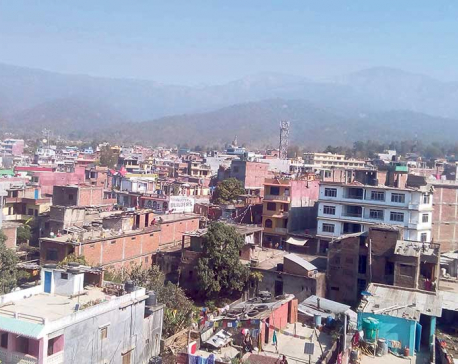
Province level trade, tourism and agro fair kicks off
SURKHET, Feb 10: The 'Province level Trade, Tourism and Agro Festival-2074' has kicked off in Province-6 temporary capital, Birendranagar, on... Read More...
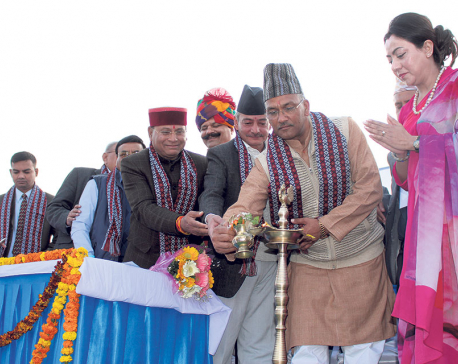
Nepal-India Trade Fair & Tourism Festival kicks off in Dehradun
KATHMANDU, Feb 5: The 2nd Nepal-India Trade Fair & Tourism Festival - 2018 started in Dehradun of India from Monday. ... Read More...

Ensuring Food Safety Amidst Challenges
21 hours ago
NRB unveils monetary policy
16 hours ago

NRB set to issue monetary policy today
18 hours ago
NEB to publish Grade 12 results next week
8 hours ago
NC defers its plan to join Koshi govt
9 hours ago
NRB to review microfinance loan interest rate
10 hours ago


Just In
- NRB to provide collateral-free loans to foreign employment seekers
- NEB to publish Grade 12 results next week
- Body handover begins; Relatives remain dissatisfied with insurance, compensation amount
- NC defers its plan to join Koshi govt
- NRB to review microfinance loan interest rate
- 134 dead in floods and landslides since onset of monsoon this year
- Mahakali Irrigation Project sees only 22 percent physical progress in 18 years
- Singapore now holds world's most powerful passport; Nepal stays at 98th
Leave A Comment