Speaking at the Reporters´ Club, Martin said there has been enough of public exchanges that have caused divisions among the different actors. [break] "Despite my respect for the Reporters´ Club, I think its time for discussions on army integration to take place behind closed doors in the (Army Integration) Special Committee rather than on your platform here," he said.
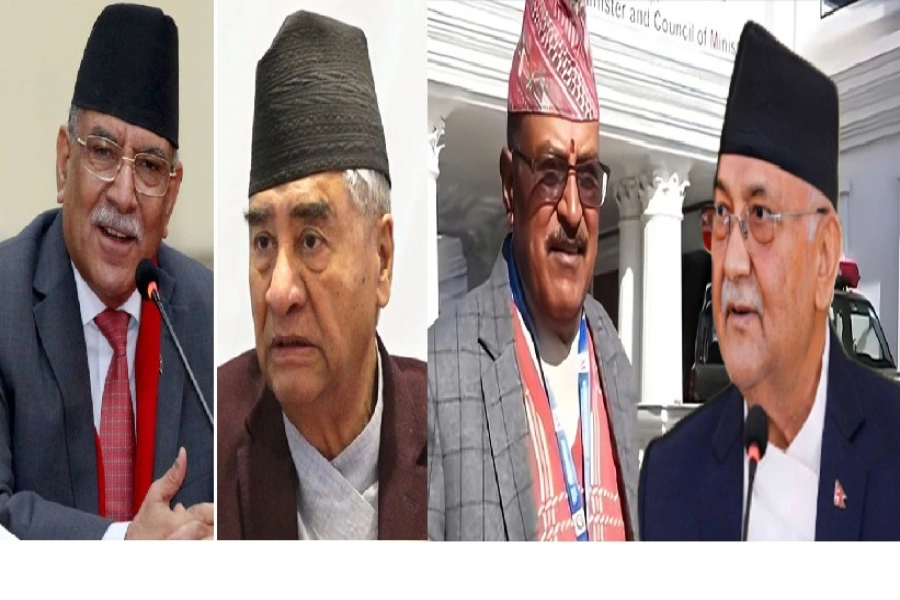
Over recent weeks and months, leaders of various political parties have been giving divergent views on how the army integration process should take place and how the 19,602 Maoist combatants should be managed. Leaders of almost all parties, but not the Unified Communist Party of Nepal (Maoist), suggest that the Maoist combatants should not be integrated into the Nepal Army (NA), while the Maoists want all their former fighters inducted into the national army.
On the issue of the ongoing recruitment drive by the NA, which UNMIN maintains is a breach of past agreements including the 2006 Comprehensive Peace Agreement, Martin admitted that there are some "disagreements" between UNMIN and the NA. "There is a disagreement over the interpretation of the agreements in relation to recruitment," said Martin.
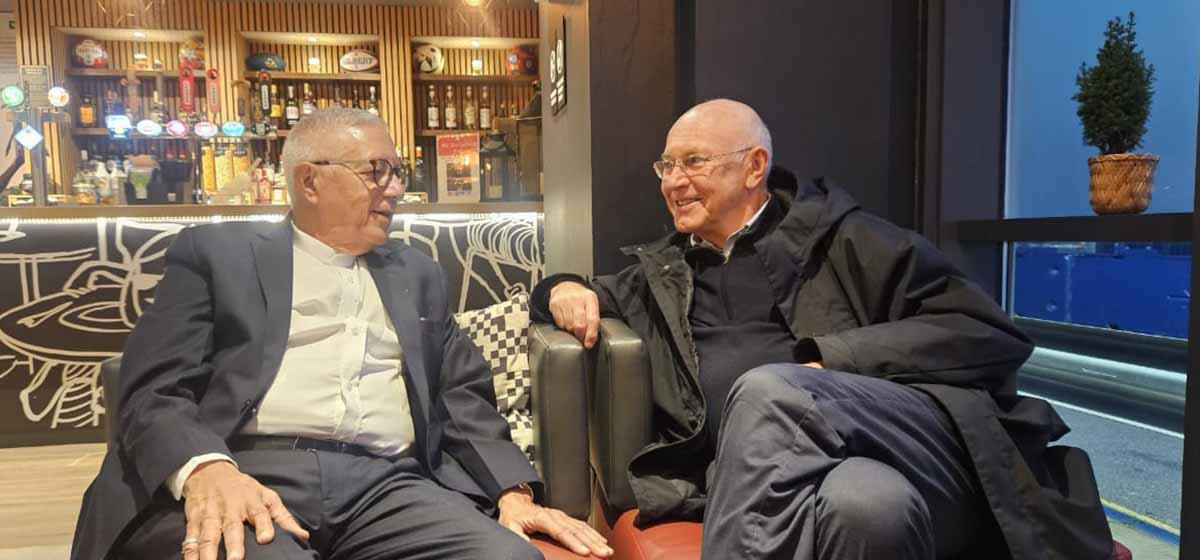
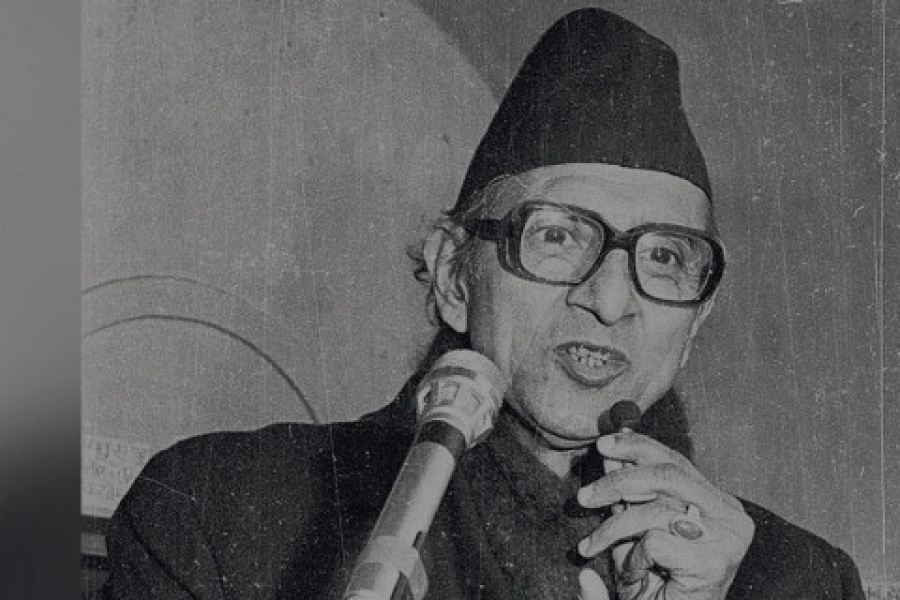
 Ian Martin
Dipesh Shrestha
Related story
Crime caper 'Only Murders' teams comedy vets Short, Martin with...

Otherwise, he said, UNMIN-NA relations were never sour. “Our relations continue to be extremely cooperative,” he said, adding that in general UNMIN’s cooperation with both armies on the ground continues to be very good.
Martin, who first arrived in Nepal as head of the UN human rights office in May 2005, headed UNMIN since its establishment in January 2007. He completes his term on Thursday. He told journalists that Nepal´s peace process has been “extraordinary” and it saw "dramatic changes" in a really short period of time. He said he is leaving “with a sense of satisfaction”.
He, however, warned that there are big challenges ahead – especially in deciding the future of the two armies and in reaching consensus on a federal constitution at a time when people have different views about what federalism should mean in Nepal. He expressed happiness over discussion on the new constitution getting underway. “But, I don´t suppose it will be easy,” he said. “It is particularly important that future politics is conducted within the peaceful democratic framework.”
He warned of other challenges: ending the culture of violence and impunity. “One change that I would like to see in Nepal is the change from the culture of disruption and violence as the first resort when one group or another are pressing their demands,” said Martin. “That needs to change to a culture where demands are made within the legitimate Constituent Assembly… It will be hard for political consensus to be reached unless people act in the spirit of democracy.”
He warned that there won’t be full security in Nepal as long as a culture of impunity prevails, and expressed dissatisfaction that none of the major human rights crimes – either during the armed conflict or after the end of the conflict – has been effectively prosecuted. “Commitments to end impunity need to change into a real commitment by all political parties to support the justice system,” he said.