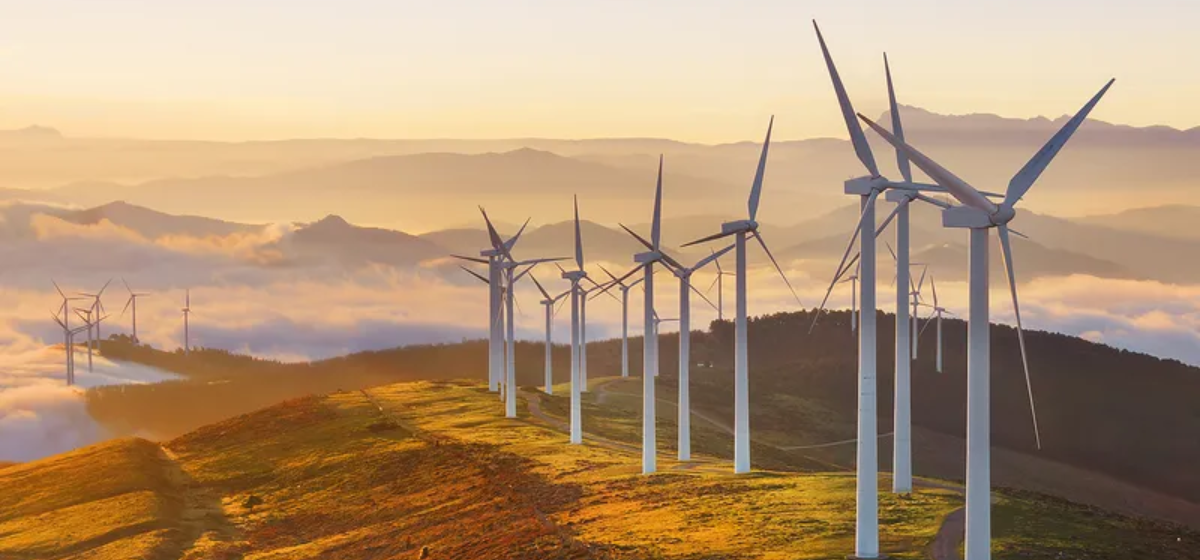
KATHMANDU, July 31: Most countries appear to be falling short of the global target to triple renewable energy capacity by the end of this decade.
At the United Nations Climate Conference (COP28) held in Dubai in 2023, 130 countries committed to tripling their renewable energy capacity by 2030.
However, according to a study by climate think tank Ember, only 22 countries have increased their renewable energy ambitions since then—most of them being EU member states.
This slow progress poses a serious threat to the global goal of limiting temperature rise to 1.5°C, with the world remaining heavily dependent on fossil fuels.
Dugar Power and Tata Power Renewable Energy join hand to boost...

The study found that since COP28, national renewable energy targets have increased globally by just 2 percent. To meet the UN’s target of tripling renewable energy by 2030, the world must reach a total capacity of 11 terawatts. However, current progress remains far from that path.
“Tripling renewable energy capacity by 2030 is the most significant action of this decade to stay on track for 1.5°C,” the report states.
Although this target was set during COP28, most countries have left their national targets unchanged—and far below what is necessary.
Apart from the EU, only seven other countries have updated their renewable energy goals since signing the agreement.
Major countries falling behind include the United States, China, and Russia—all of which are among the world's largest energy consumers and together account for nearly half of the world’s annual carbon emissions. The report notes that the U.S. and Russia have no renewable energy targets set for 2030, nor are their political leaders expected to adopt any.
China is preparing to finalize its 15th Five-Year Plan, which will cover the period from 2026 to 2030 and is expected to prioritize renewable energy.
India has kept its clean energy targets unchanged. However, its ambition to install 500 GW of renewable energy by 2030 aligns with the global tripling goal, the report notes.
Vietnam has shown the highest ambition post-COP28, pledging to increase its renewable energy capacity by 86 GW by the end of the decade.
Similarly, Australia and Brazil have committed to increasing their domestic renewable energy capacities by 18 GW and 15 GW, respectively.
The UK updated its renewable energy plan last year, aiming to add 7 GW by 2030 and build an almost carbon-free electricity system. South Korea is also expected to increase its renewable capacity by 9 GW by 2030.
(Adapted from The Guardian)