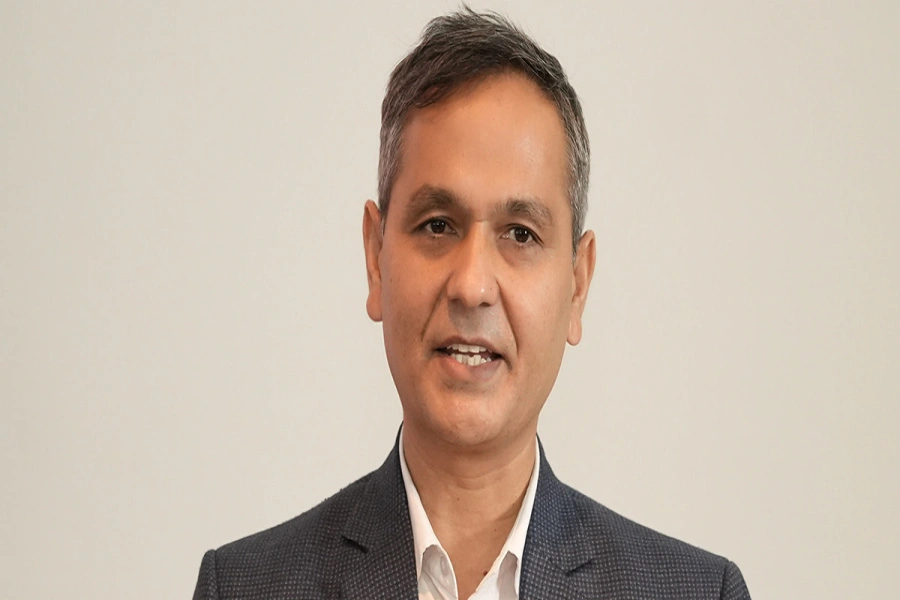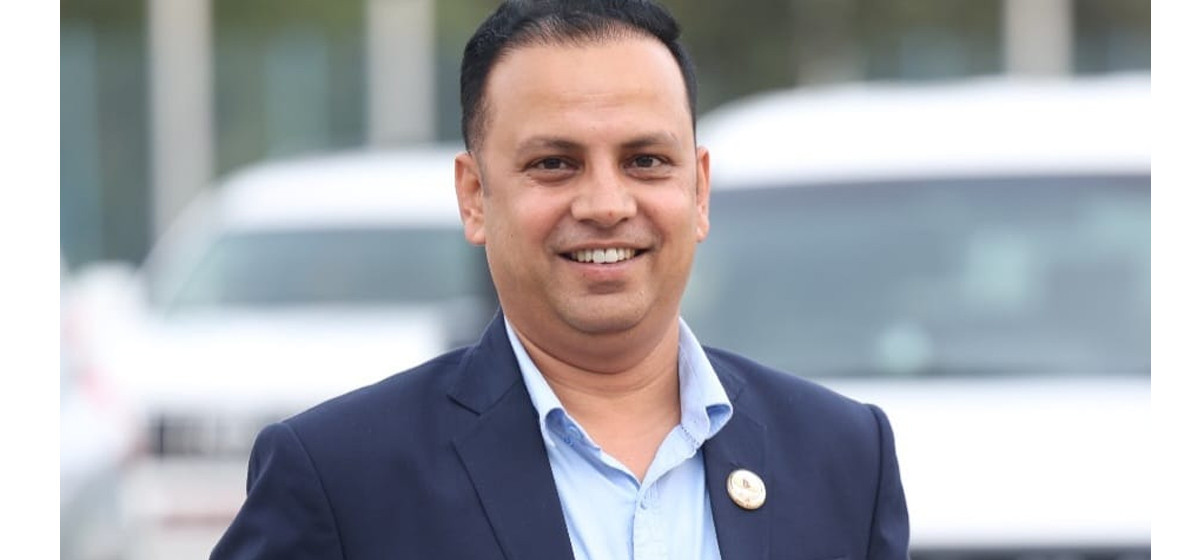
KATHMANDU, July 19: Rastriya Swatantra Party (RSP) lawmaker Manish Jha has stirred political debate once again, this time by reiterating his party’s bold vision to streamline Nepal’s federal structure — starting with the abolition of provincial assemblies.
Speaking at a program in the capital on Saturday, Jha said RSP’s policy does not seek to eliminate provinces altogether but to reinvent their function. “The provinces will remain, but we want to abolish the provincial assemblies,” he said. “Instead, representatives from local levels will carry out legislative functions, making the system more efficient and accountable.”
The idea, according to Jha, is to bridge the gap between provincial and local governance, cutting duplication and improving coordination. “When local representatives take part in law-making at the provincial level, the connection between the two tiers will be stronger and more productive,” he added.
Govt plans to leave fixing provincial capitals for provincial a...

This proposal comes as part of a broader effort by the RSP to reshape Nepal’s political machinery. The party has already announced plans to cut the number of federal ministries from 21 to 15, aiming to curb bureaucratic inflation and reduce redundancy.
Jha also pointed to what he called an “overgrown forest” of constitutional and administrative bodies, many of which he believes no longer serve their original purpose. “There are 112 commissions and entities formed over different periods. They still operate with office bearers, staff, and expenses, but their work is negligible,” he said. “By scrapping these bodies, we could save the country Rs 2 to 4 billion annually.”
In his remarks, Jha didn’t shy away from political criticism either. He accused leaders of the Nepali Congress and CPN-UML of being stuck in outdated politics, lacking a clear roadmap or vision. “They have no plan, no ideology, no strategy,” he said. “All they do is respond to what RSP is doing.”
RSP, a relatively new player in Nepali politics, has often positioned itself as a reformist force — challenging conventional governance models and pushing for lean, accountable state structures. Whether its proposals will gain traction in Parliament or face stiff resistance remains to be seen. But for now, Jha and his party are making it clear: business-as-usual is no longer acceptable.