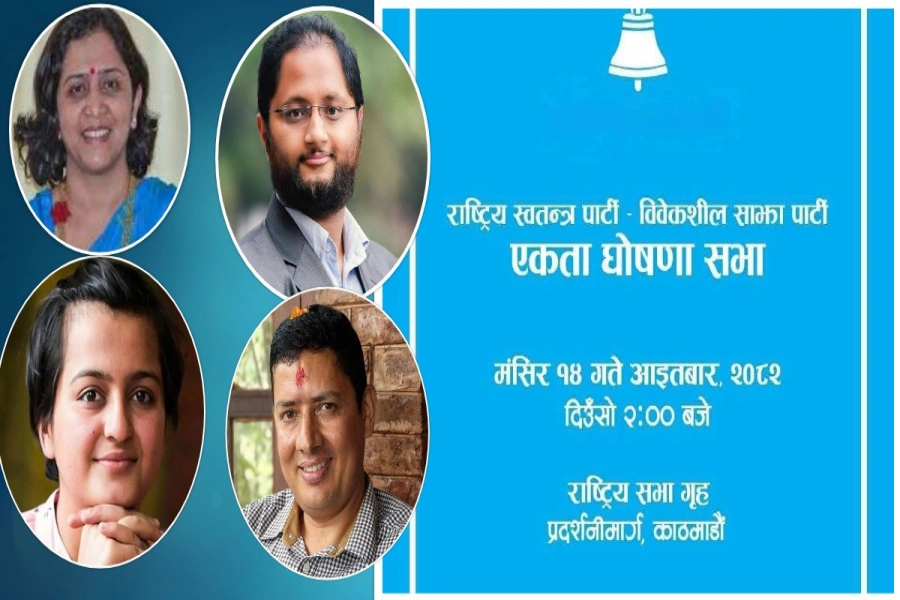
KATHMANDU, Nov 30: As Bibeksheel Sajha Party and Rastriya Swatantra Party (RSP) prepare for their formal merger today a section of leaders within both the parties have publicly distanced themselves from the unification process, casting a shadow over the new alliance’s future.
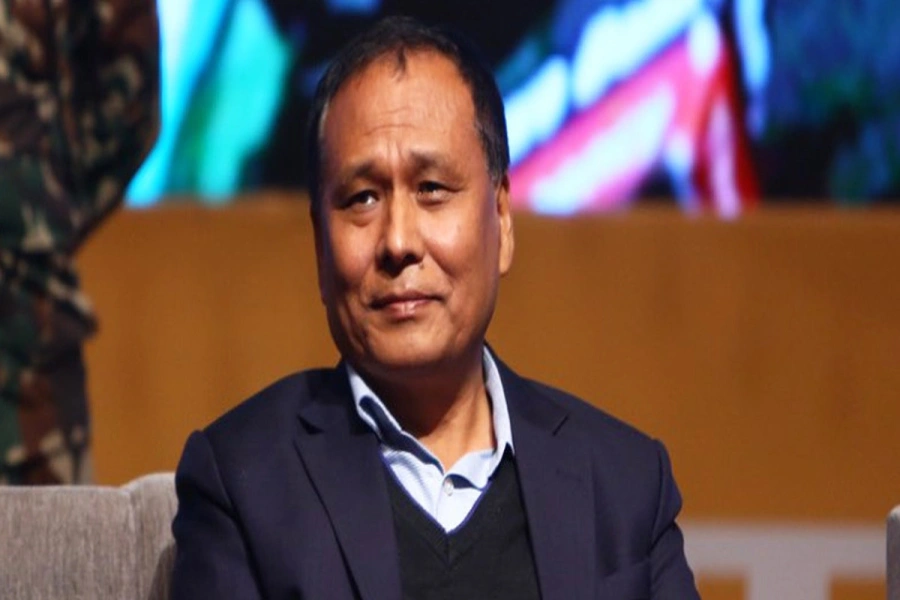
Former President of the Bibeksheel Sajha Party Milan Pandey, a key figure in the Bibeksheel movement, announced that he would neither support nor oppose the merger, opting to remain neutral in the face of the decision.
“I am not part of this merger,” he said, emphasizing his belief that past attempts at unity had failed due to a lack of solid political foundations. Pandey hinted that he would take some time off to reassess the situation, but expressed his intention to continue championing the original Bibeksheel mission. “I wish my colleagues joining the RSP all the best,” he added. “But for me, this is not the right path. I believe we must move forward with our core ideals and build a political force with genuine conviction.”
Way to solve India-Nepal border dispute

Pandey’s decision reflects a growing undercurrent of dissatisfaction within the Bibeksheel Sajha Party, as several key figures have raised concerns about the ideological clarity and internal discord within the RSP.
Pandey is not alone in his reservations—former parliamentary party leader Ramesh Paudyal also announced he would not be participating in the unification, calling it a “personal choice” and reiterating that he would not be attending today’s event. “It’s important that every member has the right to make their own decision,” Paudyal said, wishing the RSP entrants well while making clear that his vision no longer aligned with the party’s current trajectory.
While the merger is hailed by party leaders like Bibeksheel chair Sumina Baskota and general secretary Ranju Darshana as a necessary step to consolidate alternative political forces and challenge the dominance of traditional parties, the decision has been met with significant internal resistance.
Baskota herself has stressed that the merger is not about personal ambitions but rather about documenting Bibeksheel’s 12-year legacy and building a stronger political force. She framed the unification as essential for creating a cohesive alternative to the entrenched political system and addressing Nepal’s pressing need for good governance.
However, dissenting voices from within the party suggest that the RSP’s vision remains unclear and fraught with internal conflicts. One central member, who chose to remain anonymous, expressed concerns over the lack of ideological coherence within the RSP and the growing internal tensions that threaten to derail the unity effort. “If this is simply about winning elections, then why not join the Congress or UML?” the member said, suggesting that unification should be about more than just electoral gains.


-1781882999.webp)