


KATHMANDU, Oct 17: A widening rift between the Sushila Karki-led interim government and major political parties has cast uncertainty over the fate of the House of Representatives election scheduled for March 5, 2026.
Political parties have increasingly expressed doubts about the government’s intentions and its commitment to holding the polls on time.
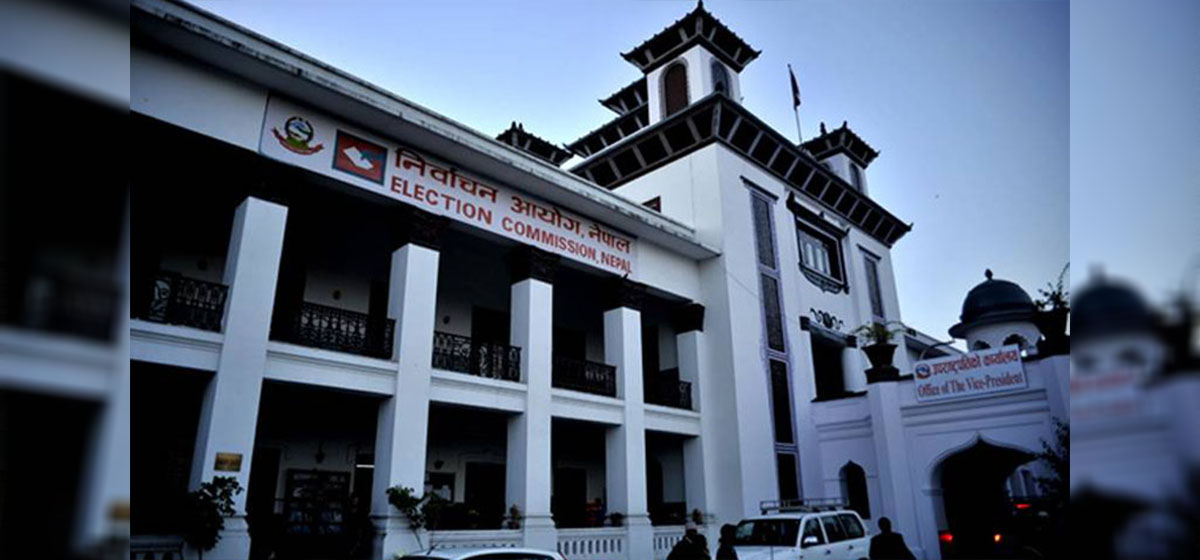
The Election Commission (EC) on Thursday held a meeting with leaders of major parties, which instead exposed growing mistrust. Party representatives criticized the EC’s “unilateral decision” to direct all political parties to register between November 17 and 26—breaking, they said, the democratic tradition of consulting stakeholders before taking such decisions.
Power tussle deepens within ruling left parties

During the meeting, leaders questioned both the government’s and the EC’s seriousness about preparing for the election. “The actions of the government and the Election Commission do not suggest genuine readiness for elections,” Nepali Congress senior leader Min Bishwokarma told Republica after the meeting. “Under normal circumstances, we wouldn’t doubt the government’s role. But given the current political volatility, we expected the government to brief us on its efforts to restore peace and security.”
Bishwokarma added that the government’s silence on key security issues has further eroded confidence. “The government claims it will conduct free and peaceful elections, but how is that possible when it has failed to act against those who torched police stations and vandalized public property?” he asked. He also pointed to the continued presence of stolen weapons and escaped inmates in rural areas as signs of a deteriorating law and order situation.
He further alleged that the government’s actions against political leaders and activists indicate an intent for “political retribution” rather than preparations for credible elections.
Echoing similar concerns, CPN (Maoist Centre) senior leader Dev Gurung said his party remains committed to participating in the election but questioned whether the government is capable of ensuring an impartial environment. “Elections must be held—we are ready to participate,” Gurung said. “But there is growing doubt about whether the government can guarantee an independent and credible process. Its actions so far seem motivated more by political vengeance than fairness.”
According to party leaders, frustration has also been mounting due to Prime Minister Karki’s reluctance to hold direct talks with established political figures. “The prime minister appears uncomfortable meeting political party leaders,” a senior leader told Republica, quoting a close aide to Karki who reportedly said, “I can’t really meet with the leaders of the political parties. The Gen Zs would be very disappointed if I did so.”
PM Karki, who assumed office following the Gen Z protests of September 8–9, had recommended the dissolution of the House of Representatives—one of her key conditions for accepting the premiership.
Earlier this week, Karki requested President Ram Chandra Paudel to convene an all-party meeting, which was held on October 11 with her participation. However, critics argue that since the president’s role is largely ceremonial, the meeting highlighted the prime minister’s unwillingness to personally lead political dialogue.
Meanwhile, Home Minister Om Prakash Aryal defended the government, insisting it is both confident and capable of conducting the election as planned. “There are certain elements actively trying to disrupt the election environment,” Aryal said. “The government will first seek explanations from them, and if they fail to respond appropriately, necessary action will be taken.”









-1782782519.webp)


