Unveiling the 'Current Macroeconomic and Financial Situation of Nepal Based on Six Months Data for current fiscal year' today, the central bank said that inflation as measured on the Consumer Price Index (CPI) jumped to 12.1 percent in mid-January. The inflation was 6.8 percent in the corresponding period of the last fiscal year 2014/15.
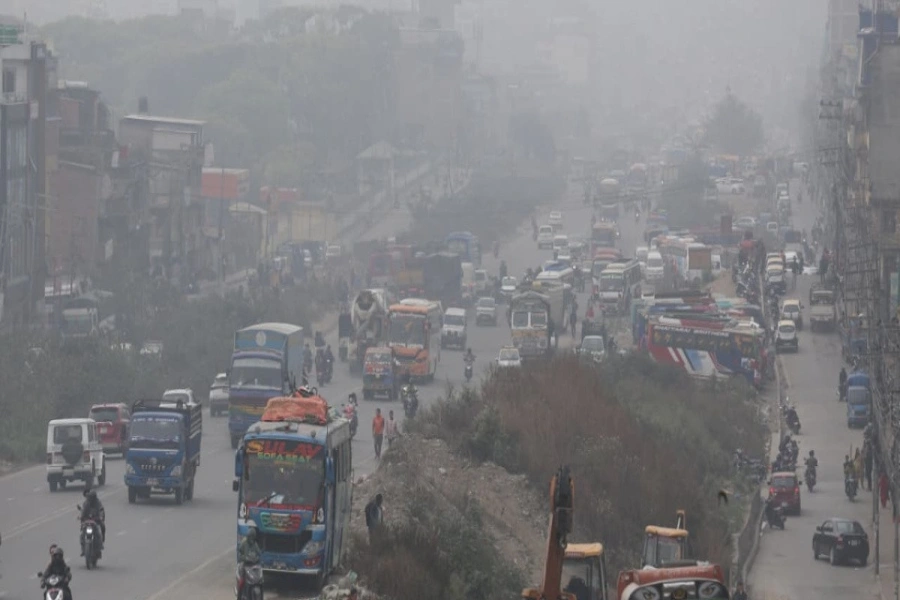
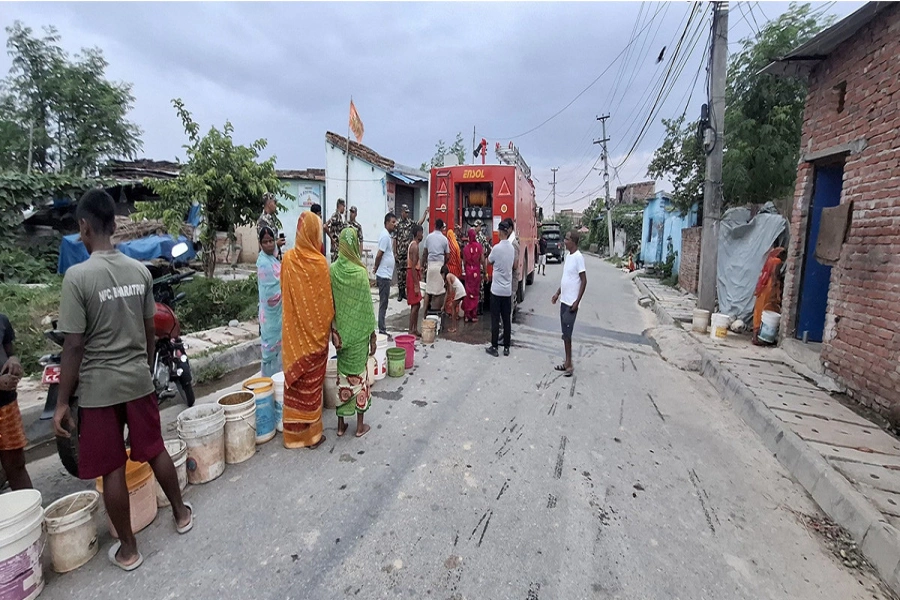
The rise in the prices of essential items due to the supply disruption caused by the Tarai unrest and India’s unofficial blockade has posed a challenge to the central bank which had vowed to contain inflation below double digits this year. NRB’s efforts to control inflation through monetary instruments could not succeed.
According to the central bank, the price rise is mainly due to the prolonged strikes in the Terai region and the subsequent economic blockade imposed by India since mid-September. Disruption in the supplies in the wake of Tarai turmoil and unofficial economic blockade by India have driven up the prices of various food and non-food items.
Two months ago, the central bank had even warned that the prolonged crisis could lead to stagflation due to slowdown in economic growth and rising prices. However, the NRB has expressed optimism for the country’s economic outlook in the days to come with the strikes in the Tarai and unofficial economic blockade coming to an end.
"It is predicted that the economic growth will take a positive direction in the days to come as the supply disruptions at southern customs points have been easing gradually," reads the periodic situation analysis of the central bank. The normalization of the trade movement in the Tarai will also reduce the inflationary pressure that has been felt since mid-August last year, the report added.
Related story
Revised interest rate corridor system introduced