KATHMANDU, Oct 31: The Gen Z uprising reshaped Nepal’s politics in ways few could have imagined. What began as a gathering of young people demanding an end to corruption, nepotism and unaccountable governance became a force strong enough to topple the government led by KP Sharma Oli. For a moment, it appeared Nepal had entered a new political era—one shaped by a generation that is informed, globally aware and digitally empowered. Yet, it now seems this movement, born of genuine youthful idealism, has lost direction amid allegations of infiltration by groups with hidden agendas.
Gen Z activists deserve recognition for shaking a complacent political establishment. Their online coordination, fearless protests and moral conviction inspired a frustrated public. However, the movement’s spontaneity and fragmented nature prevented it from achieving its larger goals. Without a unified leadership or coherent vision, it became vulnerable to penetration by opportunists. Individuals with criminal backgrounds and disruptive intent reportedly participated, turning a peaceful reform movement into violent confrontations and chaos.
Evidence has surfaced suggesting that various factions—including supporters of Durga Prasai, royalists, pro-Tibetan activists, and even Maoist networks—attempted to exploit the movement for their own interests. Although the Nepal Army chief later engaged with Prasai and Rastriya Swatantra Party figures, Gen Z activists themselves rejected both as stakeholders. Still, the damage was done. Twenty-two young lives were lost during the protests—an avoidable tragedy had extremist provocateurs not incited violence.
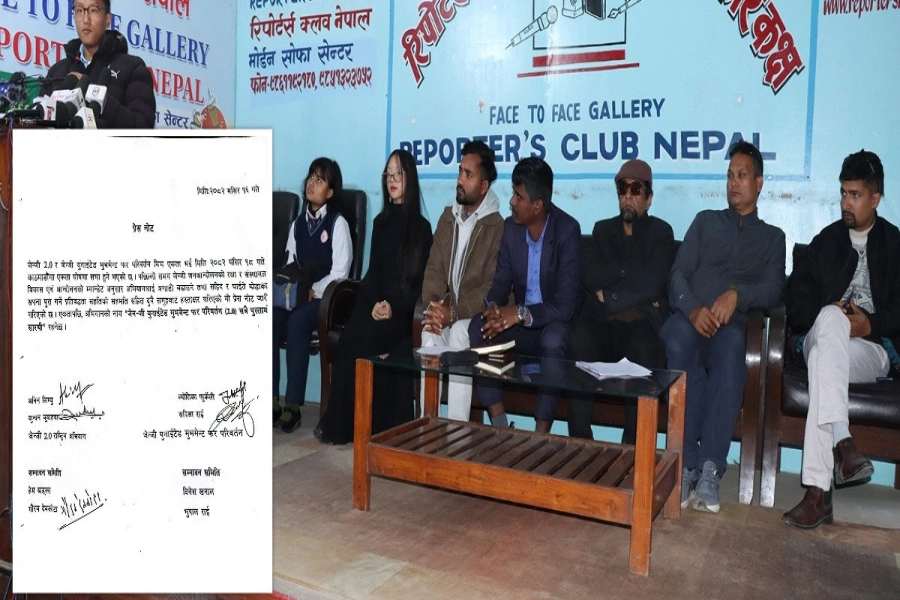
Gen Z 2.0 and Gen Z United Movement for Change announce merger
What began as a moral crusade for accountability devolved into arson and vandalism. Protesters were linked to attacks on Singh Durbar, the Supreme Court, the President’s Office, ministry buildings, five-star hotels and private property—acts experts say bore the marks of trained arsonists. These incidents shattered public sympathy and tarnished the movement’s legitimacy. While the youths succeeded in unseating a prime minister, their inability to convert momentum into constructive leadership created a vacuum quickly filled by vested interests.
Kathmandu Mayor Balen Shah’s ambiguous role further complicated matters. Considered a prominent figure among young reformists, he avoided assuming visible leadership at the movement's peak. Instead, he operated behind the scenes during the government's formation and exerted pressure on Prime Minister Sushila Karki and Home Minister Aryal, raising questions about influence without responsibility. His silence when leadership was most needed exposed hesitation rather than conviction.
When the Oli government fell, Nepal faced a historic opening. Yet Gen Z forces fragmented into competing factions—some seeking media visibility, others forming pressure groups, and many gravitating around individual leaders. Genuine reformists found themselves overshadowed by well-funded actors with political motives.
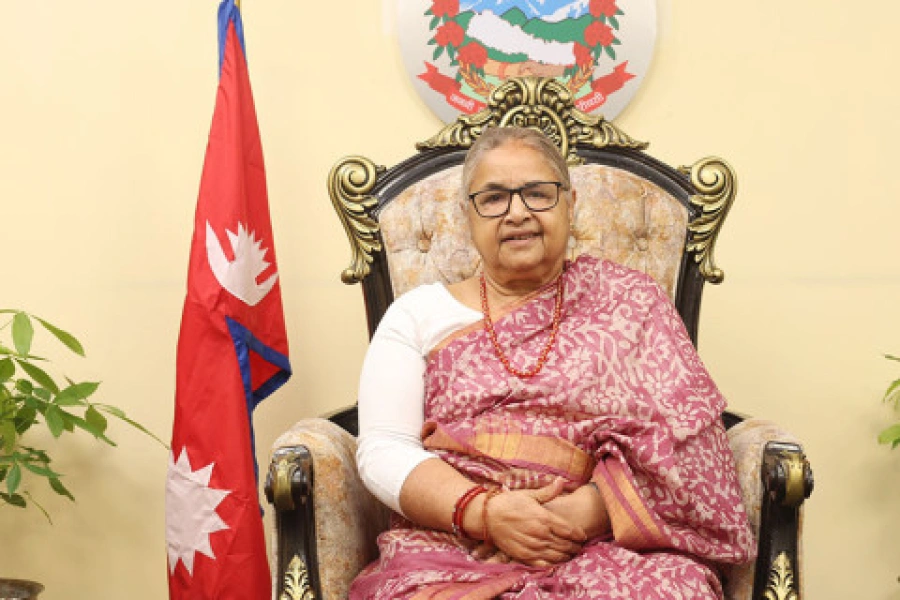
Prime Minister Karki now faces pressure from disparate Gen Z groups while maintaining law and order and ensuring the High-Level Probe Committee led by Gauri Bahadur Karki can investigate violence, infiltration and coordination behind the September unrest. The government must focus on governance and preparing for the March 5 elections. Succumbing to pressure from powerful networks risks repeating Nepal’s cycle of instability and unfulfilled promises.
The Gen Z movement’s struggle to produce credible leadership underscores a deeper lesson: protest alone is not enough. Meaningful change requires sustained engagement, political maturity and willingness to endure beyond the streets. Balen and others still face this test. If Gen Z truly wants to reshape Nepal, it must distance itself from external manipulators and embrace structured political participation. Otherwise, the movement may be remembered not as a turning point but as another missed opportunity in Nepal’s long history of broken hopes.