The communist government led by KP Sharma Oli tried to replicate the Tiananmen Square episode to crush the protest organized by Gen Z against corruption and governance dominated by septuagenarian leaders on September 8, 2025, in Kathmandu. But it failed badly. Nineteen promising youth protesters were killed by indiscriminate firing from the security forces, which added fuel to the fire, igniting anger among the youths, their parents, and ordinary citizens. The following day, people came into the streets in unison to show solidarity with Gen Z’s agitation.
Since the demonstration was not led by any specific group or leader, it quickly turned into a mass movement with the participation of discontented individuals and groups. On September 9, the crowd was infiltrated by unwanted and irresponsible elements—criminals, jail-breakers, and opportunists—who went berserk. They broke law and order, set fire to Singha Durbar (the seat of government), the Health Ministry, the Supreme Court, the Parliament Building (Birendra International Convention Center), the Presidential Palace (Shital Niwas), and police stations, booths, and offices that came in their path. Protesters also burned the private homes of ministers, including the residences of sitting Prime Minister KP Sharma Oli and former Prime Ministers Sher Bahadur Deuba and Pushpa Kamal Dahal. The news spread at lightning speed throughout the country, triggering chaos of the same pattern nationwide, with public anger pouring into attacks on state and private properties.
Nepal has become the third South Asian country in four years to see its elected government toppled by violent protests led mostly by discontented youths—after Sri Lanka in 2022, which forced its president to flee, and Bangladesh, where similar protests drove out the prime minister. But unlike the month-long movements in those countries, Nepal’s uprising brought down the government in just two days. It may be the shortest demonstration in political history to topple a government within hours of its beginning, underscoring the power of the youth. Nepal’s fragility under populist leadership was exposed, compounded by misgovernance and sluggish economic growth that further fueled youth anger.
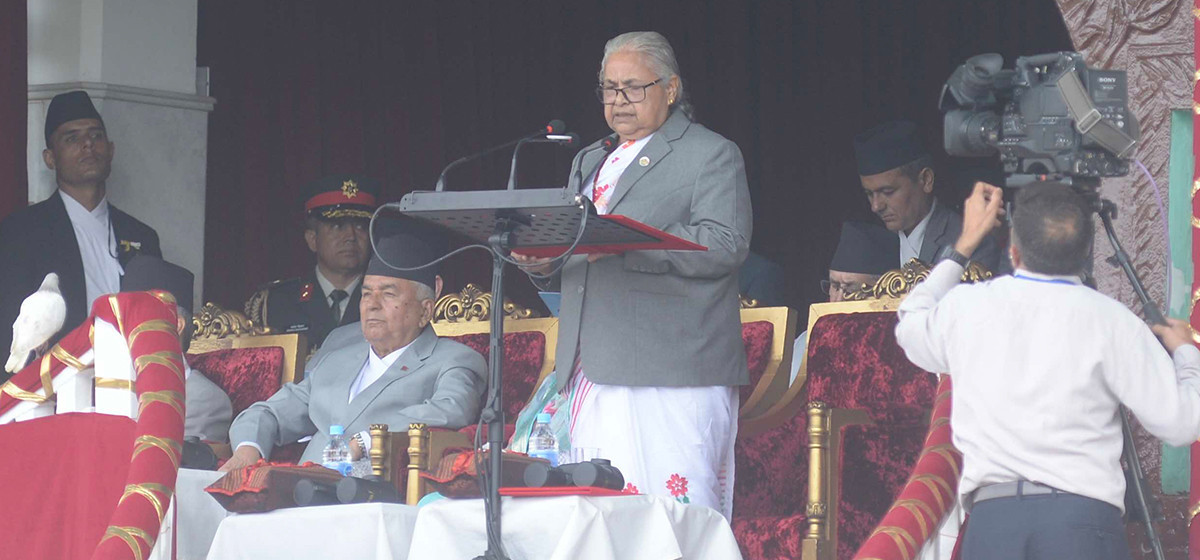
Gen-Z protest reflects discontent over corruption: PM Karki
Parallels can be drawn between these revolts: they erupted in the same region, for the same reasons—anger against ruling elites for corruption, protectionism, nepotism, misuse of state resources, misgovernance, and impunity for cronies. The event also occurred at a time when unemployment in Nepal was high, resentment was rising, and nearly one-third of the GDP came from remittances. Frustrated youth saw no employment opportunities at home and were compelled to take up menial jobs abroad.
At the same time, a new class of elites and their “nepo-babies” flaunted extravagant lifestyles—holidays on exotic beaches, designer clothes, luxury watches, and handbags—without any professional earning base.
Since Nepal’s proclamation as a federal republic, high political offices have rotated among septuagenarian and octogenarian leaders—two from the communist camp, KP Oli and Pushpa Kamal Dahal, and one centrist, Sher Bahadur Deuba. They have repeatedly broken and made alliances, trading power among themselves and controlling state resources. A culture of impunity has flourished. For instance, just last month, a minister’s car struck a 13-year-old girl in Lalitpur. Though she survived, the driver fled without stopping. Instead of punishing the minister, the prime minister dismissed the incident as normal—an irresponsible response that shocked the public.
Inside and outside political parties, there have been calls to hand leadership over to the next generation. But whether the second generation of leaders—mostly baby boomers—will be open, accountable, and clean remains doubtful. The last generation of revolutionaries has already tainted the younger ones by teaching them manipulation, legal and illegal networking, and abuse of power. Corruption has seeped even to the grassroots, where community-level users’ groups share commissions from small contracts. Expectations are now high from Gen Z, if they can resist this system and handle leadership differently.
The new government, backed by Gen Z and political parties, is mandated to hold elections for the House of Representatives. But fears remain: the electoral system is structured to favor the old ruling parties, raising the likelihood of yet another hung parliament dominated by the same old faces—unless parties reform themselves. Instead of cosmetic remedies, Nepal’s system needs surgery. Hope persists, however, as long as the fire within Gen Z for real change continues to burn. A constitutional amendment may be the only way to truly heal the system and the wounds of the people.
The author is a retired diplomat.